Dry socket is one of the most common post-extraction complications, affecting roughly 2 to 5 percent of routine extractions and up to 30 percent of wisdom tooth removals. If you or a family member had a tooth pulled recently and the recovery does not feel like it is going the right direction, you are not alone in wondering whether this is still normal.
At Dentist of Torrance, patients frequently call in the days after an extraction to describe exactly this kind of escalating discomfort, and the team is used to talking through what to watch for and when to come in.
Keep reading to find out how to tell normal healing pain from dry socket symptoms, what the site actually looks like, how a dentist treats it, and what you can do to lower your risk. The answers are straightforward, and knowing them early can save you a lot of unnecessary worry, or get you the relief you need faster.
How to Tell if This Is Dry Socket or Normal Healing
The difference between normal soreness and dry socket usually comes down to direction: is the pain improving day by day, or getting worse?
When Pain After Removal Is Expected
Right after a tooth extraction, your body starts building a blood clot inside the empty socket. That clot is the foundation for healing. Some throbbing, jaw stiffness, and swelling in the first 24 to 48 hours is your immune system doing its job. Over-the-counter pain relievers usually manage it well, and most patients notice steady improvement by day two or three.
The area may look dark red or even a bit purplish from the clot. That is healthy. A little bleeding, mild swelling, and localized soreness all fall well within the range of a normal post-extraction experience.
Warning Signs That Point to a Healing Problem
With a dry socket, also called alveolar osteitis, the blood clot either dissolves or dislodges before the socket heals. Without that clot, the bone and nerve endings sit exposed to air, food, and bacteria. The pain that follows is distinctly different from typical post-extraction soreness.
Watch for these warning signs between days two and five after your extraction:
Pain that is getting worse, not better, with each passing day
A sharp, radiating ache that travels toward your ear, temple, or neck
A noticeable bad taste or foul odor in your mouth that brushing does not fix
Visible bone inside the socket when you look in a mirror under good light
Pain that does not respond to ibuprofen or acetaminophen the way it should
If two or more of these apply to you, do not wait it out. That combination is a reliable signal that something has gone wrong with the healing process.
Why Pain Often Peaks a Few Days Later
This is the part that catches many patients off guard. With normal healing, pain drops steadily. With dry socket, it often feels manageable on day one and then spikes dramatically on day three or four. That timing occurs because the clot was not fully stable from the start, or because something dislodged it within the first 48 hours without you realizing it.
By day three or four, the unprotected nerve is fully exposed and reactive. Even breathing through your mouth or sipping cool water can trigger a sharp response. Understanding that timing helps explain why patients often call a dentist several days after the extraction rather than the day of.
What Dry Socket Looks and Feels Like
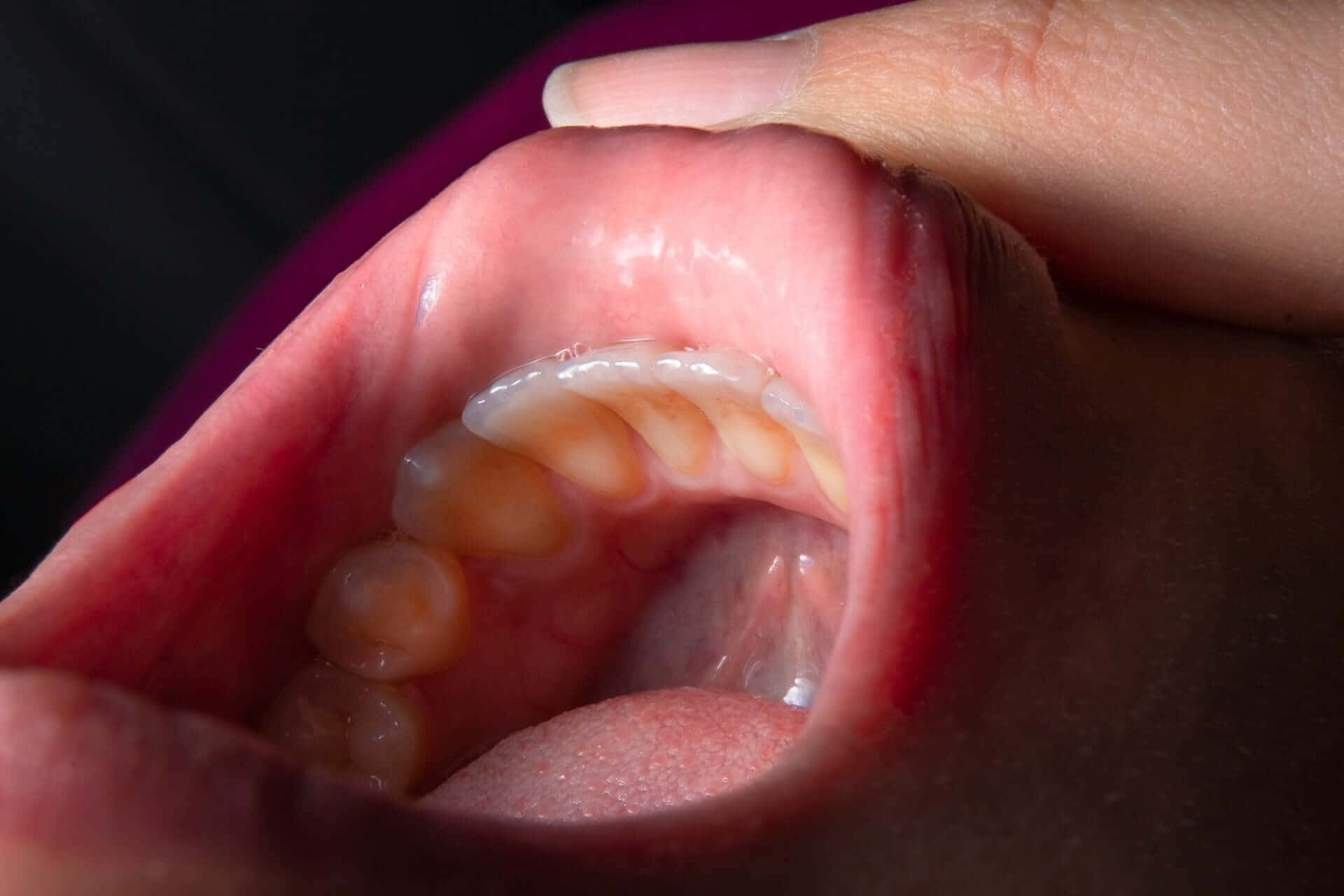
If you open your mouth and look carefully at the extraction site with a flashlight, you'll see clear visual clues that something is wrong.
What an Empty Extraction Site May Look Like
A healthy socket looks dark. There should be a deep red or almost maroon clot filling the hole where the tooth was. A dry socket looks completely different: the hole appears empty, pale, or grayish-white. You may be able to see the bone's actual surface inside.
The surrounding gum tissue may also appear a bit inflamed or irritated, though the socket itself is often not swollen as a normal bruise or healing wound would be. That absence of swelling, alongside intense pain, is part of what makes a dry socket feel so strange to patients.
Why Exposed Bone Hurts So Much
Bone contains nerve endings that are normally protected by tissue and the blood clot above them. When that clot is gone, those nerves are directly exposed to temperature changes, air movement, and anything you eat or drink. The pain is not just a surface-level ache; it originates from inside the jaw itself.
This is also why the pain radiates. The trigeminal nerve, which covers much of your face and jaw, picks up signals from the exposed socket and sends them outward. Patients frequently describe pain spreading to the cheek, ear, temple, or even the eye on the same side as the extraction.
Other Symptoms Beyond Throbbing Pain
Pain is the defining feature, but it is rarely the only symptom. Many patients with dry socket also notice a persistent bad taste that cannot be explained by food. That taste, sometimes metallic or bitter, comes from bacteria colonizing the unprotected socket.
Some people develop low-grade swelling of the lymph nodes in the neck or jaw area. You may feel generally run down or have a mild headache. Fever is uncommon with dry socket alone, but if you develop a fever alongside escalating oral pain, that changes the picture and warrants a faster response from your dentist. Knowing what dry socket looks and feels like makes it easier to understand why and how it happens.
Why It Happens After a Tooth Is Removed
Dry socket is not random. There are specific reasons a clot can fail, and some patients are at much higher risk than others.
How a Lost Clot Delays Healing
The blood clot that forms immediately after extraction does two critical things: it protects the underlying bone and nerves from exposure, and it provides a scaffold for new tissue to grow across the socket. Without it, the socket cannot close properly. Healing that would normally take 7 to 10 days can drag on for weeks if the socket is left untreated.
The clot can be lost in two ways. It can be physically dislodged by suction pressure, rinsing, or trauma to the area. It can also break down prematurely due to bacterial activity, poor circulation to the site, or certain medications that affect clotting. Both mechanisms lead to the same result: an exposed, painful socket.
Higher-Risk Cases Like Wisdom Teeth and Difficult Removals
Not all extractions carry the same risk. Wisdom tooth removal, particularly lower wisdom teeth, carries a significantly higher risk of dry socket than removal of other teeth. This is partly because of the anatomy of the lower jaw and partly because wisdom teeth are often impacted, requiring more force or surgical access during removal. More trauma during extraction means a less stable clot afterward.
The table below gives a practical comparison of relative risk across common extraction types:
Extraction Type | Relative Dry Socket Risk |
Simple front tooth removal | Low (under 2%) |
Routine molar extraction | Moderate (3 to 5%) |
Impacted wisdom tooth removal | High (up to 30%) |
Lower jaw extractions generally | Higher than upper jaw |
Risk Factors That Make Dry Socket More Likely
Beyond the type of tooth removed, several personal factors raise the risk:
Smoking or tobacco use: Nicotine reduces blood flow, and the suction from inhaling can pull the clot loose.
Oral contraceptives: Estrogen in birth control pills can interfere with normal clotting factors.
Poor oral hygiene: Existing bacteria in the mouth increase the chance of clot breakdown.
Previous dry socket: Having had it once makes recurrence more likely in future extractions.
Aggressive rinsing or spitting: Especially in the first 24 hours, these movements create suction that destabilizes the clot.
Knowing your risk factors before an extraction is exactly the kind of conversation to have with your dentist at Dentist of Torrance, so you can go home with a clear aftercare plan.
What Actually Helps and What Your Dentist May Do
Home care can temporarily take the edge off dry socket pain, but in-office treatment is what actually fixes it.
Temporary Relief You Can Try at Home
While you are arranging to see your dentist, a few things can reduce the discomfort enough to get through the wait. Ibuprofen (NSAIDs) works better for dental pain than acetaminophen because it addresses both pain and inflammation. Take it at the recommended dose on a schedule, not just when the pain spikes, to maintain a consistent level in your system.
A cold compress applied to the outside of the jaw for 15-minute intervals can also reduce referred facial pain. Gentle warm saltwater rinses help keep food debris out of the socket without disrupting healing tissue, though they are not a substitute for treatment. Avoid using a syringe to irrigate the socket at home without a dentist's guidance.
How In-Office Cleaning and Dressing Work
Your dentist will start by flushing the socket to remove any debris or bacteria that have settled into the open space. This irrigation step alone can noticeably reduce pain because it removes irritants that directly contact the nerve. The dentist may use a sterile saline solution or a medicated rinse.
After flushing, a medicated dressing is placed into the socket. This dressing typically contains ingredients such as eugenol (clove oil), which has a natural analgesic effect on exposed nerve tissue.
Most patients feel meaningful relief within minutes to hours of the dressing being placed. Depending on the severity, the dressing may need to be changed every few days until the socket begins to close on its own.
How Long Recovery Usually Takes
With treatment, most patients feel significantly better within 24 to 48 hours of the first dressing. Full healing of the socket still takes several weeks, but the intense pain phase typically resolves quickly once the nerve is protected again.
Without treatment, dry socket pain can persist for one to two weeks or longer, and the risk of secondary infection increases over time. It is almost always faster and more comfortable to come in early rather than wait and hope the pain settles on its own.
How to Lower Your Risk After an Extraction
Prevention is straightforward once you know what the clot needs in order to survive the first critical days.
The First 24 to 72 Hours Matter Most
The clot is at its most fragile immediately after formation. Everything you do in the first three days has a disproportionate effect on whether it stays in place. The American Dental Association recommends keeping gauze over the site for 30 to 45 minutes post-extraction to help the clot form firmly before you leave the office.
During this window, rest is genuinely useful. Physical exertion raises blood pressure and can cause early bleeding that disrupts clot formation. Keeping your head elevated, even while sleeping, reduces swelling and helps the clot stabilize.
Habits That Can Pull the Clot Loose
Several everyday habits create suction or pressure inside the mouth that can dislodge a fresh clot. Patients are often surprised by how many things make the list:
Using a straw (the suction is the problem, not the liquid)
Smoking or vaping any substance
Vigorous rinsing or spitting in the first 24 hours
Eating crunchy, hard, or chewy foods near the extraction site
Drinking carbonated beverages, which can disturb the socket
Even sneezing with your mouth closed can create pressure that affects the clot. Try to sneeze with your mouth open in the first 48 hours if you can.
Simple Aftercare Steps That Protect Healing
After the first 24 hours, gentle warm saltwater rinses two to three times a day help keep the socket clean without disturbing healing tissue. Soft foods like yogurt, scrambled eggs, mashed potatoes, and soup are easier to eat and create less contact with the site.
Brushing carefully around the area, not directly into the socket, keeps surrounding bacteria from migrating into the opening. If your extraction site was in the lower jaw, where dry socket rates are higher, extra caution during those first 72 hours is genuinely worthwhile.
When to Call a Dentist in Torrance
Some post-extraction symptoms are worth watching; others are worth calling about the same day.
Signs You Should Not Wait Out at Home
If your pain is worsening past day two or three and nothing you try is touching it, that is a reason to call. You should not wait it out if you see bone in the socket, if you have a bad taste that persists despite gentle rinsing, or if the pain is radiating strongly into your face or neck.
Fever in combination with worsening oral pain is a separate concern that should be evaluated promptly. Dry socket alone does not usually cause fever, so that combination can indicate a beginning infection that needs a different level of attention. Call your dental office and describe both symptoms clearly so the team can advise you on timing.
What to Expect at a Same-Week Follow-Up
A dry socket visit is typically brief, focused, and genuinely relieving. Your dentist will examine the site, look at the surrounding tissue, and may take a quick X-ray to rule out retained tooth fragments or a bone infection. From there, the flushing and dressing process usually takes under 20 minutes.
You do not need to brace for a complicated procedure. Most patients leave the office feeling meaningfully better than when they walked in, sometimes within the same appointment. The dressing does the heavy lifting; the visit itself is low-stress.
A Reassuring Next Step if the Pain Is Escalating
Dry socket is treated, not just managed. There is no reason to sit at home measuring out ibuprofen for a week when a short dental visit can address the source of the pain directly. Reaching out to your dentist a day sooner almost always means feeling better a day sooner.
If you had your extraction at a different office or are new to the area, any dentist can treat dry socket. The condition is well understood, and the treatment is consistent across practices.
Frequently Asked Questions
How can I tell if my extraction site is healing normally or if it might be a dry socket?
Normal healing brings gradually decreasing pain, some swelling, and a visible dark clot in the socket. Dry socket typically feels worse by day two or three, not better, and the socket may look empty or pale rather than filled with a dark clot.
What are the early warning signs that a dry socket is starting after a tooth is pulled?
The earliest sign is usually pain that increases rather than decreases in the days following extraction. A bad taste in your mouth, discomfort radiating to your ear, and pain that does not respond to ibuprofen are other early indicators worth acting on.
How do I check for a dry socket at home without poking the area or making it worse?
Use a flashlight and a mirror in good lighting to look at the site without touching it. A healthy socket shows a dark clot. If the socket looks pale, gray, or visibly empty, with bone showing, that appearance, combined with worsening pain, is a reliable reason to call your dentist.
Is a dry socket dangerous, and when should I call a dentist the same day?
Dry socket is painful but not life-threatening on its own. Call your dentist the same day if the pain is severe and radiating, if you notice swelling spreading beyond the immediate extraction area, or if you develop a fever alongside worsening pain, which can signal a developing infection.
What can a dentist do in the office to relieve dry socket pain and help it heal faster?
Your dentist will irrigate the socket to remove debris, then place a medicated dressing to protect the exposed nerve. Most patients experience significant pain relief within hours of the dressing being placed, and the socket is monitored for follow-up changes until it begins to close naturally.
How long does a dry socket usually last if it isn't treated right away?
Untreated dry socket pain can last one to two weeks or longer as the bone slowly develops enough granulation tissue to cover itself. With in-office treatment, the acute pain phase usually resolves within 24 to 48 hours of the first dressing, making early intervention well worth it.
If the Pain Feels Wrong, Trust That Instinct
Dry socket is not something you need to tough out. The symptoms are recognizable, the treatment works quickly, and getting help early is simply the smarter path. If your pain is sharpening past day two or three after an extraction, or if anything in this article matched what you are experiencing, a quick call to your dentist is the right next step.
Ready to take the next step for your smile? Request a same-day or flexible appointment at Dentist of Torrance and let Dr. Hamid Barkhordar and our team make it simple. Call us at 213-929-8633 or book online. The visit is low-key, the treatment is effective, and you deserve to feel better faster.