If you have been told you have a missing tooth and need to choose a replacement, you are already facing one of dentistry's more confusing decisions. Terms like pontic, abutment, and fixed restoration get thrown around quickly, and it can be hard to know what any of them mean for your mouth, your schedule, or your budget.
A dental bridge is one of the most time-tested ways to replace missing teeth, and most patients find the process far simpler than they expected. The goal is straightforward: fill the gap, restore your bite, and protect the surrounding teeth. At a practice like Dentist of Torrance, that conversation starts with a genuine exam and a clear explanation of every option available to you, not a rushed recommendation.
Keep reading to find out exactly how a dental bridge works, what getting one involves step by step, how long it realistically lasts, and how it stacks up against implants and dentures. Practical answers are ahead, and none of them require a dental degree to follow.
How a Bridge Fills the Gap
A dental bridge quite literally bridges the space left by a missing tooth, using a false tooth held in place by the teeth on either side of the gap. The result is a fixed dental restoration that looks, feels, and functions like a natural tooth once it is in place.
What the Restoration Is Made Of
The artificial tooth in the middle is called a pontic. It is custom-shaped and colored to blend with the surrounding teeth. Depending on the material chosen, most patients find it difficult to distinguish the pontic from the adjacent natural teeth.
Pontics are fused to crowns at each end, forming a single connected unit. Those crowns cap the neighboring teeth, which hold the entire tooth bridge firmly in position. The entire assembly is permanently cemented, so there is nothing to remove at night.
How Abutment Teeth Support the Replacement
The teeth that anchor a bridge are called abutment teeth. Before the bridge is placed, these teeth are gently reshaped so the crowns can fit over them snugly. That reshaping is permanent, which is why choosing healthy, structurally sound abutment teeth matters.
Because the abutment teeth carry the load of the pontic, their condition directly affects how well the crown and bridge performs over time. If either abutment tooth develops decay or weakens, the bridge becomes vulnerable. That is why maintaining excellent oral hygiene around the anchor teeth is not optional, it is essential.
When a Fixed Option Makes Sense
A fixed bridge is a strong choice when the neighboring teeth genuinely need crowns or already have large restorations, since the bridge serves double duty. It is also practical when a patient wants a faster process than a dental implant allows.
A fixed dental restoration requires no surgery, integrates quickly into your normal bite, and is typically covered at least in part by dental insurance. Patients who are in good general health, have healthy supporting teeth, and are committed to good oral hygiene tend to get the best long-term results. That combination of factors is exactly what your dentist will assess during a consultation before recommending this path.
Which Design Fits Your Situation
Not every gap in your smile calls for the same solution, and the right type of dental bridge depends on where the missing tooth is, what surrounds it, and what your jawbone looks like.
Traditional and Three-Unit Designs
A traditional dental bridge is the most common design. It uses one pontic flanked by two crowns cemented onto prepared abutment teeth. When you are replacing a single missing tooth between two healthy neighbors, a three-unit bridge is the standard recommendation.
This design is durable, well supported by insurance, and backed by decades of clinical evidence. The tradeoff is that both neighboring teeth must be permanently shaped to accept crowns, even if they are otherwise healthy.
Maryland and Resin-Bonded Options
A Maryland dental bridge is a conservative alternative used most often for front teeth. Instead of full crowns, metal or porcelain wings attach to the backs of the adjacent teeth with a strong resin bond. No significant tooth reshaping is required.
The resin-bonded bridge preserves more natural tooth structure, which many patients appreciate. The limitation is bite force: because the wings bond to the enamel rather than fully wrapping around the tooth, this design is not suitable for back teeth that experience greater chewing pressure.
Cantilever, Removable, and Implant-Supported Choices
A cantilever dental bridge anchors to only one neighboring tooth rather than two. It is less common now because a single abutment absorbs more stress, but it can work in low-pressure areas, such as the front of the mouth.
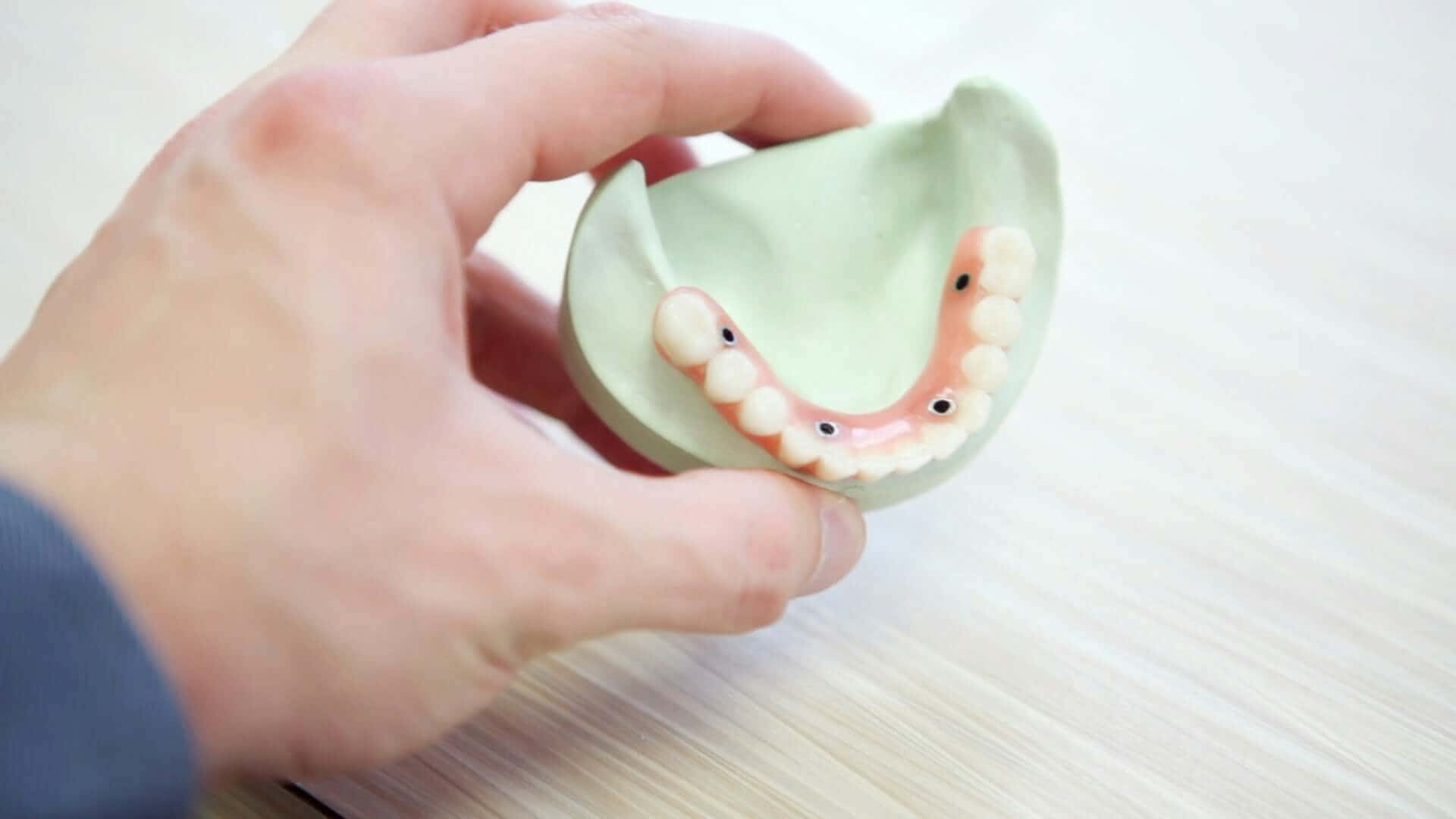
An implant-supported dental bridge replaces the need for abutment teeth entirely. Dental implants placed in the jawbone serve as anchors that protect neighboring teeth from reshaping. This option is particularly useful when multiple teeth are missing in a row.
Bridge Type | Abutment Method | Best For | Surgery Needed |
Traditional | Crowns on neighbors | Single missing tooth | No |
Maryland | Resin wings | Front teeth, minor gaps | No |
Cantilever | One crown | Edge-of-arch gaps | No |
Implant-Supported | Implants in jawbone | Multiple missing teeth | Yes |
Removable (Partial Denture) | Clasps on teeth | Multiple missing teeth | No |
Once you know which design suits your situation, the next question is what the process of actually getting one looks like from start to finish.
What Getting One Actually Involves
The dental bridge procedure is usually completed in two to three appointments over two to four weeks, depending on the lab and the complexity of your case.
Consultation, Exam, and Treatment Planning
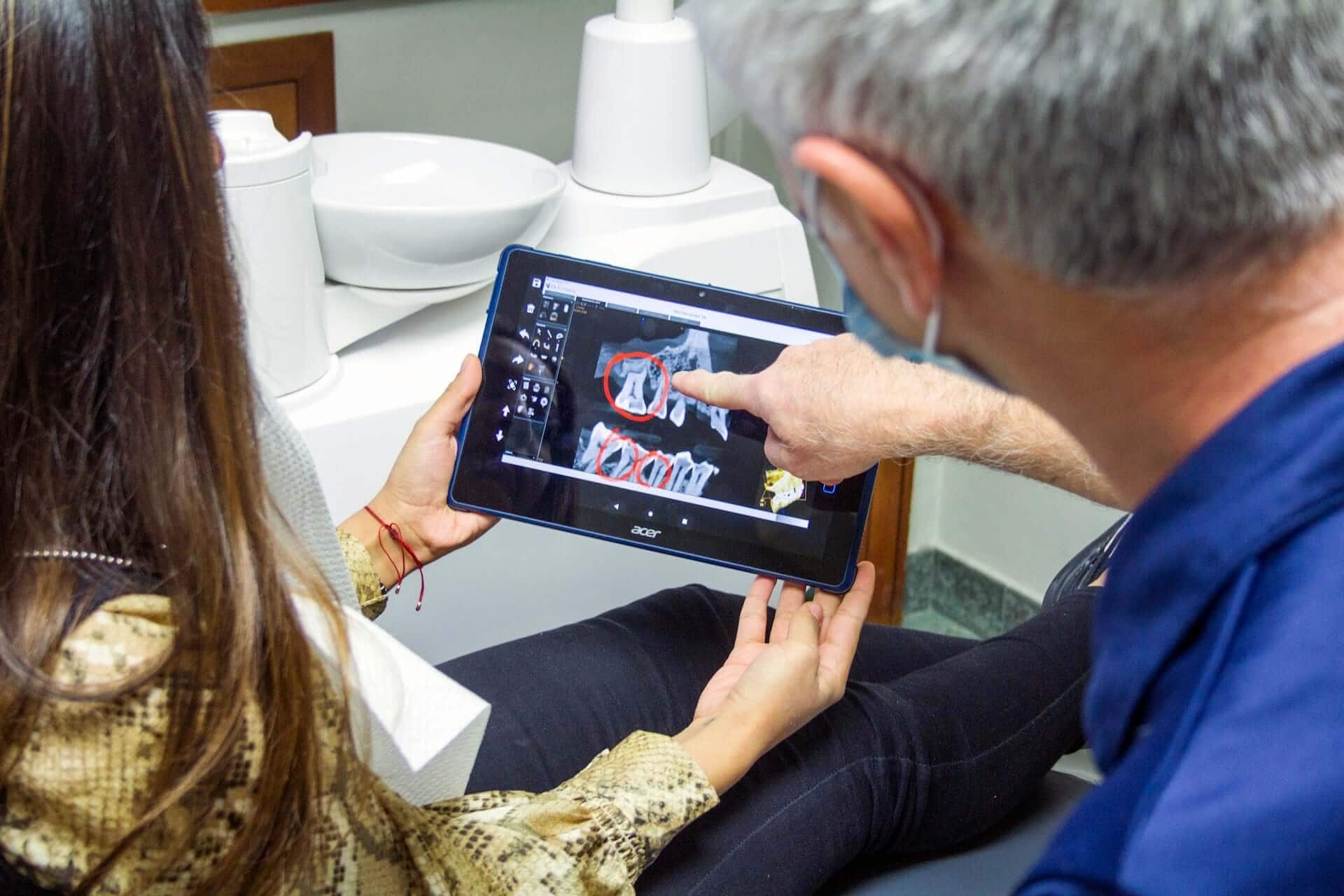
At your first visit, your dentist takes X-rays and examines both the gap and the surrounding teeth. If you need a tooth extraction or have existing decay, that is addressed before the bridge work begins. Some patients may also need a bone graft if significant bone loss has occurred at the site of the missing tooth.
Your dentist will review your options, confirm which teeth will serve as abutments, and discuss material choices. This is the right time to ask questions about how the bridge will feel, how it will look, and what recovery is like.
Tooth Preparation, Impressions, and a Temporary Bridge
Once a plan is set, the abutment teeth are gently reshaped under local anesthesia. A thin layer of enamel is removed so the crowns can fit properly without feeling bulky. The amount removed is small but permanent.
After shaping, your dentist takes impressions or a digital scan of your teeth. That information goes to a dental lab, which fabricates the custom bridge, typically in 1 to 2 weeks. A temporary bridge is placed over your prepared teeth in the meantime. It protects the abutment teeth and lets you eat and speak normally while you wait.
Final Placement and Adjustment
When the permanent bridge arrives, the temporary is removed, and the fit is checked carefully. Your dentist will examine the bite from multiple angles and make small adjustments before cementing anything permanently. Some dentists use temporary cement for a short trial period first.
Once the fit feels right and your bite closes evenly, the bridge is permanently cemented into place. Most patients leave that appointment with full chewing function restored, and any mild sensitivity around the abutment teeth usually fades within a few days.
How Long It Lasts and What Can Go Wrong
Most dental bridges last between 5 and 15 years, and many well-maintained bridges reach 20 years or more. That range is wide because oral hygiene habits, bite forces, and material choices all play a significant role.
Typical Lifespan and Wear Over Time
Implant-supported bridges tend to last the longest, often exceeding 15 years, because the implants do not shift or decay the way natural tooth roots can. Traditional bridges typically last 10 to 15 years with good care, while Maryland bridges may need replacement sooner due to the bond's limitations.
Teeth grinding accelerates wear significantly. If you clench or grind at night, your dentist may recommend a night guard alongside your bridge to reduce the mechanical stress on both the pontic and the crowns.
Common Problems Such as Loosening or Decay
The most common dental bridge problems involve decay forming under the crowns at the abutment teeth. If bacteria reach that area, the abutment tooth can weaken, and the bridge may loosen. This is why flossing under the pontic matters so much.
Other issues include:
Loosening cement from chewing very sticky or hard foods repeatedly
Chipped or cracked porcelain on the pontic, more common in back teeth
Bite changes over time if adjacent teeth shift slightly
Gum recession around the abutment teeth, which can expose the crown margins
Whether a Bridge Can Be Removed or Recemented
A permanently cemented bridge is not designed to be removed the way a partial denture is. If a loose dental bridge is caught early, your dentist can sometimes carefully remove it, clean the area, and recement it. Whether that is possible depends on the condition of the underlying abutment teeth.
If the abutment tooth has decayed significantly, a new restoration may be needed rather than a simple recementation. Routine dental checkups every six months are the most reliable way to catch these issues before they become irreversible.
Care, Materials, and Cost Factors
Good daily habits are what actually determine whether your bridge hits the low end or the high end of its potential lifespan.
Daily Cleaning Habits That Protect the Bridge
The most important habit is cleaning under the pontic. Regular floss cannot thread through the space on its own, so a floss threader or water flosser is needed to clear plaque from beneath the false tooth. Skipping this step is the most common reason bridges fail prematurely.
Brush twice daily with fluoride toothpaste and pay close attention to the margins where the crowns meet the gum line. Gum disease at those margins puts the abutment teeth at risk. Your hygienist can show you exactly which angles to use at your next cleaning.
Common Bridge Materials and Where They Are Used
Material | Appearance | Durability | Best Location |
All-ceramic / All-porcelain | Excellent | Good | Front teeth |
Zirconia | Very good | Excellent | Front and back |
Porcelain-fused-to-metal (PFM) | Good | Very good | Front and back |
Metal alloy (gold, etc.) | Poor | Excellent | Back teeth, hidden areas |
A ceramic bridge blends beautifully with the front teeth but may chip under heavy pressure from the back teeth. Porcelain-fused-to-metal restorations remain popular because they combine a natural look with the strength of metal support. Zirconia is increasingly used as a durable, metal-free option for patients seeking strength and aesthetics in one material.
What Affects the Final Price
Without insurance, a three-unit traditional bridge typically ranges from $2,500 to $5,000. Implant-supported options can run higher, especially when multiple implants are involved. Several factors shift the final cost:
Material choice: Zirconia and all-ceramic cost more than PFM in most cases
Location in the mouth: Back teeth require stronger materials, which affects price
Preparatory work: Extractions, bone grafts, or root canal treatment add to the total
Geographic location and provider: Fees vary between practices and regions
Many dental insurance plans cover a portion of the cost of bridge work. Confirming your specific benefits before treatment starts prevents surprises.
Choosing the Right Replacement for Your Smile
A bridge is one strong option among several, and the best choice depends on your specific anatomy, timeline, and what matters most to you day-to-day.
When a Bridge May Be a Better Fit Than an Implant
A dental bridge works well when the neighboring teeth already need crowns, when you want to avoid surgery, or when a faster resolution is the priority. The procedure takes weeks rather than months.
Cost and insurance coverage also factor in. A bridge is typically less expensive upfront than a dental implant, and it is more widely covered by standard dental plans. For patients who are not candidates for implant surgery due to bone loss or health conditions, a bridge is often the most practical path.
When a Denture or Other Option May Be Considered
A partial denture is removable and can replace several missing teeth at once without requiring any tooth preparation on the neighboring teeth. It costs less upfront but requires nightly removal, cleaning, and periodic adjustments as the jawbone changes shape over time.
A full denture is used when most or all of the teeth in an arch are missing. For isolated one- to three-tooth gaps where surgery is not possible, and neighboring teeth are otherwise healthy, a bridge remains the most stable non-surgical option.
Next Steps for a Personalized Consultation
The comparison between a dental bridge and a dental implant, or a bridge and a partial denture, rarely has a universal answer. It depends on bone density, the health of neighboring teeth, your budget, and how you feel about surgery. A dentist who examines your specific mouth can weigh those factors far more precisely than any checklist.
If you are comparing options to replace missing teeth and restore your smile, scheduling an exam is the clearest way to move from uncertainty to a plan you feel confident about.
Frequently Asked Questions
What Exactly Is a Dental Bridge, and How Does It Replace a Missing Tooth?
A dental bridge is a fixed restoration made of one or more false teeth, called pontics, anchored to the natural teeth on either side of a gap using crowns. Once cemented, it functions like a natural tooth for chewing, speaking, and maintaining your bite. It does not come out the way a denture does.
How Much Does a Dental Bridge Usually Cost, and What Affects the Price?
A three-unit traditional bridge typically costs between $2,500 and $5,000 without insurance, though implant-supported designs can be more expensive. The final price depends on the material used, whether preparatory work, such as extractions, is needed, and your insurance coverage. Checking your specific plan before starting treatment gives you the clearest picture.
How Does a Dental Bridge Compare With Dental Implants or Dentures for Everyday Chewing and Comfort?
A bridge restores chewing function quickly and feels fixed in place, which most patients prefer over a removable partial denture. Dental implants tend to feel more like natural teeth in the long term and do not involve neighboring teeth, but they require surgery and a longer timeline. For many patients, a bridge hits a practical balance between comfort, speed, and cost.
How Long Does It Take to Complete a Three-Tooth Bridge From Start to Finish?
Most traditional bridge cases are completed in two to three appointments spread over two to four weeks. The longest wait is typically the lab fabrication period after your impressions are taken. If preparatory steps such as an extraction or bone graft are needed, the overall timeline will extend.
Is Getting a Dental Bridge Painful, and What Should I Expect During Recovery?
The tooth preparation appointment is done under local anesthesia, so you should not feel sharp pain during the procedure. Mild sensitivity around the abutment teeth is normal for a few days after each visit. Once the permanent bridge is placed and your bite is adjusted, discomfort typically resolves quickly.
How Long Do Dental Bridges Typically Last, and What Problems Should I Watch for Over Time?
Most bridges last between 10 and 15 years with good care, and some last more than 20 years. Watch for sensitivity around the crowns, any feeling of looseness, or visible changes in the gum line near the abutment teeth. Regular checkups every six months help catch small problems before they affect the bridge's structural integrity.
Your Next Step Toward a Complete Smile
A dental bridge is a reliable, well-understood solution for replacing a missing tooth, and knowing how it works makes it easier to have a confident conversation with your dentist. From the materials and design choices to the step-by-step procedure and realistic lifespan, most of the uncertainty dissolves once you have the full picture.
If you are still weighing your options or have questions about whether a bridge is the right fit for your situation, Dr. Hamid Barkhordar and the team at Dentist of Torrance are ready to walk you through it. Call 213-929-8633 or book your appointment online at your convenience.