You've just left the dentist's office with a recommendation for a crown, and your first thought is: why can't it just be a filling? It's a completely fair question, and one that comes up often when the cavity is larger than expected. The decision between a crown vs filling for a large cavity comes down to how much healthy tooth structure remains and whether a filling can actually hold up under real daily pressure.
At Dentist of Torrance, patients regularly face this exact fork in the road. The recommendation isn't arbitrary. It's based on specific factors your dentist can see on an X-ray and examine during your visit, factors that genuinely affect whether your tooth survives the next five to ten years intact.
Keep reading to find out when a large cavity goes beyond the point where a filling is safe, when a filling still makes sense, and what each treatment actually involves from start to finish. The answers here are meant to help you walk into your next appointment with confidence, not confusion.
What Usually Tips a Large Cavity Toward a Crown
When a cavity is large, the real question isn't just how big the hole is. It's how much healthy tooth is left standing around it.
How Cavity Size Changes the Decision
A filling works by packing material into a cleaned-out space. That material bonds to the remaining walls of the tooth and relies on them for support. When those walls are thin or compromised, the filling has nothing solid to grip, making it more likely to crack or fall out under chewing pressure.
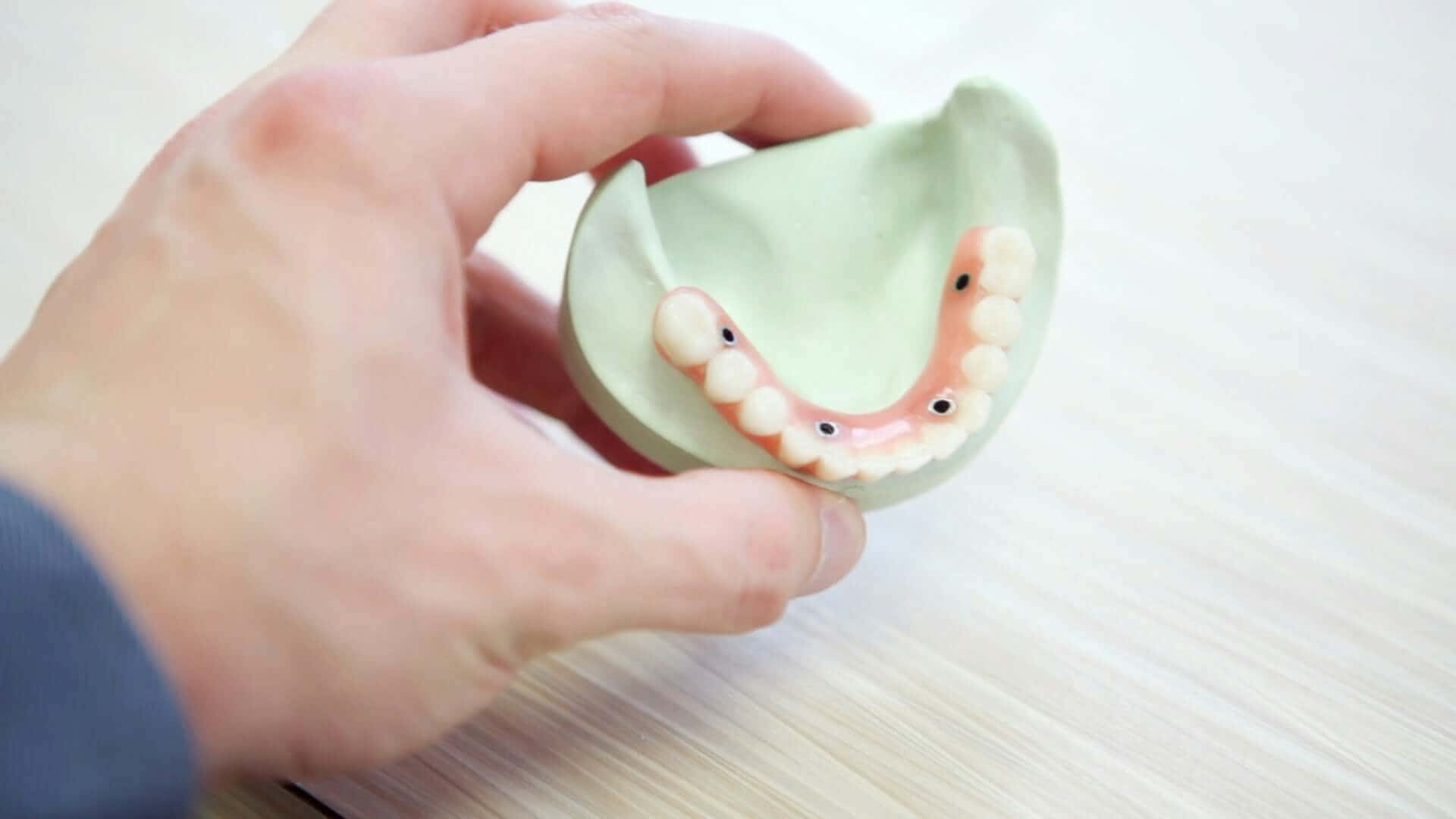
A general rule clinicians use: once decay has affected roughly half or more of the tooth's surface, a filling alone often can't provide lasting protection. At that threshold, a dental crown, which wraps around the entire visible tooth like a cap, distributes chewing force across the entire structure instead of concentrating it in a single patched area.
How Much Healthy Tooth Structure Needs to Remain
Your dentist isn't just looking at the cavity itself. They're evaluating the walls of the tooth that will surround whatever restoration goes in. For a filling to be stable, those walls need to be thick and strong enough to resist bending or fracturing. When decay has undercut a cusp or hollowed out a significant portion of the tooth, the remaining walls are at real risk of splitting, even with a well-placed filling.
Think of it like patching a wall with a large section missing. A small patch holds fine, but once the surrounding area is compromised, the patch becomes the weakest point in the structure.
Why Small Cavities Are Different From Large Cavities
Small cavities that are caught early, often visible only on X-rays, typically involve only the outer enamel layer. Those respond well to dental fillings because plenty of healthy tooth surrounds the repair. A large cavity, especially one that has spread toward the center of the tooth or across multiple surfaces, removes so much enamel and dentin that the tooth loses its natural rigidity.
That structural shift is what makes the choice between a crown and a filling for a large cavity a different conversation from that for a small cavity. Once you understand that distinction, it's easier to see why the treatment recommendation changes so quickly as cavity size grows.
Why Strength Matters More Than Just Closing the Hole
Closing the cavity is only half the job. The restored tooth still has to handle hundreds of pounds of chewing force every single day.
How Fillings and Crowns Handle Chewing Force
A filling sits inside the tooth. A crown wraps around it. That difference in coverage is everything when it comes to force distribution. A filling, no matter how well placed, transmits bite force directly to the adjacent tooth walls. When those walls are thin due to large decay, that force can split them cleanly, sometimes right down to the root.
A crown redirects that same force around the outside of the tooth, keeping the remaining structure from being pulled apart from within. It acts more like a protective shell than a patch.
Why Molars Break More Often Under Pressure
Molars sit at the back of the mouth and handle the heaviest chewing. Back teeth can experience bite forces ranging from 150 to over 250 pounds per square inch during normal chewing. That's why molars with large cavities are far more likely to fracture around a filling than front teeth with comparable decay.
If your dentist recommends a crown on a back molar with a large cavity, the location itself is part of the clinical reasoning, not just the size of the decay.
When a Weakened Tooth Needs Full Coverage
Here's a quick comparison to put the two options side by side:
Factor | Large Filling | Dental Crown |
Coverage area | Fills the cavity only | Covers entire visible tooth |
Structural support | Relies on remaining walls | Protects walls from outside |
Best for | Small to moderate cavities | Large decay, weak or cracked teeth |
Typical lifespan | 5 to 10 years | 10 to 15+ years |
Visits required | Usually one | Usually two (or one with same-day) |
Once the tooth is too weak to support a filling reliably, a crown isn't an upgrade; it's the appropriate treatment to prevent the tooth from fracturing. That brings up another scenario that changes the calculus: cracks.
Cracks, Old Restorations, and Other Signs a Crown May Be Safer
A large cavity doesn't always travel alone. Cracks and failing old fillings often significantly complicate the picture.
When a Cracked Tooth Changes the Plan
A cracked tooth with decay is one of the clearest cases in which a dental crown is the safer choice. A filling can seal the decay, but it does nothing to hold a cracked tooth together. Under chewing pressure, that crack can deepen, sometimes splitting the tooth vertically, which is far harder to treat and can lead to extraction.
A crown encircles the crack and prevents it from propagating further. If your dentist mentions both a large cavity and a visible or suspected crack, that combination is a strong clinical signal that full coverage is warranted.
Why Replacing a Very Large Old Filling Can Be Risky
Old amalgam or composite fillings that span much of a molar's chewing surface are sometimes called "watch fillings" because their edges start to gap, crack, or allow new decay to form underneath. When that happens, and the filling needs replacement, there's often less healthy tooth structure left than when the original filling was placed.
Replacing a very large old dental filling with another can leave the walls even thinner than before. In those cases, a crown protects what's left rather than putting more stress on an already thin shell.
Tooth Sensitivity and Bite Pain as Warning Signs
Sharp pain when biting down or temperature sensitivity that lingers for more than a few seconds can signal that the tooth's nerve is under stress, often because deep decay or a failing restoration is allowing pressure or temperature to reach the pulp. These symptoms alone don't always mean a crown is needed, but they do mean the tooth needs prompt evaluation.
Ignoring bite pain with a large cavity can turn a crown procedure into a root canal plus crown situation, which is more involved and more costly.
When a Filling Still Makes Sense
A crown is not always the answer, and a good dentist will recommend a filling when the tooth genuinely supports one.
Conservative Cases With Enough Natural Support
When a cavity is large, but the walls of the tooth are still thick, intact, and free of cracks, a well-placed composite filling can last years without issue. The key is that the remaining tooth structure bears the filling, not the other way around.
If your dentist can confirm on an X-ray that healthy dentin walls are present and the bite surface isn't severely compromised, a dental filling is often the right, appropriately conservative choice.
Choosing a filling in those cases preserves more natural tooth structure, which is always preferable when the clinical situation allows it.
When Front Teeth May Avoid Full Coverage
Front teeth take far less biting force than molars. A large cavity on an upper front tooth can sometimes be restored with a bonded composite filling or a porcelain veneer rather than a full crown, as long as the structural damage doesn't extend too far below the gum line or compromise the root.
The filling procedure for front teeth also carries a cosmetic priority. Composite resin can be shaded to closely match your natural tooth color, and when enough tooth remains, it can provide both function and a natural look without the preparation required for a full crown.
Questions to Ask if Both Options Are Mentioned
If your dentist presents both options, these are worth asking before you decide:
How much of the tooth's natural structure will remain after the decay is removed?
Are there any cracks, even hairline ones, visible on the X-ray or under magnification?
How is the tooth's current biting surface, and how much of it would the filling cover?
What is the expected lifespan of a filling in this specific tooth given its position and size?
Is there any risk that a filling now could lead to a fracture that would require extraction later?
Practical answers to those questions give you a real foundation for the decision, not just a cost comparison.
What to Expect From Each Treatment
Both procedures involve local anesthesia and feel comfortable during the visit with proper numbing. The key difference is what happens after the decay is removed.
What Happens During a Filling Procedure
After the area is numbed, the dentist removes all decayed material and shapes the cavity to hold the filling. For a composite resin dental filling, the material is placed in layers, hardened with a curing light, and then shaped and polished to match your bite. The whole appointment typically runs 30 to 60 minutes. You leave with the final restoration in place the same day.
Post-visit sensitivity is normal for a day or two, especially with larger fillings. Avoiding very hot or cold foods for the first 24 hours usually helps.
What Happens During a Crown Procedure, Temporary Crowns, Permanent Crowns, and Same-Day Options
A standard crown procedure involves two visits. At the first visit, the dentist removes the decay, shapes the tooth to receive a crown, takes a digital impression, and places a temporary crown to protect the tooth while the permanent crown is fabricated in a lab. The permanent crown is cemented at the second visit, usually one to two weeks later.
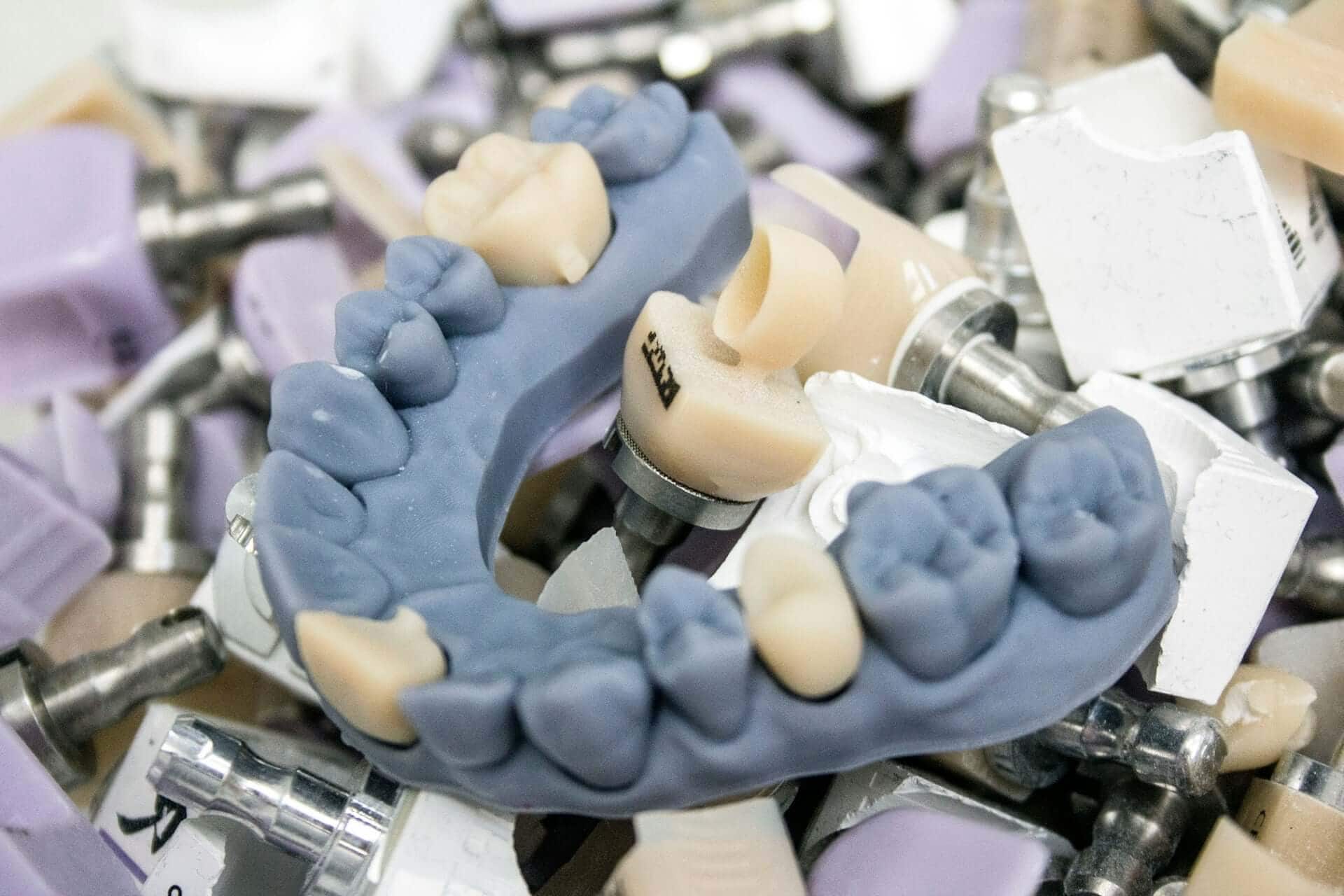
Some practices now offer same-day crowns using in-office CAD/CAM milling technology. With this approach, the tooth is scanned digitally, the crown is designed and milled in ceramic right at the office, and the permanent restoration is placed the same day.
Zirconia crowns and porcelain-fused options are both common, and your dentist will recommend a material based on the tooth's location and your bite pattern.
Either path, two-visit or same-day, results in a permanent crown that fits your bite and matches your surrounding teeth closely.
After Root Canal Treatment and Other High-Risk Situations
A root canal removes the tooth's nerve tissue and blood supply, which changes how the tooth responds to stress going forward.
Why Teeth Often Need More Protection After Root Canal Treatment
After root canal treatment, a tooth no longer has the internal feedback that warns you when biting forces are getting too high. It also becomes slightly more brittle over time because the internal moisture that kept the dentin flexible has been lost.
For back teeth that already had large cavities before the root canal, a permanent crown is almost always recommended afterward to prevent the tooth from splitting under normal chewing forces.
Front teeth after root canal treatment sometimes only need a strong bonded filling if the access opening was small and the walls are still thick. Your dentist evaluates this individually.
How Decay Plus Fracture Risk Changes Long-Term Planning
When a tooth has a large cavity, a root canal, and any sign of cracking at the same appointment, the combination of these three factors strongly points toward a crown. Each factor alone might not require one. Together, they create a situation where the tooth is structurally vulnerable from multiple angles at once.
Planning a crown in that scenario isn't overcautious. It's protecting a significant investment in the tooth's survival.
When a Dentist Recommends a Crown to Prevent Bigger Problems
Dentists sometimes recommend a dental crown proactively, before a visible fracture occurs, when X-rays or clinical examination indicate the tooth is at high risk.
This is especially common with large, old amalgam fillings on heavily loaded molars, where the restoration is older than 10 years and shows marginal breakdown. A crown placed before a fracture keeps the tooth intact. A crown placed after a vertical fracture may not be able to save it at all.
Frequently Asked Questions
How Do I Know if a Large Cavity Can Be Fixed With a Filling, or if It Really Needs a Crown?
The key factor is how much healthy tooth structure remains after the decay is removed. If the walls surrounding the cavity are thick and no cracks are present, a filling is often viable. If more than roughly half the tooth is affected or the cusps are undermined, a crown is typically the safer long-term choice.
What Are the Signs That a Big Cavity Is Close to the Nerve and Might Need a Root Canal First?
Persistent pain, sensitivity to heat that lingers for more than a few seconds, or a dull ache that wakes you at night can all indicate the nerve is involved. Your dentist will use X-rays and clinical tests to confirm this before deciding whether root canal treatment is needed before placing a crown or filling.
How Long Does a Large Filling Usually Last Compared With a Porcelain Crown?
Large composite fillings typically last five to ten years depending on location, bite pressure, and oral hygiene. Porcelain and zirconia crowns tend to last ten to fifteen years or longer with proper care. The size of the original restoration and the tooth's position in the mouth both affect how long either restoration holds.
What's the Typical Cost Difference Between a Large Filling and a Dental Crown in Torrance, and What Affects the Price?
Fillings are generally less expensive upfront than crowns because they require less lab work and fewer visits. The final cost for either treatment depends on the tooth's location, the material used, your insurance coverage, and the extent of the decay. Asking for a written treatment plan with cost estimates at your consultation appointment gives you the clearest picture before committing.
Will Getting a Crown Mean More Drilling Than a Filling, and How Do You Keep It Comfortable During the Visit?
Crown preparation involves reshaping more of the outer tooth surface than a filling does, but local anesthesia makes both procedures comfortable while you're in the chair. Most patients report the experience is very manageable. If dental anxiety is a concern, ask your dentist about comfort options before the appointment.
If I Choose a Filling Now, Can I Still Get a Crown Later if the Tooth Cracks or the Filling Fails?
Yes, in most cases a crown can be placed later if a filling is chosen now and the tooth later cracks or the filling wears down. The important caveat is that a vertical fracture extending below the gum line may limit what can be saved. Choosing a filling with the understanding that a crown may eventually be needed is a legitimate approach when the clinical situation supports it.
Making the Right Call for Your Tooth
If you've been told you may need a crown for a large cavity and want to understand the reasoning before agreeing to treatment, that conversation is worth having with a dentist who takes time to explain what they're seeing.
Dr. Hamid Barkhordar, trained at USC and Harvard, and the team at Dentist of Torrance are glad to walk you through your X-rays and treatment options in plain terms.
Your family's dental health does not have to feel complicated or expensive. Reach out and find out how affordable, comfortable care fits into your schedule. Call 213-929-8633 or book your appointment online today.