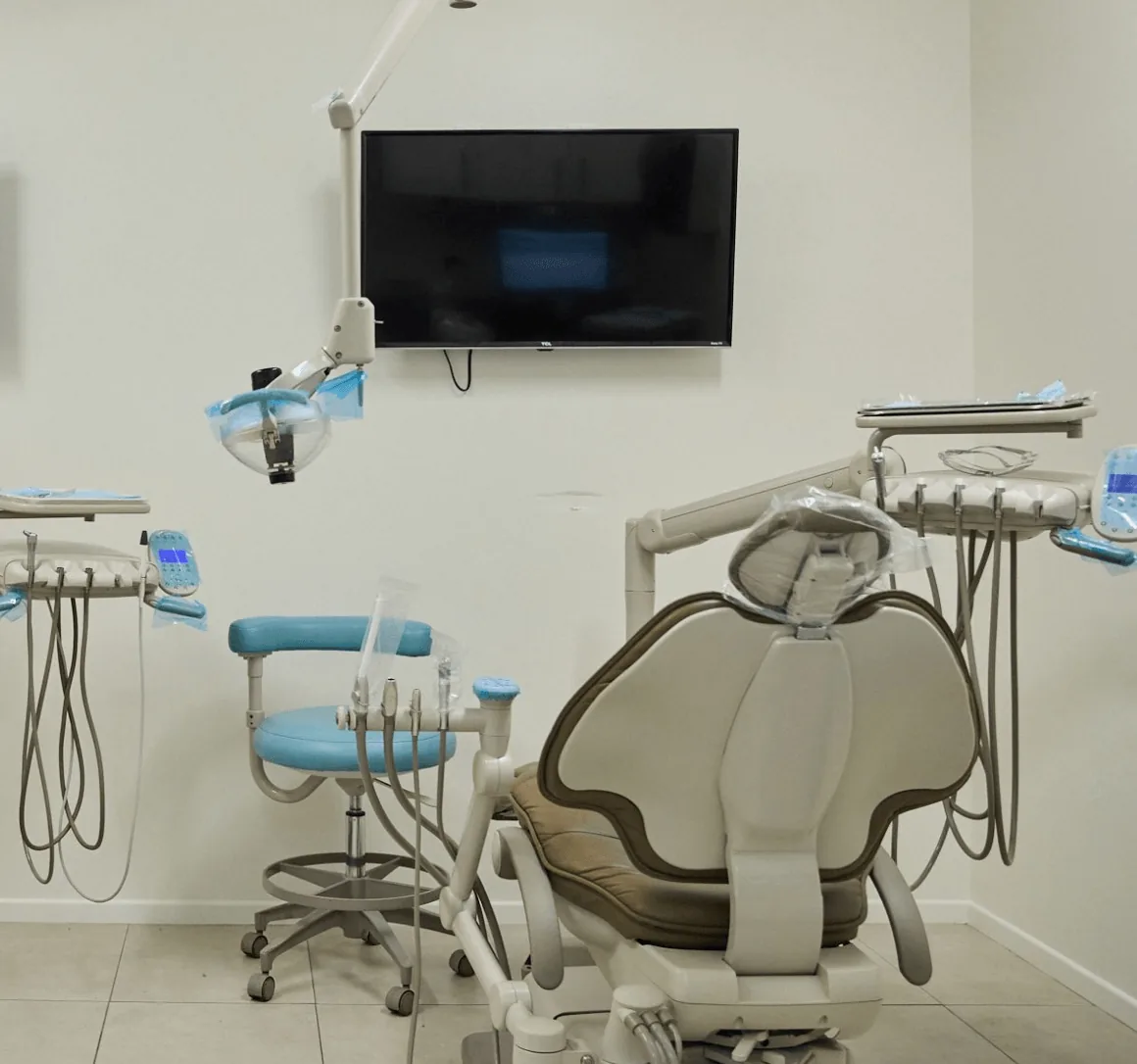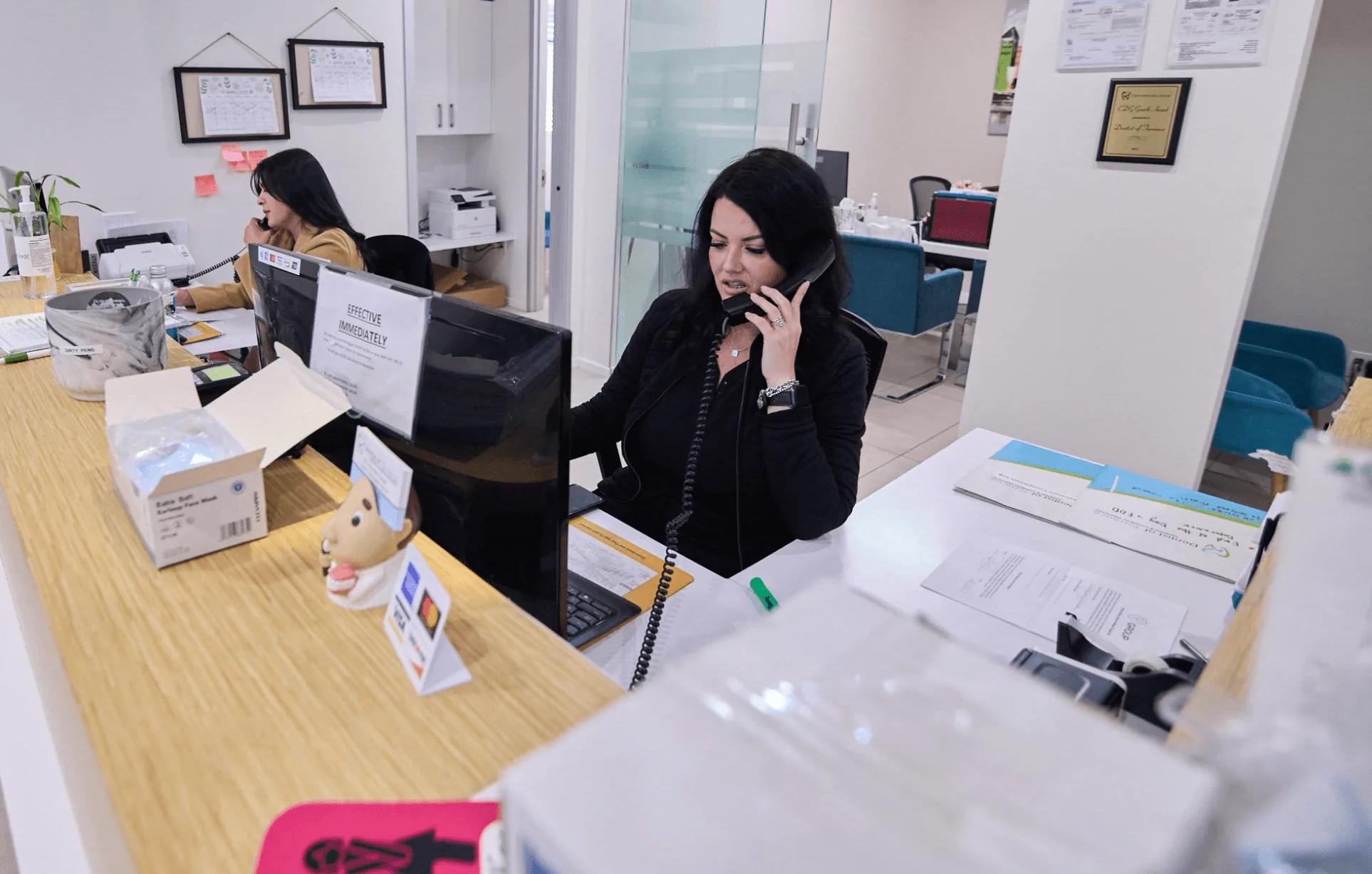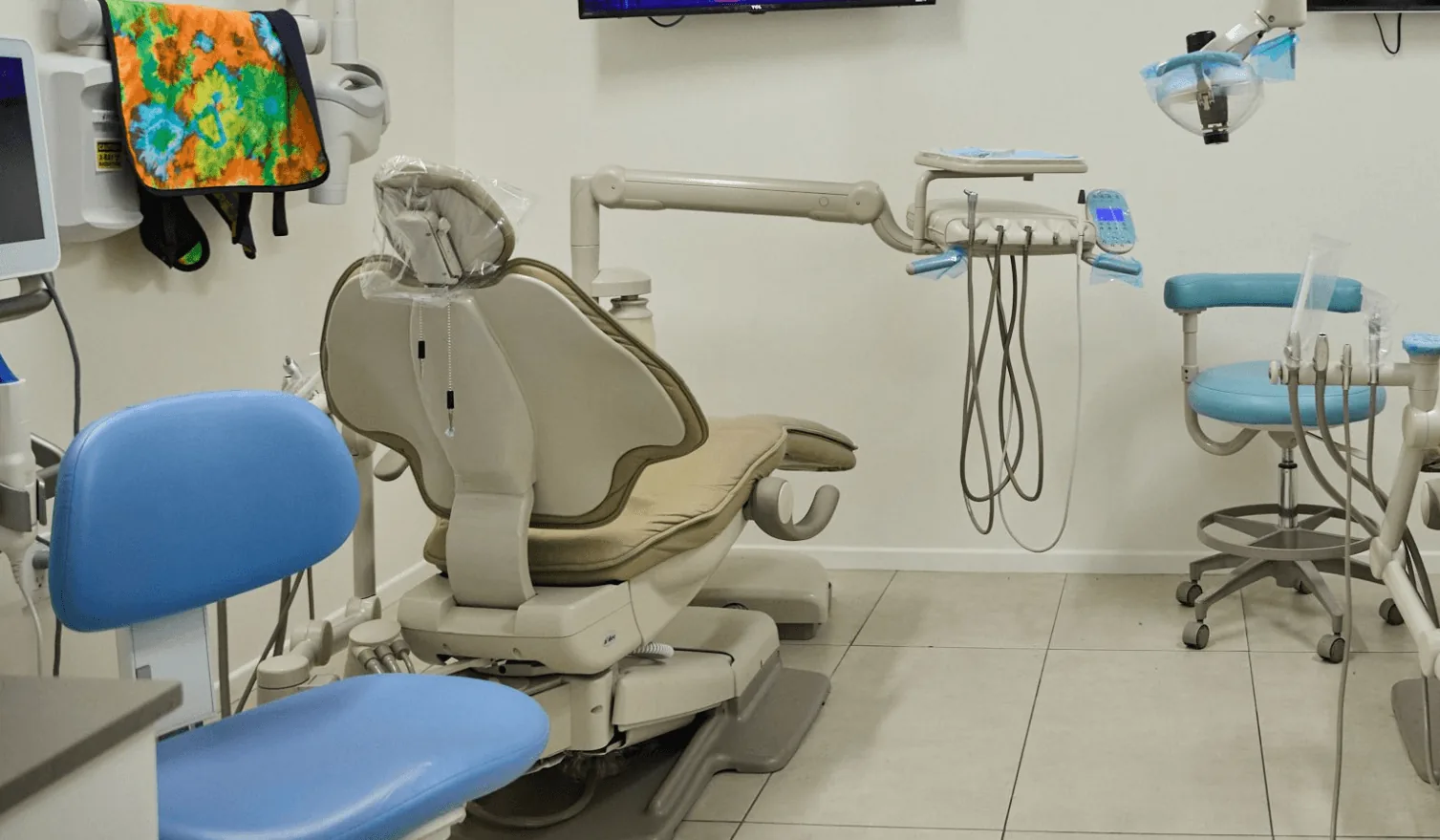
A sudden toothache or broken tooth can disrupt your day fast. If you are searching for how to prepare for a same-day emergency dental visit, you likely want quick relief and clear answers.
At Dentist of Torrance, we offer calm, gentle, and efficient care. Patients receive clear guidance, modern treatment, and support to ease discomfort as quickly as possible.
This guide walks you through what to do before you leave, what to bring, and what to expect. A little preparation can help you feel more in control and get relief sooner.
What is an emergency dental visit?
An emergency dental visit is designed to treat urgent problems that need immediate attention, such as severe pain, infection, or dental trauma. The goal is to quickly relieve discomfort and address the issue before it gets worse.
Common Reasons for Same-Day Dental Appointments
Severe tooth pain is one of the most common reasons for emergency care, and it may signal an infection, a cracked tooth, or an exposed nerve that needs prompt attention. In many cases, early treatment can prevent more serious complications.
Knocked-out or broken teeth also require fast care. When treated quickly, there may be a chance to save the tooth and restore function without more complex procedures.
Lost fillings or crowns can expose sensitive areas and cause discomfort, especially when eating or drinking. These situations often need same-day treatment to protect the tooth and prevent further damage.
Abscesses and infections can spread if not treated, leading to increased discomfort and swelling. Symptoms like fever, swelling, or a bad taste in the mouth should be checked right away.
Accidents and injuries, including bleeding, jaw pain, or damaged teeth, are also considered dental emergencies and should be evaluated as soon as possible.
What to Expect During Emergency Treatment
Your dentist will begin by examining the affected area and asking about your symptoms, including when the pain started and what makes it better or worse. This helps guide a more accurate diagnosis.
X-rays are often used to identify hidden issues, such as infections or fractures beneath the surface. These images allow your dentist to see what is not visible during a standard exam.
Treatment focuses on relieving pain and addressing the problem quickly, which may include starting procedures right away or stabilizing the issue until a follow-up visit.
Local anesthesia is typically used to keep you comfortable during treatment. Your dentist will explain each step and answer any questions so you feel informed throughout the process.
Learn the do’s and don’ts of DIY dental care.
Differences Between Emergency and Routine Visits
Emergency visits focus on immediate relief, while routine visits are designed for prevention and long-term oral health. The priority during an emergency is to resolve the urgent issue as quickly as possible.
Emergency appointments are often scheduled the same day, while routine visits are typically planned weeks in advance. This difference helps ensure urgent needs are addressed without delay.
The exam is more focused during an emergency visit, as the dentist concentrates on the specific problem rather than performing a full cleaning and comprehensive exam.
Costs may vary depending on the urgency and treatment required, so it is helpful to be prepared for possible differences compared to routine care.
Gathering Essential Medical and Dental Information
Having your information ready helps your dentist provide safe and efficient care while reducing delays during your visit.
Details to Share With Your Dentist
Share any medical conditions such as diabetes, heart disease, or high blood pressure, as these can affect your treatment and healing process. Providing this information allows your dentist to adjust care as needed.
Let your dentist know about any allergies, especially to medications or anesthetics. This helps prevent reactions and ensures your safety during treatment. It is also important to mention recent illnesses, surgeries, or pregnancy if applicable, as these factors may influence treatment decisions.
Clearly explain your symptoms, including when they started and what affects them. This information helps your dentist quickly identify the cause of your discomfort.
Bringing Medical History and Insurance Cards
Bring a photo ID and your dental insurance card if you have one, as this helps the office verify your information and process your visit efficiently. If you do not have insurance, bring a form of payment.
If available, bring recent dental records or X-rays, which can give your dentist valuable insight into your oral health history. It is also helpful to have your regular dentist’s contact information, especially if follow-up care or coordination is needed after your emergency visit.
Learn how to handle summer dental emergencies the right way.
Preparing a List of Current Medications
Prepare a list of all medications you take, including prescriptions, over-the-counter drugs, vitamins, and supplements. This ensures your dentist is aware of anything that could affect your treatment.
Include the dosage and frequency for each medication, as this helps prevent interactions with dental procedures or anesthesia. Bring essential items, such as inhalers or emergency medications, with you so they are easily accessible if needed during your visit.
Steps to Take Before Leaving Home
Taking a few minutes to prepare before leaving can improve your comfort and help your appointment go more smoothly.
Managing Pain and Swelling
Over-the-counter pain relievers may help reduce discomfort, and following label directions is important for safe use. These medications can help take the edge off while you travel to your appointment.
A cold compress applied to the outside of your cheek can help reduce swelling and provide temporary relief. Using it in short intervals can make it more effective.
Keeping your head elevated may also ease throbbing pain, especially if you are resting before leaving for your appointment. A gentle warm saltwater rinse may help keep the area clean and provide mild relief, making you more comfortable before treatment.
Temporary Solutions for Dental Emergencies
If a filling or crown is lost, temporary dental materials may help protect the area until your visit. This can reduce sensitivity and prevent further irritation.
If a tooth is knocked out, keeping it moist can improve the chances of saving it. Acting quickly and handling the tooth carefully can make a difference.
For broken teeth, rinsing your mouth and protecting your tongue and cheeks from sharp edges can reduce irritation while you wait for care.
What to Avoid Before Your Visit
Avoid eating or drinking right before your appointment if possible, especially if anesthesia may be used. This helps reduce the risk of complications during treatment. Do not take aspirin, as it may increase bleeding and make treatment more difficult.
Avoid alcohol-based mouthwash before your visit, as it may interfere with certain dental procedures. Do not apply heat to the affected area, since it may worsen swelling or discomfort.
Planning for a Smooth Dental Office Experience
Being prepared for your visit can help reduce stress and ensure you receive timely, effective care.
Arriving On Time and Checking In
Arrive 10 to 15 minutes early so you have enough time to complete paperwork and update your records without feeling rushed. This can make your experience more relaxed. Bring your ID, insurance information, and payment method so check-in is quick and efficient.
Let the front desk know about your symptoms right away so they can prioritize your care appropriately. Keep your phone available in case the office needs to contact you with updates or instructions.
Knowing What Questions to Ask Your Dentist
Preparing a short list of questions can help you better understand your treatment and feel more confident about your care. You may want to ask about your diagnosis, treatment options, expected costs, and any medications you may need after the procedure.
It is also helpful to ask when to return for follow-up care and whether there are any restrictions after treatment. Clear answers can help you feel more prepared and at ease.
After Your Emergency Dental Visit
Understanding your aftercare instructions is important for recovery and long-term oral health.
Receiving Follow-Up Care Instructions
Your dentist will provide guidance on how to care for your mouth after treatment, including medications, oral hygiene, and foods to avoid. Following these instructions supports healing and helps prevent complications.
Be sure to confirm any follow-up appointments before leaving so your recovery stays on track. Writing down instructions can also make them easier to remember.
Arranging Transportation if Needed
Some treatments may affect your ability to drive safely, especially if sedation or strong medications are used. Planning ahead can help you avoid unnecessary stress after your visit.
If needed, arrange for a family member or friend to take you home so you can focus on resting and recovering. This added support can make your experience more comfortable.
Get Fast, Supportive Care When You Need It Most
Preparing ahead can make a meaningful difference during a dental emergency. Knowing how to prepare for a same-day emergency dental visit helps you stay calm, reduce discomfort, and receive care without unnecessary delays.
At Dentist of Torrance, patients receive compassionate, modern care with flexible scheduling for urgent needs. The focus is on comfort, clear communication, and effective treatment tailored to each patient.
If you are experiencing dental pain or an unexpected issue, support is available. Call our Torrance office or request an appointment to receive the care you need in a calm, supportive environment.
Frequently Asked Questions
What should I bring to a same-day emergency dental visit?
Bring a photo ID, your insurance card if available, and a form of payment. It also helps to have a list of medications, any known allergies, and recent dental records or X-rays if you have them.
How can I prepare for a same-day emergency dental visit quickly?
Focus on the basics. Gather your information, manage discomfort with safe options, and avoid anything that could worsen the issue. Knowing how to prepare for a same-day emergency dental visit helps you stay calm and ready.
Should I eat before my emergency dental appointment?
It is usually best to avoid eating right before your visit, especially if treatment may involve anesthesia. This can help reduce the risk of complications and keep you more comfortable.
What if my tooth gets knocked out before I arrive?
Try to keep the tooth moist and handle it carefully. Acting quickly can improve the chances of saving it, so head to your appointment as soon as possible.
Will my emergency dental visit be painful?
Emergency care is focused on relieving pain as quickly as possible. Dentists use numbing techniques and gentle approaches to help keep you comfortable during treatment.
How long does a same-day emergency dental visit take?
The length of your visit depends on the issue being treated. Some concerns can be handled quickly, while others may require additional visits for complete care.
What happens after my emergency dental visit?
You will receive instructions on how to care for your teeth, including medications, oral hygiene, and any follow-up visits. Following these steps supports healing and helps prevent further problems.