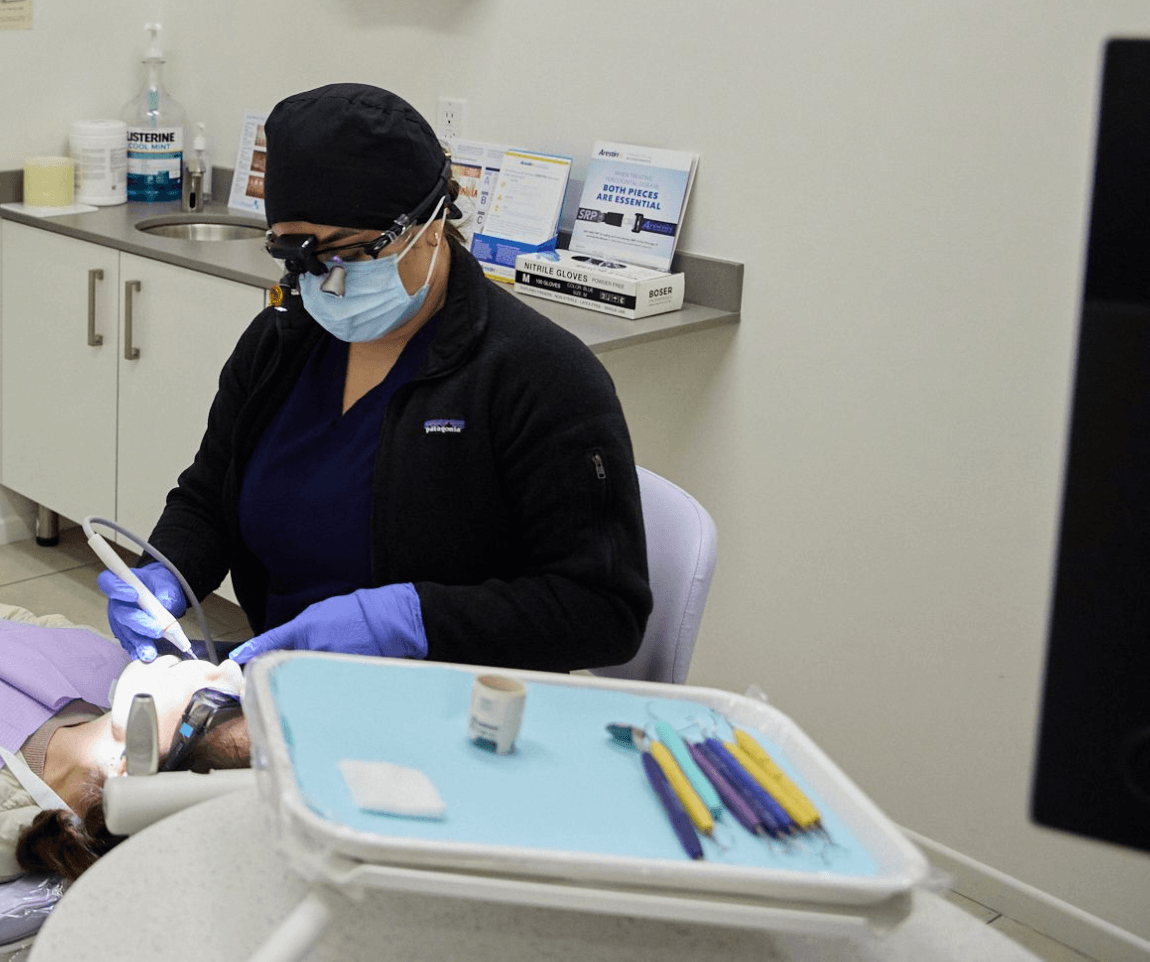
Dental emergencies can be painful, stressful, and hard to predict. Whether it’s a severe toothache, a cracked tooth, or sudden swelling, many patients searching for care need fast answers and relief.
At Dentist of Torrance, we focus on comfort, clear communication, and modern tools that help patients feel at ease during urgent visits. You’ll get straightforward guidance so you can make confident decisions, even in a stressful moment.
Knowing the right questions to ask during an emergency dentist appointment can ease anxiety and help you understand your options. This guide highlights what matters most so you can feel prepared and supported every step of the way.
Essential Questions to Ask Your Emergency Dentist
When you’re facing a dental emergency, asking the right questions helps you stay informed and feel more in control. It also allows you to make confident decisions about your care. These inquiries give you clarity about your diagnosis, what steps to take right away, how urgent your condition is, and which treatment options are available.
What Is Causing My Dental Emergency?
Understanding the cause of your dental emergency gives you a clearer picture of what’s happening. Your dentist should explain whether the issue is due to infection, trauma, decay, or another condition.
Ask which tooth or area is affected and what type of problem is present, such as a crack, abscess, lost filling, or gum concern. This information helps you understand whether the issue could have been prevented and if other areas may be at risk.
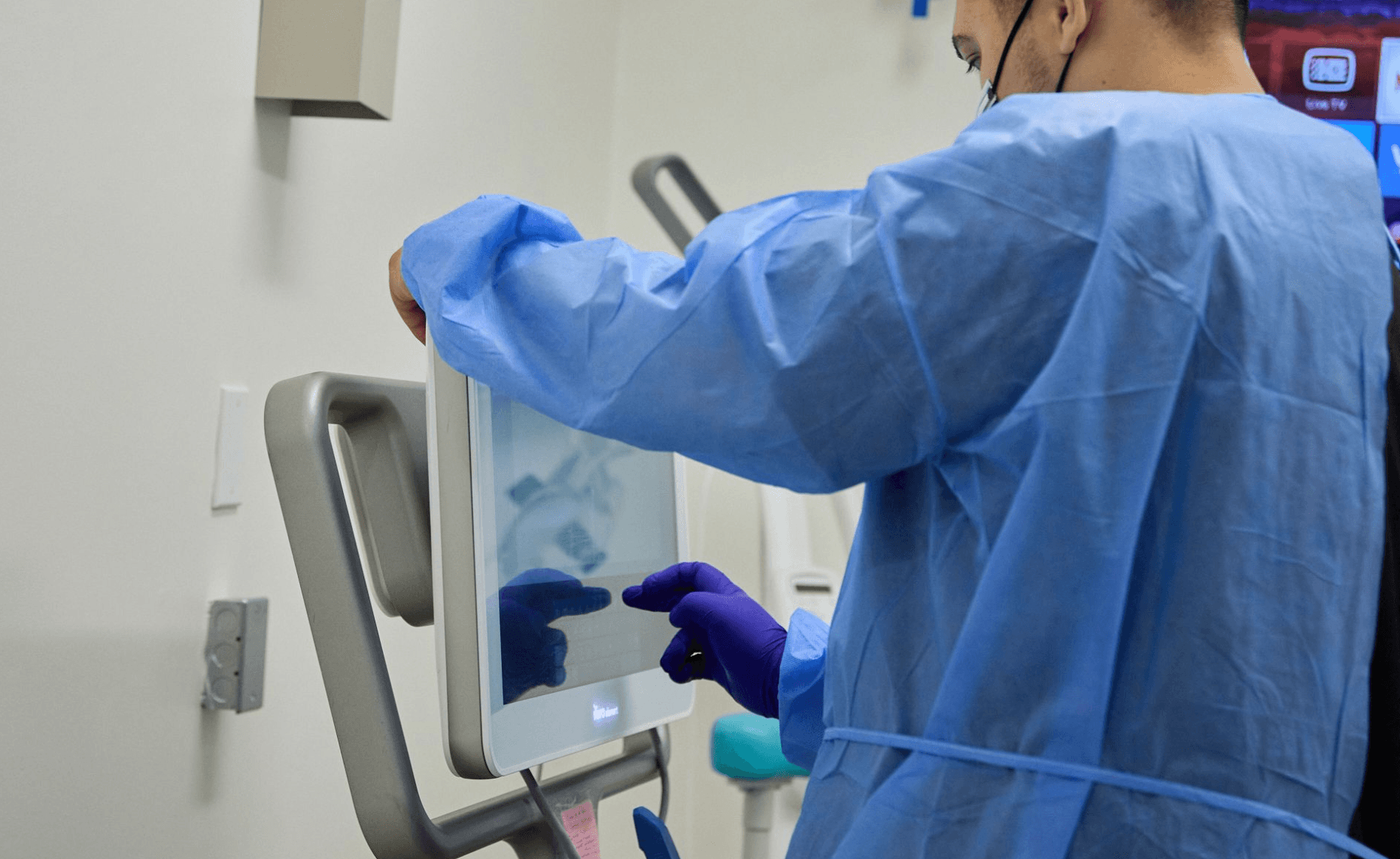
It’s also helpful to ask whether X-rays or additional tests are needed. Knowing why imaging is recommended can make the process feel more transparent and reassuring.
What Immediate Steps Should I Take?
Your dentist can provide guidance on what to do both before and after treatment. These steps are important for managing discomfort and preventing the problem from worsening.
Ask about safe pain relief options, including medications or simple ways to stay comfortable. You should also ask which foods and drinks to avoid, as some can increase sensitivity or irritation.
In addition, find out whether you need to prepare before treatment, such as avoiding certain foods or medications. Clear instructions can help your visit go more smoothly.
Will My Condition Worsen Without Treatment?
Understanding how urgent your situation is can help you decide what to do next. Ask whether delaying treatment could lead to complications or more serious problems.
Infections may spread, and damaged teeth can worsen if left untreated. Your dentist should explain what warning signs to watch for, such as swelling, fever, or increasing pain.
It’s also helpful to ask for a general timeline. Knowing whether your condition needs immediate care or can safely wait a short time can reduce stress and help you plan.
What Treatment Options Are Available Right Now?
Knowing your treatment options allows you to choose what works best for your needs, comfort level, and budget. Your dentist may recommend both immediate solutions and longer-term care.
Ask for details about each option, including how long it will take, what the experience may feel like, how effective it is, the cost involved, and how long recovery might take.
You should also ask whether treatment can be completed in the same visit or if you’ll need to see a specialist. Understanding what happens if you delay or decline treatment can also help you make a more informed decision.
Learn what to do for dental emergencies while on vacation.
Questions About Treatment and Recovery
Clear answers about treatment and recovery help you feel more prepared and make it easier to plan your day. Knowing what to expect can also reduce uncertainty after your visit.
How Long Will The Procedure Take?
Before treatment begins, ask your dentist for a time estimate. Most emergency procedures take anywhere from 30 minutes to two hours, depending on the complexity of the issue.
Simple treatments are usually completed quickly, while more involved procedures may take longer or require additional visits. Understanding the timing helps you plan transportation, work schedules, or family responsibilities.
What Will My Recovery Process Be Like?
Recovery varies depending on the type of treatment you receive. It’s important to ask what you can expect during the first one to two days after your procedure.
You may experience mild soreness, swelling, or temporary sensitivity. Your dentist should explain when you can return to normal eating, which foods to avoid, and how to care for the treated area.
You should also learn what symptoms are normal and which ones may require a follow-up visit.
Are There Any Activities I Should Avoid?
Certain activities may need to be limited while you heal. Ask your dentist if you should avoid exercise, drinking through a straw, smoking, or consuming hot foods and beverages.
Restrictions often depend on the type of treatment you receive. Understanding these limits can help protect the treated area and support proper healing.
It’s also helpful to ask when you can safely return to work, school, or physical activity so you can plan accordingly.
How Can I Manage Pain After Treatment?
Before leaving your appointment, ask about safe and effective pain management options. This ensures you’re prepared and comfortable once you return home.
Your dentist may recommend over-the-counter medications or prescribe something stronger if needed. Cold compresses can help reduce swelling, and gentle care routines may support healing.
Be sure to ask what level of discomfort is normal and when you should contact the office. Knowing what to expect helps you feel more at ease during recovery.
Safety, Costs, and Insurance Considerations
Emergency dental visits can bring up concerns about safety, cost, and insurance coverage. Asking the right questions helps you make informed decisions, even during stressful situations.
What Are the Risks Involved With This Treatment?
Every dental procedure has some level of risk. Ask your dentist to explain possible complications in clear, simple terms, so you understand what to expect.
Common risks may include infection, bleeding, or reactions to anesthesia. Your dentist should also explain what signs to watch for after treatment that may require attention. Having this information helps you feel more confident and prepared as you recover.
What Should I Know About the Costs?
Before treatment begins, ask for a clear estimate of costs. This should include the exam, any imaging, and the procedure itself.
Understanding the total cost ahead of time allows you to plan and avoid unexpected expenses. You can also ask about available payment options if needed. Clear communication about pricing helps you feel more comfortable moving forward with care.
Does My Insurance Cover Emergency Dental Services?
Dental insurance coverage can vary, especially for emergency care. Ask whether your plan covers the visit and what portion of the cost you may be responsible for.
Many dental offices can help check your benefits before treatment. You should also ask whether claims are submitted on your behalf or if you need to handle them yourself. Keeping your paperwork organized can make the process smoother and reduce stress later.
Questions About Follow-Up Care and Prevention
After your emergency visit, it’s important to understand what comes next. Proper follow-up care and preventive habits can support healing and reduce the risk of future issues.
Will I Need a Follow-Up Appointment?
Many emergency treatments require at least one follow-up visit. This allows your dentist to check healing and ensure everything is progressing as expected. Ask when you should return and what signs might mean you need to come back sooner. Having clear instructions helps you stay on track with your recovery.
What Can I Do to Prevent Future Dental Emergencies?
Preventing future dental problems often comes down to consistent daily habits. Brushing and flossing regularly, along with routine dental visits, can help catch issues early.
If you play sports or engage in physical activity, wearing a mouthguard can reduce the risk of injury. Avoiding hard objects and managing habits like teeth grinding can also protect your smile. Small changes in your routine can make a big difference in maintaining long-term oral health.
Discover the do’s and don’ts of DIY dental care.
Questions About Dental Office Policies
Knowing how your dental office handles emergencies can help you feel more prepared and less stressed when urgent situations arise.
What Are Your Hours for Emergency Dental Care?
Ask about availability for emergency visits and whether same-day care is offered. Some offices accept walk-ins, while others require you to call ahead. Understanding how scheduling works can help you act quickly when you need care. It also gives you a better idea of what to expect during urgent situations.
How Do You Handle After-Hours Emergencies?
It’s important to know what to do if a dental emergency happens outside regular office hours. Many offices provide an emergency contact number or instructions for urgent situations.
You may receive guidance over the phone or be directed to seek immediate care if necessary. Clear instructions ahead of time can make a stressful situation easier to manage.
Be Prepared, Stay Calm, and Get the Care You Need
Dental emergencies can feel overwhelming, but asking the right questions helps you stay informed and in control. Understanding your condition, treatment, and recovery can make the experience more manageable and less stressful.
At Dentist of Torrance, care is centered on comfort, clear communication, and modern techniques that support a smooth experience during urgent visits.
If you’re dealing with sudden dental pain or injury, take a moment to ask questions and understand your options. When you’re ready, you can contact our office for emergency dental care and get the support you need with confidence and peace of mind.
Frequently Asked Questions
What are the most important questions to ask during an emergency dentist appointment?
Focus on understanding the cause of your problem, your treatment options, and how urgent your condition is. You should also ask about pain relief, recovery time, and any follow-up care. These questions to ask during an emergency dentist appointment help you feel more in control and ensure you understand what comes next.
Should I go to an emergency dentist right away?
If you are experiencing severe pain, swelling, bleeding, or a knocked-out or broken tooth, it’s important to seek care as soon as possible. Delaying treatment can allow the problem to worsen, especially if an infection is involved. When in doubt, contacting a dental office for guidance is a safe first step.
How can I prepare for an emergency dental visit?
Try to stay calm and gather any helpful information, such as your symptoms, when the issue started, and any medications you are taking. It’s also helpful to bring your dental insurance information and be ready to discuss your medical history. Being prepared can make your visit smoother and more efficient.
Will my emergency dental treatment be painful?
Most emergency treatments are designed to relieve pain, not cause it. Dentists use techniques and medications to keep you as comfortable as possible during the procedure. You may feel mild discomfort afterward, but this is usually temporary and manageable with recommended care.
How long does it take to recover from emergency dental treatment?
Recovery time depends on the type of treatment you receive. Some procedures allow you to return to normal activities the same day, while others may require a few days of healing. Your dentist will explain what to expect and how to care for the area to support a smooth recovery.
Can I prevent dental emergencies in the future?
While not all emergencies can be avoided, good oral hygiene and regular dental visits can reduce your risk. Wearing a mouthguard during sports, avoiding hard foods, and addressing small dental issues early can help protect your teeth and prevent unexpected problems.