Wondering how to tell if you need a dental crown often starts with discomfort. A tooth may hurt when you chew, feel sensitive to hot or cold, or look cracked or worn. These signs can make eating stressful and leave you worried about what comes next.
At Dentist of Torrance, patients often come in unsure whether their tooth needs a filling, a crown, or something else. Clear explanations, gentle care, and modern tools help take the guesswork out of the decision.
This guide explains what a dental crown is, common warning signs, symptoms to watch for, and how dentists decide if a crown is needed. You’ll also learn about alternatives, so you can feel informed and confident about your next step.
What Is A Dental Crown?
A dental crown is a tooth-shaped cap that fits over a damaged or weakened tooth. It restores the tooth’s shape, strength, and appearance, like a protective cover that helps the tooth function normally again. Crowns protect teeth from further damage and can make chewing and smiling feel easier and more confident.
Purpose Of Dental Crowns
You may need a dental crown if your tooth is cracked, chipped, or has a large cavity that a filling can’t support. Crowns also commonly cover teeth after root canal treatment to help keep them strong.
A crown can help stop cracks from worsening by holding the tooth together. Crowns may also be recommended if you grind your teeth and need extra strength.
They can also improve the look of teeth that are stained or misshapen. For some people, a crown helps avoid more complex treatments like extraction or implants.
Common Materials Used
Dental crowns come in several materials, each with different benefits. Porcelain crowns look very natural and blend well with nearby teeth, which can be helpful for front teeth where appearance matters.
Metal crowns, including gold or other alloys, are known for their durability and can last a long time. They are often used for back teeth that handle most chewing pressure. Some crowns combine porcelain and metal, offering a mix of strength and a more natural look.
Signs You May Need A Dental Crown
If your tooth feels weak, damaged, or overly sensitive, a crown may be considered. Understanding how to tell if you need a dental crown often comes down to noticing changes in comfort, strength, and function. Below are common signs that a crown could be the right option.
Severe Tooth Decay
A large or deep cavity can weaken a tooth. When decay becomes significant, a filling may not be enough to support the remaining tooth structure.
A crown covers the tooth and helps protect it from breaking. You may notice pain or sensitivity with hot, cold, or sweet foods. The tooth may also feel rough, thin, or weak. If decay has already caused cracking or a piece to break, a crown can sometimes help preserve the tooth and reduce the chance of needing extraction.
Cracked Or Broken Teeth
Cracks and breaks can make a tooth uncomfortable and more vulnerable to infection or further damage. Even small cracks can lead to sensitivity or pain, especially when chewing.
A dental crown can help hold damaged parts together and protect the tooth underneath. This support can reduce stress on the tooth and help you keep it functional.
You may not always see a crack, so if you feel pain, pressure sensitivity, or a sharp edge, it’s worth having it evaluated.
Worn-Down Teeth
Grinding, clenching, and years of use can wear teeth down. Chewing can start to feel harder, and teeth may look shorter or uneven.
Crowns can restore the natural height and shape of worn teeth. They can also shield the tooth from continued wear. If you grind your teeth, a crown may be recommended to improve comfort and help prevent worsening damage.
Symptoms That Indicate A Crown Might Be Necessary
If you’re dealing with ongoing discomfort or trouble using a tooth, it may be time to consider whether a crown is needed. Paying attention to how a tooth feels during everyday activities can help you understand how to tell if you need a dental crown.
Persistent Tooth Pain
Ongoing tooth pain is a sign that something may be wrong. Pain can be sharp or dull, and it may show up during meals or even when you are not eating.
This can point to a weakened tooth structure, a crack, or deep decay. When pain persists, it usually means the tooth needs support or protection. A crown can cover and stabilize the tooth to reduce irritation and help prevent the problem from getting worse.
Sensitivity To Hot And Cold
If your tooth reacts strongly to hot coffee or cold drinks, the protective layers may be thin or compromised. Sensitivity can happen when the tooth structure is exposed or irritated.
The pain may be quick and sharp, or it may linger after you eat or drink. A crown can rebuild the outer surface and add protection.
Modern techniques and numbing options can make crown treatment more comfortable than many people expect.
Difficulty Chewing
If chewing hurts or you avoid using one side, it’s a sign to pay attention. You may feel discomfort when biting down, or the tooth may feel unstable.
This can happen with cracks, worn enamel, or large fillings that no longer support the tooth well. A crown can restore strength and help you chew without worry.
How Dentists Decide If You Need A Crown
Your dentist will evaluate the tooth’s strength and look for damage. They may use diagnostic tools to see what’s happening below the surface and decide whether a crown is the best option.
You will review choices together, focusing on what helps keep your smile healthy and comfortable.
Dental Examination Process
The exam starts with a close look at the tooth and the surrounding area. Your dentist checks for cracks, chips, decay, or wear that could weaken the tooth.
If you have sensitivity or pain when biting, that information helps guide the decision. The dentist may gently test the tooth to see how it responds. They also check your bite and how your teeth fit together. This helps determine whether a crown is needed and how it should be shaped.
Imaging And Diagnostic Tools
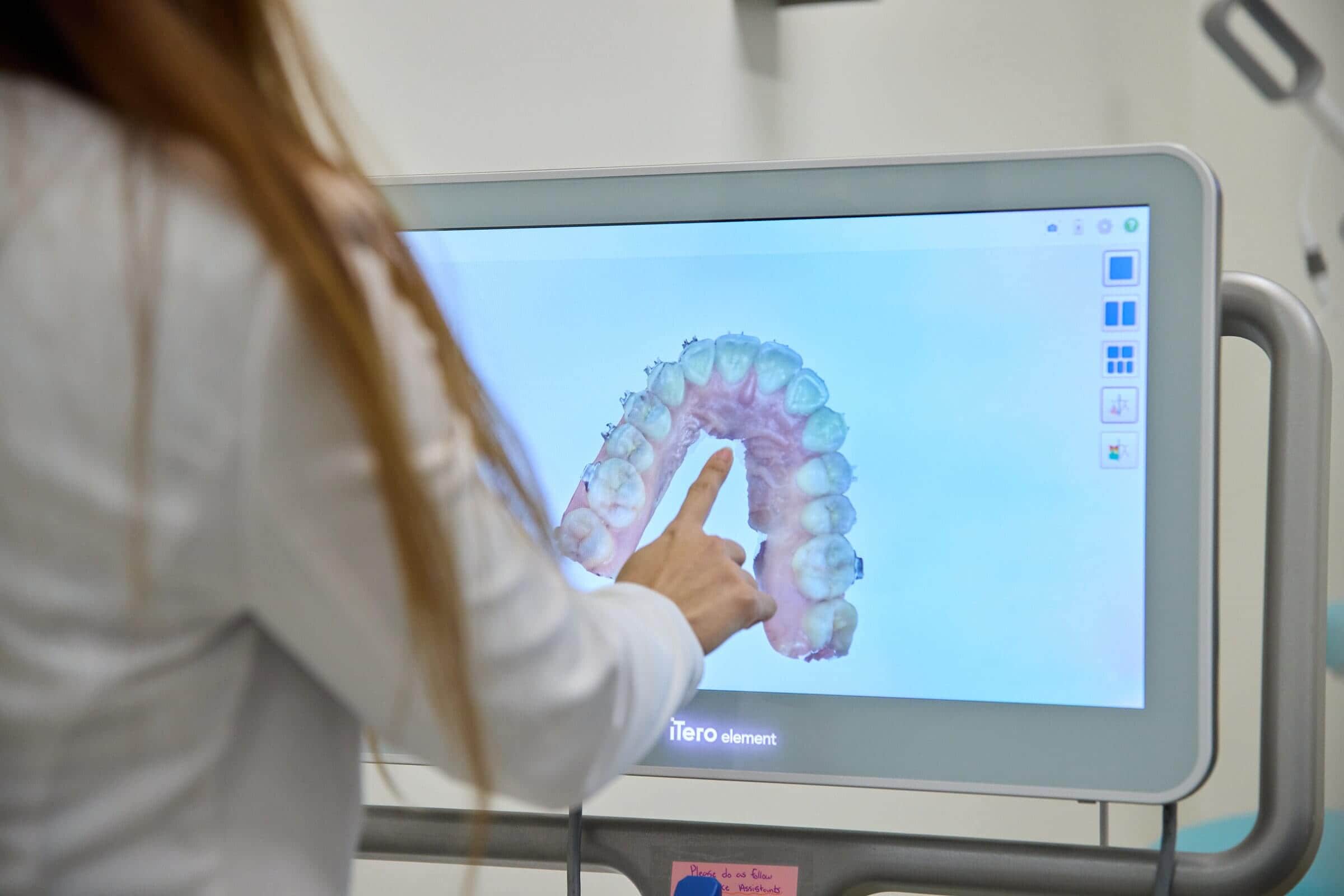
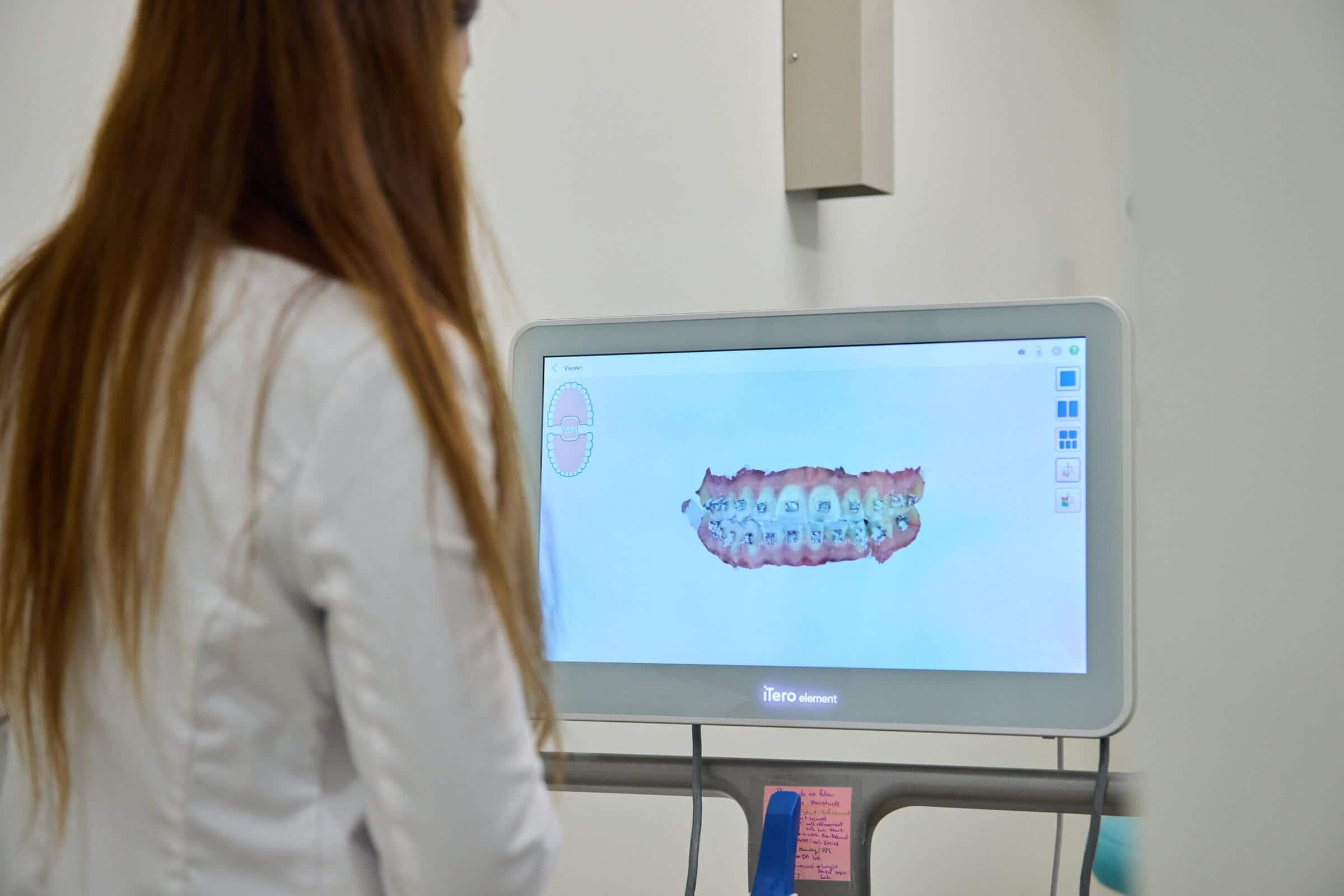
X-rays or digital scans may be used to find damage that isn’t visible during an exam. Imaging can show the roots, supporting bone, deep decay, or hidden fractures.
If decay is close to the pulp or if the tooth structure is compromised, a crown may be recommended to protect the tooth. These tools help your dentist plan treatment carefully and explain what they see in a clear way.
Consultation And Recommendations
After the exam and imaging, your dentist will explain the findings and discuss whether a crown makes sense or if another option fits better.
They will review crown types and what the process typically looks like. You can ask questions, talk through comfort concerns, and make a plan that feels right.
Alternatives To Dental Crowns
Depending on the type and size of damage, there may be alternatives to crowns. Some options treat smaller areas and preserve more of the natural tooth.
Dental Fillings
Fillings are commonly used for small cavities or minor damage. They repair areas affected by decay and help stop it from spreading.
Composite resin fillings can blend with your tooth color for a natural appearance. If most of your tooth is healthy, a filling can be a simple fix.
However, fillings do not cover the entire tooth. If there is a large crack, extensive decay, or weak tooth structure, a crown may be more reliable.
Veneers
Veneers cover the front surface of teeth and are often used for cosmetic concerns like stains, small chips, or minor shape changes.
Unlike crowns, veneers do not cover the back and sides of the tooth. That means they are not usually used for serious damage or teeth that need full support.
Veneers can be a good fit when the tooth is mostly healthy and you want a cosmetic improvement with some added surface protection.
Inlays And Onlays
Inlays and onlays sit between fillings and crowns. They repair damage on the chewing surface when a filling isn’t enough, but a full crown may not be needed.
An inlay fits within the biting surface. An onlay covers one or more cusps or a larger portion of the chewing area.
They are custom-made and bonded to the tooth. This approach can preserve more natural tooth structure while still adding strength and protection.
Relief Starts With The Right Protection
Tooth pain, sensitivity, or trouble chewing can make everyday life uncomfortable. Understanding how to tell if you need a dental crown helps you address problems early and protect your tooth before damage worsens.
At Dentist of Torrance, care focuses on relieving discomfort, strengthening weakened teeth, and helping you feel at ease throughout treatment. Crowns are recommended only when they support long-term comfort and oral health.
If a tooth is bothering you, call our Torrance Office or request an appointment to talk through your options in a calm, pressure-free way.
Frequently Asked Questions
What Are The Signs That I Might Require A Dental Crown?
You may need a crown if your tooth is cracked, worn down, or has a large cavity. Teeth that have had root canals are often crowned for extra support. If you notice sensitivity, pain when chewing, or visible damage, schedule an exam so it can be evaluated.
What Factors Do Dentists Consider Before Recommending A Crown?
Dentists consider how much natural tooth is left and whether it can safely support a filling. They also look at where the tooth is located and how much chewing pressure it takes. Your overall oral health and habits like grinding or clenching can also affect the recommendation.
Is There Discomfort Associated With Getting A Dental Crown?
You may feel pressure during the shaping step, but local anesthesia is used, so you should not feel pain. After the visit, mild soreness or sensitivity can happen, but it often improves quickly.
How Do Dental Crowns Compare With Fillings?
Fillings work well for smaller areas of decay or minor damage. Crowns cover the entire tooth and provide stronger support when more structure is missing. Crowns can also be helpful in heavy chewing areas because they add protection to weakened teeth.
What Should I Expect When Preparing A Tooth For A Crown?
Your dentist removes damaged or decayed areas and shapes the tooth so the crown can fit properly. Then, impressions or digital scans are taken to create a custom crown. A temporary crown is placed to protect the tooth until the permanent crown is ready.
Why Would A Tooth That Doesn’t Hurt Still Need A Crown?
A tooth can be weak even without pain. Small cracks or structural loss may not always cause symptoms right away. A crown can help prevent future breakage and may reduce the chance of more involved treatment later.