Choosing how to choose between braces and Invisalign can feel stressful, especially if you’re worried about comfort, visibility, or keeping up with your daily routine.
At Dentist of Torrance, we keep things simple and patient-focused, with modern tools and clear explanations so you feel informed and supported from the first visit.
This guide breaks down how each option works, who each tends to fit best, and what to expect for comfort, cleaning, timing, and cost. Keep reading to make a confident choice that works for your smile and your life.
Understanding Braces And Invisalign
Picking the right teeth-straightening option starts with knowing what each one does and what sets them apart. Both braces and Invisalign move teeth, but the methods and materials are very different.
Knowing these details can make choosing between braces and Invisalign feel clearer. You’ll understand what each option requires and what day-to-day life may look like.
What Are Braces?
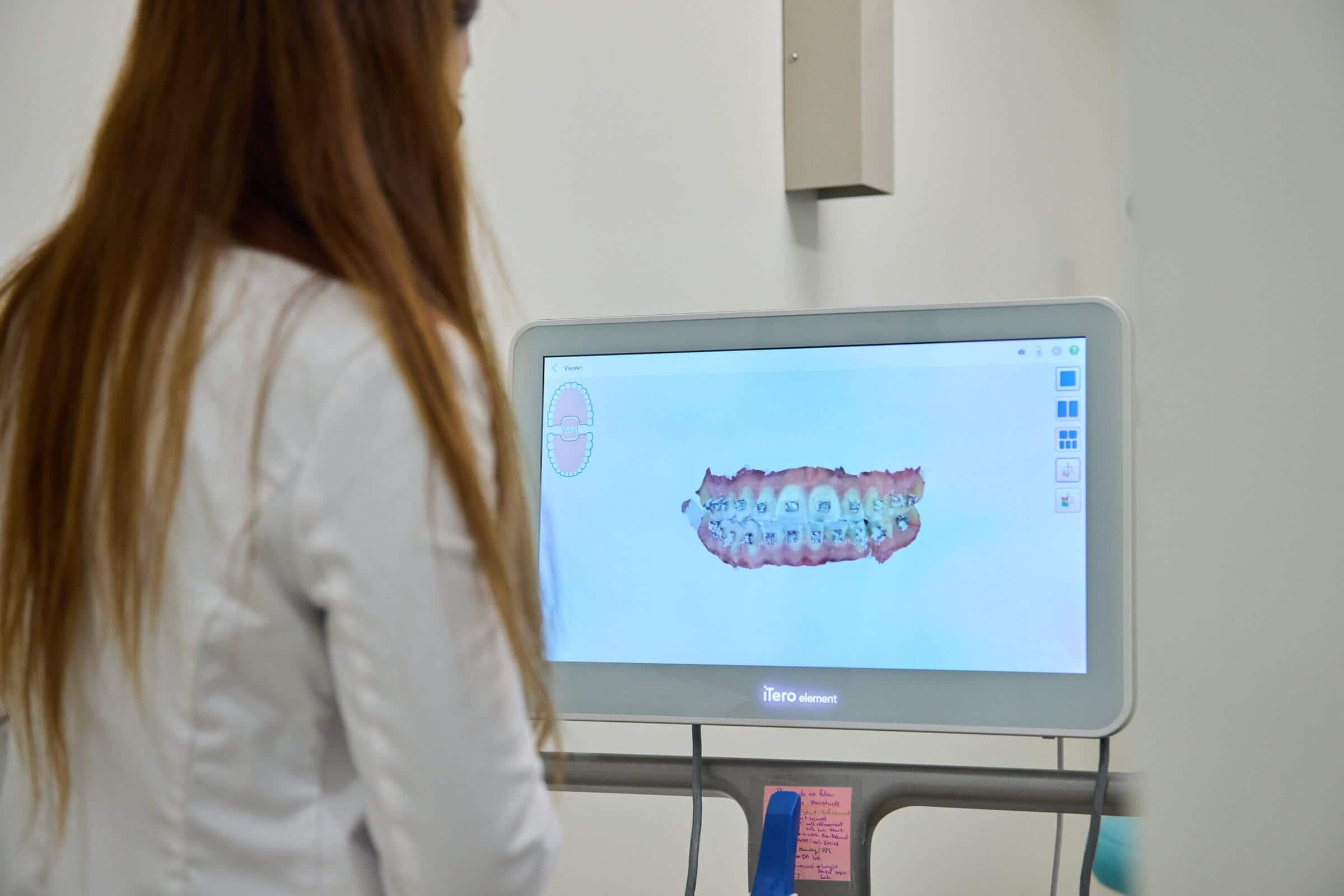
Braces use small brackets attached to your teeth. These brackets connect with wires that gently pull teeth into place over time.
Most braces are metal, but there are ceramic or porcelain options that blend in better. Braces stay on your teeth full-time until treatment is complete.
They’re strong and can treat many dental issues, from crooked teeth to bite problems. The first few days may feel uncomfortable, and you’ll have regular adjustments every few weeks to keep progress moving.
What Is Invisalign?
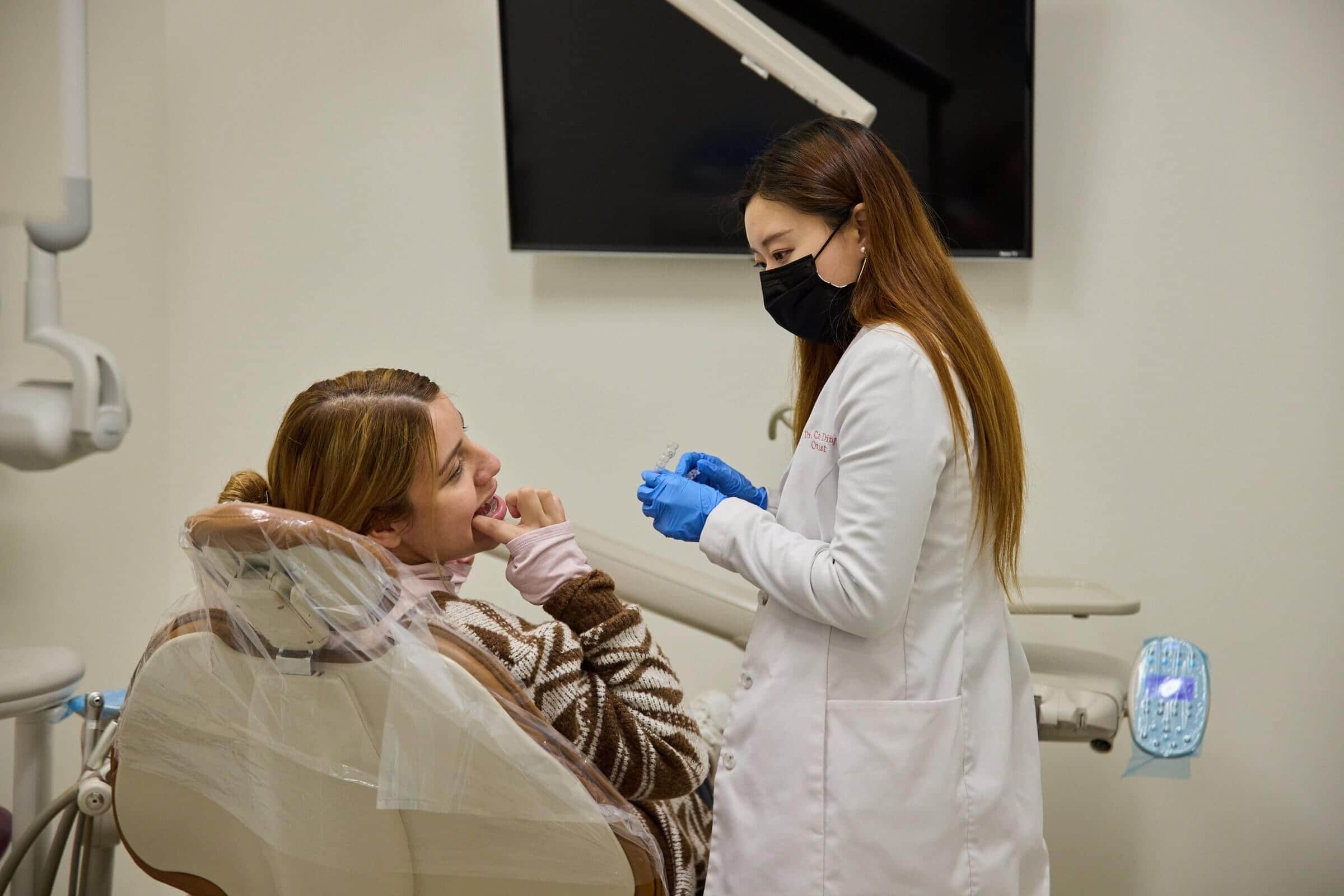
Invisalign uses a series of clear, removable aligners that fit snugly over your teeth. They’re made from smooth plastic, so they’re less noticeable than braces.
You receive new sets every one to two weeks, and each set slowly shifts your teeth. You can remove the trays to eat, brush, or floss, which makes keeping your mouth clean much easier.
You do need to wear the aligners about 20–22 hours a day for the best results. Consistency matters with clear aligners.
How They Work
Braces use brackets and wires to apply constant pressure. This steady force moves your teeth into better positions over time.
Your orthodontic provider adjusts the wires regularly to guide movement. Invisalign uses custom trays that fit your teeth closely, and each tray is slightly different to nudge teeth toward the next step.
Both methods take time, often several months to a few years, depending on your needs. Regular visits to monitor progress are an important part of treatment.
Key Differences Between Braces And Invisalign
Visibility
Braces use metal or ceramic brackets that are visible when you smile or talk. Ceramic can blend in more, but it is still noticeable.
Invisalign trays are clear and fit closely to the teeth. For many people, this is a big reason why choosing between braces and Invisalign can feel personal.
Removability
Braces are fixed in place, so they work around the clock. You don’t have to remember to put anything back in.
Invisalign is removable for eating and cleaning. That flexibility is helpful, but it also means you must stay committed to wearing the aligners as directed.
Comfort
Braces can cause irritation at first because brackets and wires may rub the cheeks. Soreness is common after adjustments.
Invisalign is smooth plastic and often feels gentler. You may still feel pressure when switching to a new set, but it’s usually temporary.
Cleaning
Brushing and flossing can be harder with braces because food can collect around brackets and wires. Many people use floss threaders and small brushes to help.
With Invisalign, you remove the trays and brush and floss normally. You’ll also need to clean the aligners daily to avoid buildup and odors.
Treatment Range
Braces can treat complex problems because they offer strong, controlled movement. They can handle many bite issues and larger shifts.
Invisalign is often best for mild to moderate cases. Some bite concerns can be treated, but more complex needs may require braces or added attachments.
Effectiveness For Different Dental Needs
Choosing how to choose between braces and Invisalign depends on the dental issues you want to correct. Both can straighten teeth, but they shine in different situations.
Age, bite patterns, and how much movement is needed can all influence which option is more effective for your goals.
Treating Mild To Severe Cases
If your teeth need a small to moderate change, Invisalign may work well. Custom aligners can gently shift crowding or spacing, and you can remove them for meals and cleaning.
For more severe crowding, rotation, or complex alignment, braces often work better. The constant force and detailed control can help with bigger movements and long-term correction.
Addressing Bite Issues
Bite problems like overbite, underbite, or crossbite often need careful correction. Braces usually handle these well because they can move teeth in multiple directions with strong control.
Invisalign can treat some bite issues, especially mild to moderate ones, and may use attachments for added precision. For more serious bite concerns, braces may be recommended more often.
Suitability For Teens And Adults
Both braces and Invisalign can work for teens and adults. Braces can be a great choice for teens because they stay in place and keep working even if someone forgets.
Many adults like Invisalign because it’s low-profile and easy to remove for meetings or social events. Still, how to choose between braces and Invisalign often comes down to responsibility and routine.
Appearance And Comfort Compared
Choosing between braces and Invisalign often comes down to how you want your smile to look during treatment and how you want to feel day to day.
Both options can be comfortable with time, but each creates a different experience during meals, cleaning, and social moments.
Visibility And Aesthetic Impact
Braces are noticeable, especially metal brackets. Ceramic braces can be less obvious, but they are still visible at close range.
Invisalign trays are clear and usually hard to spot. If a discreet look matters to you, this may weigh heavily in how to choose between braces and Invisalign.
Day-To-Day Comfort
With braces, the mouth may feel sore at first, and the cheeks can be irritated. Many people adjust, and discomfort tends to lessen.
Invisalign aligners are smooth and custom-fit. Pressure is common with a new set, but irritation is often less than with brackets and wires.
Oral Hygiene Considerations
Braces require more effort to keep clean. Food can stick around brackets, so careful brushing and flossing are important.
Invisalign makes brushing and flossing easier since the trays come out. You still need to clean the aligners daily to keep them clear
and fresh.
Lifestyle And Maintenance Factors
When thinking about how to choose between braces and Invisalign, consider your daily routine. Meals, sports, and schedule habits can make one option feel easier than the other.
Maintenance also matters. Some people prefer a set-it-and-forget-it approach, while others like flexibility and control.
Eating And Drinking Restrictions
With braces, you’ll avoid hard, sticky, or crunchy foods that can break brackets or bend wires. Popcorn, nuts, and chewing gum often cause problems.
With Invisalign, you remove aligners before eating, so you can keep a normal diet. You’ll want to brush before putting trays back in to avoid trapping food and increasing cavity risk.
Hot or strongly colored drinks with aligners in can stain or warp trays. Braces don’t stain the same way, but sugary drinks can raise
cavity risk with either option.
Impact On Daily Routines
Braces stay on full-time, so you don’t have to remember to wear them. You may spend more time brushing, and a mouthguard matters for contact sports.
Invisalign requires commitment to wear aligners 20–22 hours a day. You’ll remove them for meals and clean your teeth before putting them back in.
Both options change routines, but in different ways. Braces are less hands-on daily, while Invisalign depends more on your habits.
Maintenance And Cleaning
Braces need careful cleaning around brackets and wires. Regular visits for adjustments help keep treatment on track.
Invisalign requires daily aligner cleaning and strong brushing and flossing habits. Keeping both teeth and trays clean helps protect your enamel during treatment.
Cost And Treatment Duration
Cost and timing often influence how to choose between braces and Invisalign. Prices vary based on case complexity and the type of materials used.
Treatment length also depends on the amount of movement needed and how closely you follow the recommended plan.
Pricing Differences
Braces often cost between $3,000 and $7,000. Metal braces are usually the most affordable, while ceramic options may cost more.
Invisalign often runs about $4,000 to $8,000 because aligners are custom-made. The final cost depends on how complex your correction is and how many aligners you need.
Some offices offer payment plans to make treatment more manageable over time. Asking about options can help reduce stress around cost.
Insurance Coverage
Many dental plans cover part of the cost for braces since they are a common orthodontic treatment. Coverage for Invisalign varies by plan.
If your plan includes orthodontic benefits, it may reduce out-of-pocket costs. Checking your benefits early can help you compare costs more confidently.
Estimated Treatment Timeline
Braces often take 18 to 24 months, though more complex cases can take longer. Adjustments every 4–6 weeks help guide movement.
Invisalign is often around 12 to 18 months for many mild to moderate cases. You’ll switch aligners every week or two, and you’ll need to wear them consistently to stay on schedule.
Both options include follow-up visits so your provider can track progress and make changes when needed.
Making The Right Choice For You
If you’re weighing how to choose between braces and Invisalign, focus on your dental needs, lifestyle, and what feels manageable long term.
Your preferences matter, but so does what will safely and effectively move your teeth into the right positions.
Consulting With Your Orthodontic Provider
A conversation with your orthodontic provider is one of the smartest steps you can take. They’ll evaluate your bite, alignment, and jaw health to recommend an option that fits your needs.
They can also explain how long each option may take, what maintenance looks like, and what results you can reasonably expect.
Personal Priorities To Consider
Ask yourself what matters most. Do you want something discreet? Do you want the ability to remove trays for eating and cleaning?
If you play sports or an instrument, you may consider how each option feels day to day. If you tend to misplace things, braces may feel simpler since they stay in place.
Budget and insurance also matter. Comparing benefits can help you decide what makes sense financially and practically.
Long-Term Results And Commitment
Both braces and Invisalign can deliver straighter teeth with good planning and follow-through. Braces stay on, so there’s no risk of forgetting them.
Invisalign depends on you wearing aligners as directed. After treatment, a retainer helps maintain results, no matter which option you
choose.
Keeping regular checkups and following professional advice is what protects your progress and supports a stable, healthy bite.
Choosing A Comfortable Path Forward
Deciding how to choose between braces and Invisalign often comes down to comfort, visibility, and how treatment fits into your daily life. Both options can straighten teeth safely, but the right one should feel manageable, not overwhelming.
At Dentist of Torrance, we focus on gentle care, modern tools, and clear guidance so you never feel rushed or unsure about your options. Your comfort and confidence matter at every step.
If you’re ready for clarity without pressure, request an appointment or call our Torrance Office to talk through your options and find a plan that feels right for you.
Frequently Asked Questions
What Are The Cost Comparisons Between Braces And Invisalign?
Braces often cost less than Invisalign. Metal braces typically have a lower upfront cost, while Invisalign may cost more due to custom aligners and planning.
Insurance may help with either option, but coverage varies. Checking your plan can clarify what you may owe.
What Are The Pros And Cons Of Braces Versus Invisalign?
Braces can treat complex cases and work 24/7. They are more noticeable and can make cleaning harder.
Invisalign is discreet and removable for meals and brushing. It requires wearing aligners 20–22 hours a day, and complex bite issues may respond better to braces.
How Does Treatment Time Compare Between Braces And Invisalign?
Braces often take 18 to 24 months. Invisalign can be similar, and mild cases may finish sooner. Not wearing aligners consistently can extend Invisalign treatment. Regular visits help keep timing realistic.
Which Is More Suitable For Teenagers, Braces Or Invisalign?
Braces are often used for teens because they stay on and keep working without reminders. Invisalign can work for responsible teens who will wear aligners as directed. Some teens prefer the look and feel of clear trays.
What Should One Expect From Before And After Results Of Braces And Invisalign?
Both options can create straighter teeth and a healthier-looking smile. Before treatment, scans or X-rays help map out your plan. After treatment, wearing a retainer helps hold results in place. This step is important for long-term stability.
Why Might Some Dentists Not Recommend Invisalign?
Invisalign is not the best fit for every case. Complex bite issues or certain types of tooth movement may respond better to braces.
Some people also struggle to wear aligners for enough hours per day. For a lower-maintenance approach, braces may make more sense.