Wondering how long modern dental crowns last for Torrance patients and whether yours will fail too soon? Many people worry about pain, repeated dental visits, or needing another crown sooner than expected. Those concerns are common, especially if a tooth was already cracked, sensitive, or heavily worn.
At Dentist of Torrance, we hear these questions every day. Patients want relief, durability, and clear answers without feeling overwhelmed. Modern crowns are designed to protect weak teeth, reduce discomfort, and hold up well with normal daily use.
This article explains how long today’s dental crowns typically last, what affects their lifespan, and how simple habits can help you avoid problems. You’ll also learn what signs to watch for and when to check in with your dentist.
Average Lifespan Of Modern Dental Crowns In Torrance
Modern dental crowns can last for many years with basic care. How long modern dental crowns last for Torrance patients depends on a few key factors, like the crown material and daily dental habits.
Understanding these points helps set realistic expectations. Not every crown lasts the same amount of time, and that is normal.
Factors Affecting Crown Longevity
Your daily habits and oral care play a big role in how long a dental crown lasts. Brushing twice a day and flossing daily helps protect both your crown and your natural teeth.
Avoid biting into very hard or sticky foods to help prevent chips or loosening. Your bite also matters. Teeth grinding can wear crowns down, so a nightguard may help if you clench at night.
Regular dental checkups help your dentist catch small issues before they turn into bigger problems. Staying consistent with these basics makes a real difference.
Comparison Of Crown Materials
Dental crowns come in several materials, and each affects how long the crown lasts and how it looks. Porcelain crowns often look most like natural teeth. With good care, they commonly last 15 to 30 years.
Metal crowns, including gold, are very durable and can last even longer, but they do not blend in with natural teeth. Zirconia crowns are another strong option and often last 20 years or more with good care.
Here’s a quick comparison:
Material | Typical Lifespan | Appearance | Strength |
Porcelain | 15 - 30 years | Natural look | Moderate |
Metal | 20+ years | Metallic | Very strong |
Zirconia | 20+ years | Tooth-colored | High |
Your dentist can help you pick what fits your smile and lifestyle. Often, it comes down to what matters most to you: appearance, strength, or both.
Realistic Expectations For Torrance Patients
Most modern dental crowns last at least 10 to 15 years, and with good care, they may last much longer. Crowns help protect weak teeth, but even strong crowns can wear over time.
It is important to see your dentist regularly so they can check the fit and condition. When a crown fails, common causes include decay near the edge or a fracture from biting down too hard. Staying proactive helps you avoid surprises.
Proper Care For Long-Lasting Dental Crowns
Taking care of dental crowns helps them stay strong and look natural for years. It comes down to simple habits and knowing what to avoid.
Daily Oral Hygiene Tips
Brush twice a day with a soft toothbrush to keep crowns and natural teeth healthy. Fluoride toothpaste helps prevent decay around the crown’s edges, where bacteria can collect.
Floss gently every day, and avoid snapping floss under the crown. If standard floss feels tricky, an interdental brush or water flosser may be easier.
An antiseptic mouthwash can help reduce plaque. And do not skip regular dental checkups. Catching problems early is easier than dealing with a broken crown later.
Foods And Habits To Avoid
Chewing hard foods like nuts, ice, or hard candies can crack or chip crowns, so it is best to avoid them. Sticky candy like caramel or taffy may loosen a crown over time.
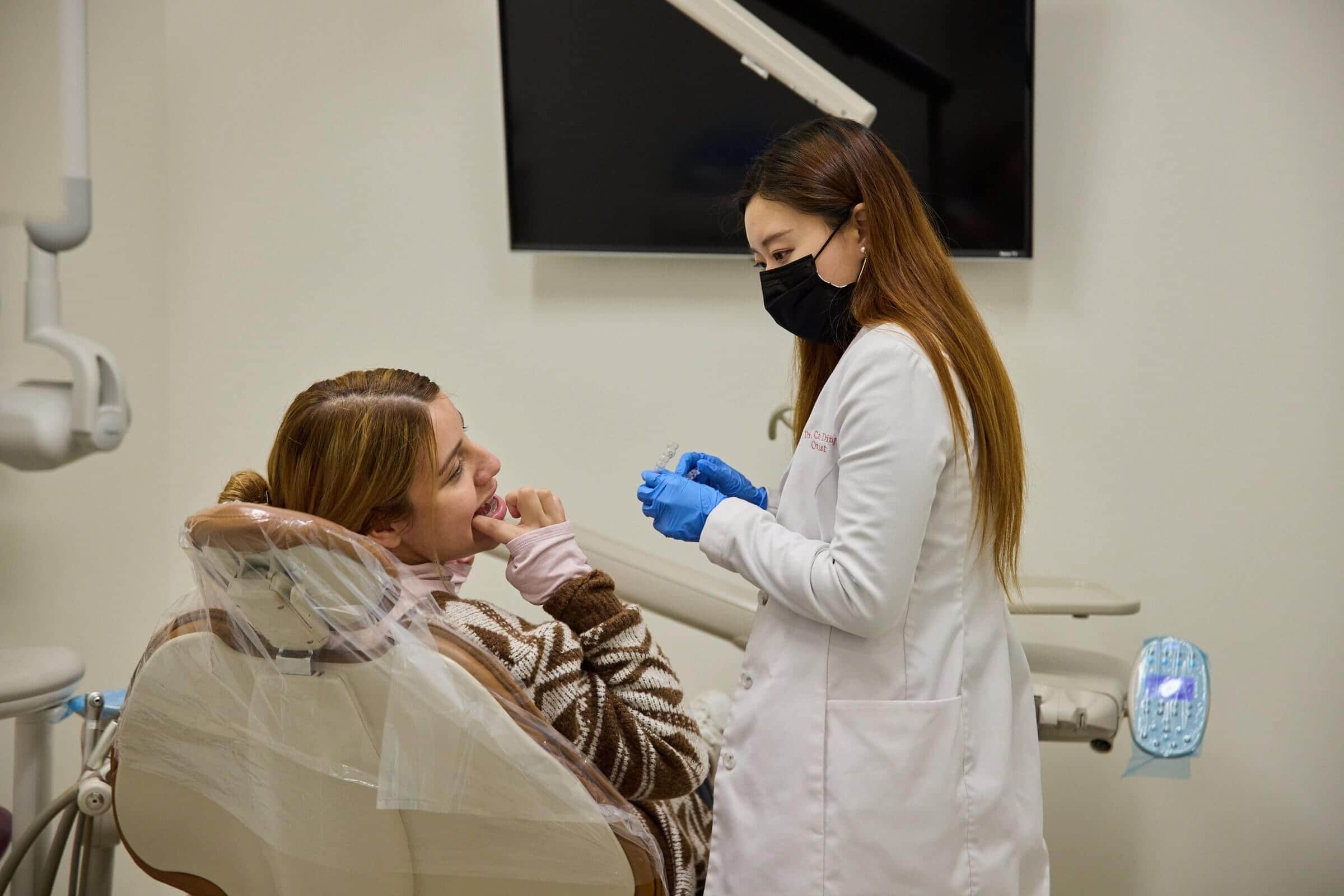
If you grind or clench your teeth, that can be tough on crowns. A custom nightguard can help protect crowns and natural teeth. Chewing pens or biting nails can also stress crowns. Small habits add up.
Common Reasons For Early Dental Crown Replacement
Even though dental crowns are made to last, sometimes they need replacement sooner than expected. Decay, gum concerns, or accidents can shorten a crown’s lifespan.
Decay And Gum Issues
Decay can develop under a crown if bacteria slip in at the edges, especially if the seal weakens. If decay forms, you may notice pain or sensitivity, and the crown may need replacing sooner.
Gum issues around a crown are another common problem. Red, puffy gums or gum recession can expose the edge of the crown, making plaque easier to build up. Good oral hygiene and regular cleanings can help a lot.
Accidents And Unexpected Damage
Crowns are strong, but accidents happen. Biting something hard or getting hit in the mouth can chip or crack a crown. If the damage is severe, the crown may loosen or come off.
Sometimes wear or injury makes a crown feel loose. If you notice a wobbly crown or pain, contact your dentist soon. Early care is usually simpler.
Choosing The Right Dental Crown In Torrance
Picking the right dental crown depends on your needs and lifestyle. Consider how the crown looks, how tough it is, and how it feels in your mouth. There are more options than ever, and it helps to understand what each material offers.
Popular Material Options
Porcelain crowns are popular because they look like natural teeth, which can be helpful for front teeth. Porcelain is strong, but it can chip if you bite down on something very hard.
Metal crowns tend to last a long time and handle heavy chewing, but they do not match tooth color. Many people choose them for molars that do not show when they smile.
Porcelain-fused-to-metal crowns combine strength and a natural look. The metal inside adds support, while the porcelain outside blends better. In some cases, a darker line may show near the gums, but it can be a dependable choice.
Working With Local Dentists
Working with a local dentist means care that is tailored to you. They can walk you through options and help you choose what fits your smile, budget, and daily habits. With modern tools, they can also check that your crown fits well and feels comfortable.
Follow-up visits help your dentist monitor the crown and answer questions. Supportive care helps the experience feel less stressful and keeps your smile healthier long-term.
What To Expect When A Dental Crown Needs Replacement
Dental crowns are not permanent, and replacement can be needed to protect your tooth and gums. Knowing what to watch for helps you respond early.
When replacement is needed, the process is usually straightforward. The goal is to protect the tooth underneath and restore a secure fit.
Signs Your Crown Is Failing
A crown may feel loose or wobbly if the cement wears down or if the tooth underneath changes. Pain or sensitivity when biting, or with hot and cold foods, can also be a sign that something needs attention.
Visible chips or cracks are another red flag. Dark lines near the edge, or gums that swell or bleed around the crown, matter too. If you notice these changes, call your dentist.
Replacement Process Overview
Your dentist starts with an exam to check the crown and the tooth. If the crown needs removal, it is taken off carefully. If there is damage or decay underneath, that is treated before a new crown is made.
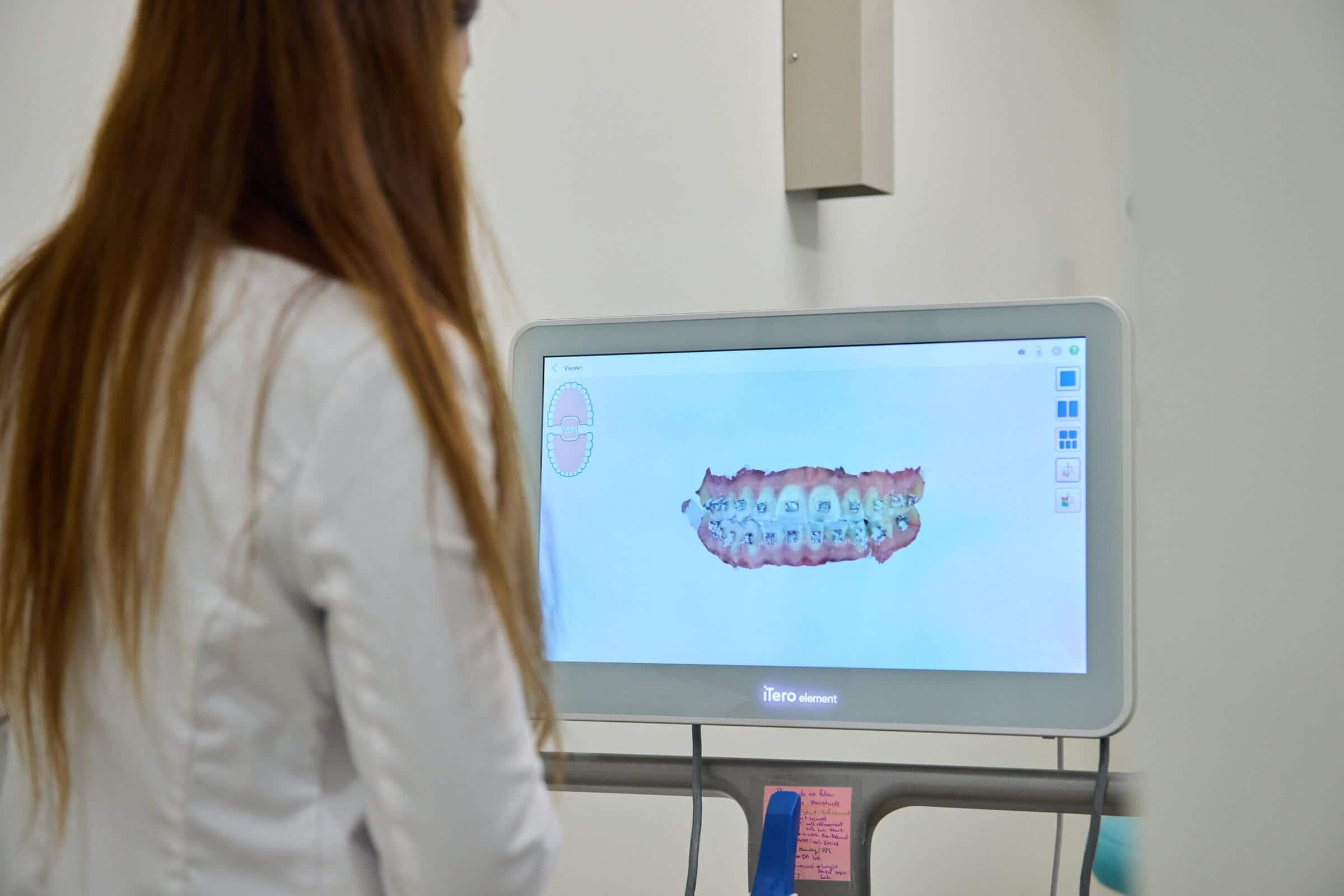
Next, an impression is taken, often with a digital scan or a traditional mold. A temporary crown protects the tooth while the new crown is made. When the permanent crown is ready, it is fitted, adjusted, and cemented in place. If you feel nervous, let your dental team know so they can help you feel comfortable.
Protect Your Tooth And Avoid Future Dental Pain
Dental crowns help reduce pain, protect weak teeth, and restore normal chewing. When they fit well and are cared for properly, they can support comfort and function for many years.
At Dentist of Torrance, we focus on gentle care, modern tools, and clear guidance so you are not left guessing. Our goal is to help you avoid repeat dental work and catch small issues before they become painful.
If you notice sensitivity, pressure when biting, or a loose crown, do not wait. Call our Torrance Office or request an appointment to get answers and relief in a calm, supportive setting.
Frequently Asked Questions
What's The Average Lifespan Of A Dental Crown?
Most crowns last between 10 and 15 years. With good care, some last 20 years or more. Regular checkups help keep your crown in good shape.
Can Dental Crowns Wear Out Over Time?
Yes. Crowns can chip, crack, or loosen over time, especially if you grind your teeth or bite down on hard foods.
Is There An Age Where Getting A Dental Crown Isn't Advisable?
There is no set age limit for crowns. It depends on your oral health and how well you can care for your teeth. Your dentist can guide you based on your needs.
What Type Of Crown Is Recommended For The Back Teeth, Such As Molars?
Porcelain-fused-to-metal or full metal crowns are often recommended for molars because they are strong and handle chewing forces well.
Should I Expect A New Crown To Alleviate My Toothache?
If tooth pain is caused by damage or decay under an old crown, a new crown may help. But pain can come from other causes, so your dentist will check the tooth first.
How Does A Dental Crown Compare To A Veneer In Terms Of Longevity?
Crowns often last longer than veneers because they cover the entire tooth and provide more protection. Veneers mainly improve appearance and often last around 10 years, though results vary.