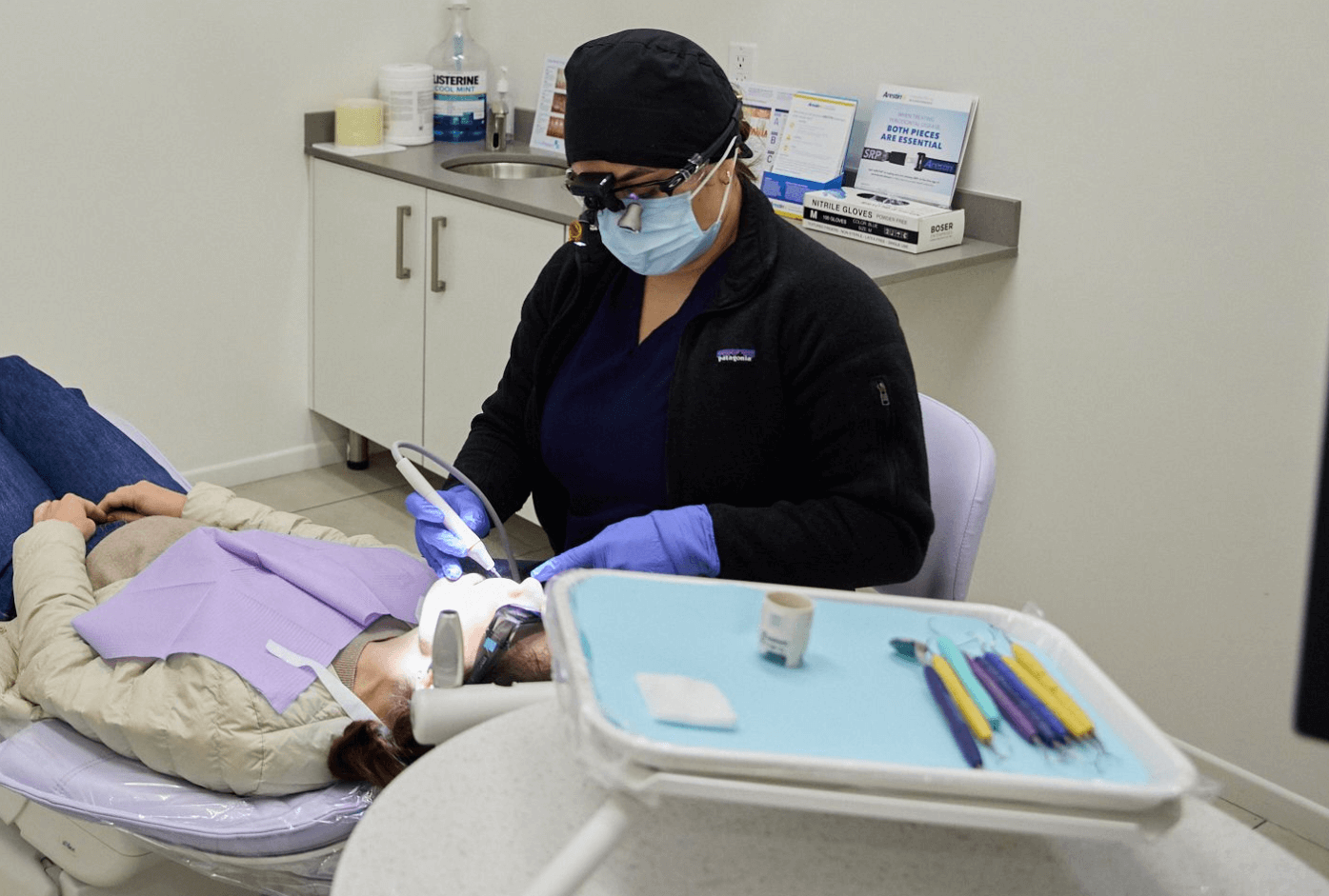
If you’ve been told you may need a root canal, it’s normal to worry about pain and the unknown. Many people search for what happens during gentle root canal treatment because they want relief without a stressful visit.
At Dentist of Torrance, we focus on calm, comfort-first care with modern tools and clear, simple explanations. You’ll know what’s happening and why, so you can feel more in control.
This page walks you through what the treatment is, why it’s recommended, what to expect step by step, and how recovery typically feels. You’ll also find quick FAQs to help you plan your next move with confidence.
What Qualifies As Gentle Root Canal Treatment?
A gentle root canal treatment removes infection or damage inside your tooth without causing extra pain or stress. The dentist’s goal is to safely remove the infected tissue from the root canals.
Then, they fill the canals to protect your tooth from further problems. This procedure helps you avoid tooth loss and keeps your smile healthy.
It also stops pain and swelling caused by infection. The use of techniques and tools designed to make treatment as gentle as possible helps you feel calm and cared for during the process.
Common Reasons For The Procedure
You might need a root canal if your tooth has deep decay, cracks, or an infection in the pulp (the inside soft tissue).
These problems can cause pain, sensitivity, or swelling around the tooth. If untreated, the infection can spread and cause more damage.
Root canal treatment removes the source of infection, relieving pain and saving the tooth. People also choose this treatment when a tooth feels loose or darkened, or if an X-ray shows a problem inside. Early care helps avoid more serious pain or costly treatment later on.
Key Differences From Traditional Root Canals
Gentle root canals use modern tools and techniques to make the procedure less painful and quicker. For example, your dentist might use small, flexible files and digital imaging to work precisely.
This helps reduce trauma to tissues and speeds recovery. Unlike traditional root canals, gentle treatments often include special numbing methods and calming steps to lower anxiety.
The focus is on making you feel supported and stress-free, not just on the technical work. These improvements help preserve more of your natural tooth and reduce the chance of complications after treatment.
Step-By-Step Process Of A Gentle Root Canal
During a gentle root canal, your comfort is the top priority while removing the infection and saving your tooth.
Each step uses modern tools and careful techniques to make the treatment as smooth as possible. You’ll know what to expect, helping you feel calm and supported throughout.
Pre-Treatment Consultation
Before the root canal, you’ll meet with the dentist to review your dental health and symptoms. This visit helps the dentist understand the problem, usually a damaged or infected tooth causing pain or sensitivity.
You can ask questions, and the team will explain your options clearly to help you feel comfortable about the procedure. During this visit, X-rays may be taken to see inside your tooth and plan the best approach.
You will learn how the root canal will relieve your pain and what aftercare will involve.
Numbing And Comfort Techniques
Once you return for treatment, your dentist will ensure you feel no pain. Local anesthesia is applied to numb the area around your tooth.
The team uses gentle injection methods to reduce discomfort during numbness delivery. To increase your comfort, modern tools might be used, such as dental lasers or microscopes, which allow precise work with less irritation.
Throughout the process, the dentist checks in with you to make sure you feel at ease. You can also mention any anxiety or special comfort needs before the procedure.
Removal Of Infected Tissue
Your dentist will carefully create a small opening in the top of your tooth. This gives access to the infected pulp inside the root canals.
Using tiny, specialized instruments, the infected tissue and bacteria are gently removed. The canals are then cleaned and shaped to prevent further infection.
Your tooth is rinsed with an antimicrobial solution for extra care. After cleaning, the canals are filled with a safe, rubber-like material to seal the space.
This step stops new bacteria from entering and helps preserve your tooth’s structure.
Modern Technology And Techniques Used
Root canal treatment today uses smart tools to make the process easier and gentler. You can expect effective pain control, less disturbance to your tooth, and accurate work to protect your smile.
Advanced Anesthesia Methods
You won't feel much during your treatment because of advanced anesthesia techniques. Dentists now use precise numbing injections that target only the tooth area, which means less total numbness. This helps you stay comfortable without feeling a big “numb face.”
Electronic devices often help guide the anesthesia, adjusting the dose slowly to avoid discomfort. Cold sprays or gels may be applied first to ease the injection feeling.
These thoughtful methods make the whole experience calmer and more gentle, so you can relax knowing your comfort is the priority.
Minimal Invasive Tools
Special tiny instruments designed to work inside your tooth with care are used. These thin files and rotary tools clean the infected area while removing as little of the healthy tooth as possible. This approach keeps your tooth strong and helps it heal better.
The tools are made with safe metals that bend easily, which allows the dentist to reach curved parts of your tooth canals. This means less force is needed, and the process feels smoother. You’ll appreciate how minimal the effort feels compared to older methods.
Digital Imaging For Precision
Digital X-rays and 3D scans show your dentist exact pictures of your tooth’s inside. These images make it easier to find all the infected spots and avoid surprises during the treatment.
The technology also reduces exposure to radiation compared to older X-rays. It helps your dentist plan the treatment carefully, so you get precise, focused care. Knowing your dentist has a clear view means you can feel confident in the process and results.
Recovery And Aftercare
After a gentle root canal treatment, you can expect some mild discomfort and simple steps to support healing. Your care during this period helps protect your tooth and keeps you comfortable.
Post-Treatment Sensations
It’s normal to feel some soreness or mild pain in the treated area for a few days. You might notice sensitivity to hot or cold, but this usually fades within a week. Avoid chewing on that side until the numbness wears off to prevent accidental biting.
If swelling or sharp pain lasts more than a few days, contact your dentist. Over-the-counter pain relievers can help manage discomfort. Your tooth might feel a little different, but this is part of the healing process and will settle down.
Tips For A Smooth Recovery
Keep your mouth clean by gently brushing and flossing without disturbing the treated tooth. Rinse with warm salt water to reduce swelling and promote healing. Stick to soft foods like yogurt, soup, and mashed potatoes during the first few days.
Avoid hard, crunchy, or sticky foods that could damage your tooth or the temporary filling. Staying hydrated and resting will also help your body recover. If recommended, take all prescribed medications as directed.
Follow-Up Appointments
Your dentist will schedule a follow-up visit to check how your tooth is healing and to place a permanent crown or filling. This visit is important to restore full function and protect the tooth long-term.
If any problems arise, such as ongoing pain or swelling, don’t wait to call your dentist. Keeping these appointments ensures your treated tooth stays healthy and strong over time.
Benefits Of Choosing Gentle Root Canal Treatment
Choosing gentle root canal treatment helps protect your natural tooth while reducing discomfort. It also supports faster healing and lowers anxiety by using modern techniques designed just for your comfort.
Less Pain And Anxiety
Gentle root canal treatment focuses on keeping you calm and comfortable. Your care team uses numbing methods and advanced tools that minimize pain during the procedure. This means less soreness afterward and a smoother experience overall.
Many patients feel nervous about root canals, but gentle care helps reduce this worry. The team explains every step so you know what to expect. You won’t feel rushed or pressured, which can ease your fears and make the visit less stressful.
Also, the use of special equipment allows for precise work with minimal discomfort. This can make a big difference if you’ve had bad dental experiences before.
Improved Tooth Preservation
One of the main benefits of a gentle root canal is saving your natural tooth. Removing the infection inside the tooth and restoring it with a crown means your tooth can keep working like before. This helps you chew and speak normally.
Keeping your tooth also protects the surrounding teeth. It prevents the shifting and extra wear that often happens when a tooth is removed.
Saving your natural tooth supports your overall oral health and helps maintain your smile’s appearance.
Faster Healing Times
Gentle root canal treatment can help your mouth heal more quickly. Because the procedure causes less trauma to the tissues, swelling and soreness tend to be milder and go away sooner.
When your tooth is restored promptly after the treatment, it lowers the risk of infection coming back. This helps you get back to your daily life faster.
The care team also gives clear aftercare instructions to support healing. Following these tips helps your tooth stay healthy and lets you enjoy your normal routine with less discomfort.
Feel More At Ease About Your Next Step
Now that you understand what happens during gentle root canal treatment, you can feel more prepared and less stressed.
When done with comfort-focused methods, treatment supports better function, confidence, and prevention by saving your natural tooth.
At Dentist of Torrance, the goal is gentle, modern care with clear communication and flexible, emergency-friendly scheduling.
If you think you may need care, request an appointment to talk through your symptoms in a calm, pressure-free way.
Frequently Asked Questions
What Should I Expect In Terms Of Discomfort During A Gentle Root Canal Procedure?
You can expect minimal discomfort because comfort-focused techniques clean your tooth thoroughly without harsh drilling. Many patients report feeling little to no pain during the procedure.
How Does The Cost Of A Gentle Root Canal Compare To Traditional Methods?
The cost can be higher than traditional root canals because of advanced technology and comfort features. However, the improved experience and thorough cleaning can mean fewer follow-up visits and less chance of complications.
What Are The Differences Between Comfort-Focused And Conventional Root Canal Treatments?
Comfort-focused care may clean more deeply using advanced rinsing and precision tools, reaching parts of the tooth that are hard to clean with traditional methods. This often means a shorter treatment time and less discomfort.
How Long Is The Recovery Time After Undergoing A Gentle Root Canal?
Recovery time’s usually pretty quick. Most people get back to their normal activities the same day, or maybe just a few days later. You might notice some mild tenderness, but honestly, it’s often less bothersome than what you’d feel after a conventional root canal.
Where Can I Find A Dental Clinic That Offers Gentle, Comfort-Focused Root Canal Treatment?
This type of care is available at dental offices that prioritize modern technology and patient comfort. If you’re looking for this gentle, advanced option, check out clinics that highlight innovative care for your smile.
Are There Any Common Complaints From Patients Who Have Had A Gentle Root Canal?
Most people seem satisfied, though a few mention some mild soreness after the procedure. That discomfort tends to fade pretty quickly and feels less intense than what you'd get with a standard root canal.