Tooth pain that won’t go away, sensitivity to hot or cold, or a deep ache when you bite can make it hard to eat, sleep, or focus. Understanding the early signs you might need a root canal can help you act before that pain turns into a true dental emergency with more complex treatment.
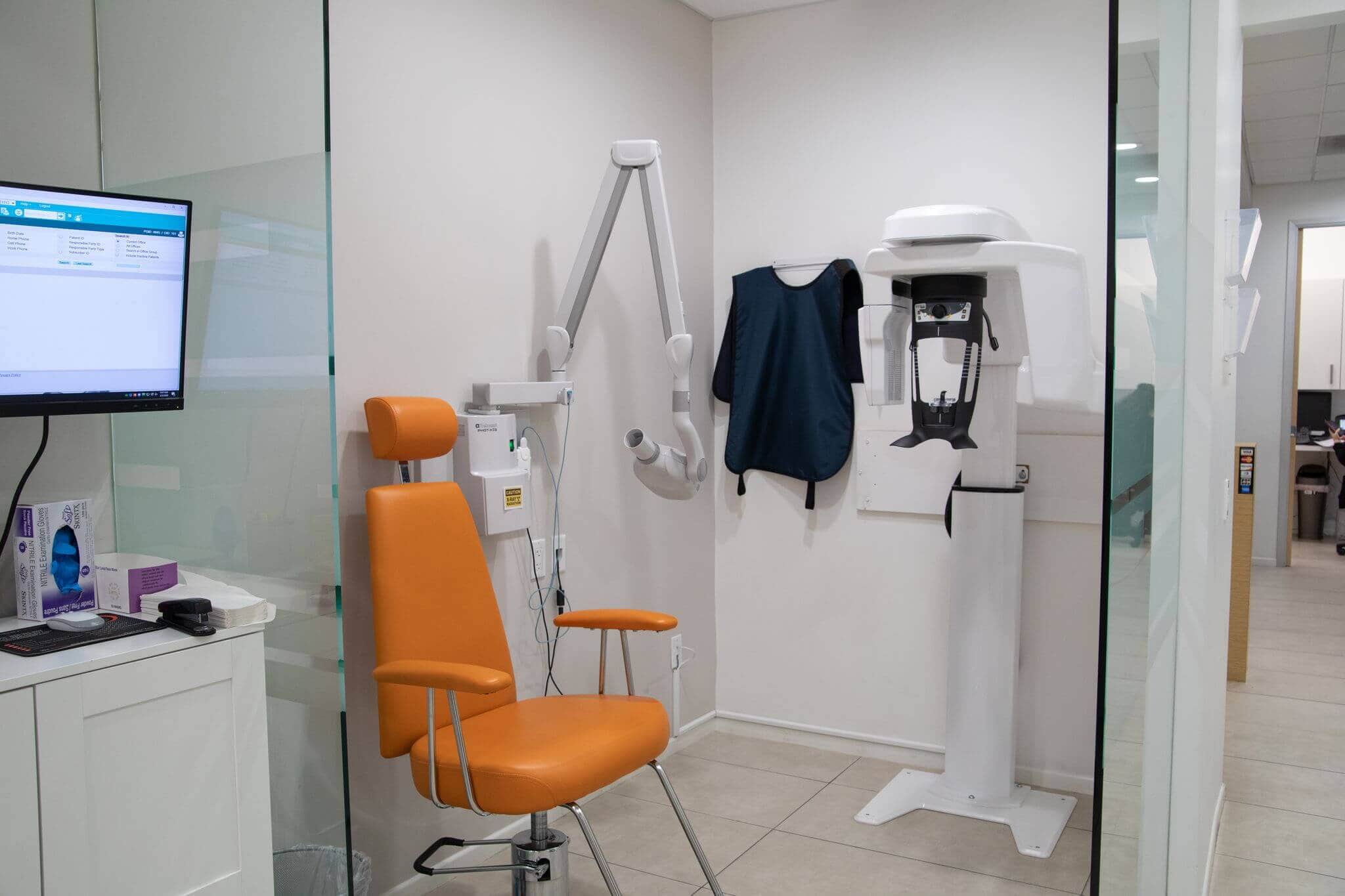
At Dentist of Torrance, we know how stressful tooth pain can feel, especially when you’re not sure what it means. We use gentle exams, clear digital X-rays, and simple explanations so you understand what’s going on and what your options are.
In this guide, you’ll learn the early signs you might need a root canal, why catching them early matters, how dentists confirm what’s wrong, and what to expect if you do need treatment. Keep reading to feel more prepared and less worried about your next step.
What Is a Root Canal Treatment?
A root canal is a dental procedure to remove infected or damaged pulp inside a tooth. The pulp contains nerves and blood vessels, and when it gets infected, you might feel pain or swelling.
During the treatment, the dentist cleans out the infected pulp, shapes the inside of the root canals, and fills them with a special material. This stops the infection and keeps your tooth intact.
Afterwards, your dentist usually places a crown on the tooth to protect it and restore its strength. Until then, the tooth is more fragile, so you’ll want to avoid putting too much pressure on it, maybe skip the jawbreakers for a bit.
Common Reasons for Root Canal Therapy
You might need a root canal if you notice:
Persistent tooth pain or sensitivity, especially to hot or cold
Swelling or tenderness near the tooth
Darkening of the tooth’s color
A small bump on your gums near the tooth
These signs usually mean that the tooth’s pulp is infected or damaged. Deep cavities, cracks, or injury to the tooth often cause this. If left untreated, the infection can spread and cause worse pain or even tooth loss.
How Root Canal Procedures Help Save Teeth
Root canal treatment lets you keep your natural tooth instead of pulling it out. Removing the infected pulp stops pain and halts the spread of infection.
After the procedure, your tooth can function normally again with the help of a crown placed by your dentist. This crown acts like a strong cap, protecting the treated tooth from damage.
Modern tools make the process gentle and precise, which helps reduce discomfort and speed healing. You can expect detailed guidance and care to keep you comfortable through every step. Your comfort always comes first, or at least it should.
Recognizing Early Warning Signs
When your tooth needs a root canal, you might notice a few early warning signs that shouldn’t be ignored. These signs often start mild but can grow worse. Paying attention early can help you get the care you need before more damage happens.
Persistent Tooth Pain
One of the most common early signs you might need a root canal is ongoing tooth pain. This pain can range from mild to strong, but usually doesn’t go away on its own.
You might feel a constant ache or sharp bursts of pain, especially when chewing or biting down. Sometimes, the pain spreads to your jaw, ear, or head.
If the pain lasts for several days or keeps coming back, it could mean that the nerve inside your tooth is damaged or infected. At this point, a root canal can relieve the pressure and save your tooth. Don’t wait for the pain to become severe before seeking help. Honestly, it’s not worth the risk.
Tooth Sensitivity to Hot or Cold
If your tooth suddenly becomes very sensitive to hot drinks, cold foods, or even air, it could be a sign of nerve damage. Normally, sensitivity is short-lived, but when it lasts longer than usual or causes sharp discomfort, it's a red flag.
This sensitivity happens because the pulp inside your tooth may be inflamed or infected. Drinking something hot, like coffee or eating ice cream, might cause a sharp or throbbing pain. Noticing this early can help your dentist treat the problem before it worsens.
Swelling and Tenderness in the Gums
Swelling or tenderness around the tooth and gums near the affected area are signs of infection. Your gums might look red, puffy, or feel sore to the touch.
Sometimes, a small bump or pimple-like blister can appear on the gum, which may leak pus. This swelling means the infection has spread beyond the tooth pulp into the surrounding tissues.
It should not be ignored because infections can grow and cause more serious health problems. Warm saltwater rinses can ease discomfort, but you should schedule a visit with your dentist to address the cause.
Discoloration of the Tooth
A tooth that starts to look darker than the others could be signaling damage inside. Discoloration might vary from yellow to gray or even brown.
This change happens when the tooth’s inner layers are losing their blood supply or becoming infected. Unlike stains from food or drinks, this deep discoloration does not go away with brushing.
If you notice this kind of color change alongside other symptoms like pain or sensitivity, it’s important to have it checked. Early treatment can help keep your smile healthy and avoid more complex care later.
Other Symptoms That May Indicate You Need a Root Canal
You might not always feel sharp pain, but there are signs that something deeper is wrong with your tooth. These symptoms can help you spot trouble before it becomes more serious. Paying attention to these signs can help you get care that protects your smile.
Prolonged Sensitivity After Eating or Drinking
If your tooth stays sensitive long after you eat or drink, especially with hot, cold, or sweet foods, this could mean the nerve inside is irritated. Normal sensitivity should go away quickly.
When it lingers, it might signal damage or infection inside the tooth. You may notice this sensitivity even if there isn’t severe pain.
This can happen early on, before other symptoms appear. If left untreated, the sensitivity may worsen or turn into a sharp, constant ache.
Pimple or Bump on the Gums
A small bump or pimple-like sore on your gum near a tooth can be a sign of infection under the surface. This bump may release fluid or pus as your body tries to fight a tooth infection.
This is a red flag for a root canal because the infection in the tooth root can spread to the gum. If you see this, it’s important to see a dentist soon.
Deep Decay or Darkening of Gums
When a tooth has deep decay that reaches the inner layers, the surrounding gums might change color or look swollen. Darkening near the gum line can show infection or tissue damage.
This isn’t just a cosmetic change; it can mean the decay has reached the nerve, increasing the need for a root canal. Healthy gums usually look pink and firm, so any darkening or unusual color is worth getting looked at.
Why Early Detection Matters
Catching signs of a root canal need early helps you avoid bigger dental problems. Acting quickly can stop pain and protect your tooth from damage.
Understanding what to look for puts you in control of your oral health.
Preventing Further Complications
When a tooth infection goes untreated, it can spread to nearby teeth or gums. This may cause abscesses, swelling, or even bone loss around the tooth.
These issues often lead to more complex and costly treatments later on. Early treatment can stop the infection before it worsens.
It helps keep your natural tooth strong and avoids problems like tooth loss. You also lower the chance of needing surgery or long-term antibiotics.
Paying attention to symptoms like tooth sensitivity, prolonged pain, or discoloration lets you get help sooner. A quick visit to your dentist can prevent these complications from growing.
Benefits of Early Root Canal Intervention
Starting root canal treatment early usually means less discomfort during and after the procedure. The infection is easier to clean out, making healing faster.
This also reduces time away from work or school. Early care helps preserve more of your natural tooth structure.
That means your tooth stays functional for biting and chewing. It also improves how long your tooth lasts compared to waiting too long.
When to See a Dentist
Knowing when to visit your dentist can help you avoid more serious problems. Pay close attention to changes in your teeth or mouth that could signal a root canal is needed. Early action keeps your smile healthy and prevents additional discomfort.
Evaluating Dental Symptoms
If you experience tooth pain that lingers or worsens, that’s a sign to check in with your dentist. Pain when biting or chewing, swelling around a tooth, or sensitivity to hot or cold can also suggest an issue inside the tooth.
Other signs include darkening of a tooth or tenderness in the gums near a specific tooth. Sometimes, a bad taste or smell in your mouth lasts even after brushing.
These symptoms could mean the pulp inside your tooth is irritated or infected. Don’t wait for pain to become severe. Early care offers better results and helps keep your tooth.
How Dentists Diagnose Root Canal Needs
During your visit, the dentist will start with a detailed exam. They often use X-rays to see inside your tooth and check for infection or damage to the roots.
Testing your tooth’s sensitivity to cold or heat helps understand the pulp condition. Your dentist may gently tap the tooth to see if it causes pain or discomfort.
This helps reveal how deep the problem goes. Sometimes, they will check the gums for swelling or signs of infection.
Relief From Tooth Pain Starts With Early Action
Catching the early signs you might need a root canal can spare you from intense pain, infection, and more complex treatment later. When you listen to ongoing tooth pain, sensitivity, swelling, or discoloration, you protect your comfort, your bite, and your long-term oral health.
At Dentist of Torrance, we focus on gentle exams, clear answers, and modern root canal care designed to ease pain and save your natural tooth whenever possible. We also offer flexible scheduling so you can be seen quickly when symptoms start to affect your day.
If tooth pain or sensitivity is starting to worry you, you do not have to wait for it to become unbearable. Call our Torrance office or request an appointment to get answers, feel heard, and take the next step toward real relief.
Frequently Asked Questions
What are the early warning signs that I might require a root canal treatment?
You may feel pain when biting or chewing. Sometimes, your tooth might become dark or discolored. Swelling or tenderness in nearby gums can also be a sign. Early infections might not hurt, but can still require treatment.
Can jaw pain be indicative of needing a root canal, and why does it happen?
Yes. Jaw pain can occur if the infection spreads beyond the tooth. This pressure can cause discomfort around your jaw. It’s a way your body signals that the tooth’s nerve might be damaged.
How can one distinguish if they need a root canal or a tooth extraction?
A root canal saves your natural tooth by removing infection inside it. Extraction means the tooth is removed completely. Your dentist will check if the tooth can be saved or if removal is the best option. Sometimes it’s a tough call.
Does experiencing a severe toothache indicate the necessity for a root canal?
A severe toothache often points to infection or damage inside the tooth. This is a common reason for root canal treatment. However, your dentist will confirm the cause to recommend the right care.
What potential side effects should one be aware of with root canal treatments?
You might feel a bit sore or notice some mild swelling after the procedure. That stuff tends to fade away in a few days. Root canals are generally safe, and your comfort really matters during the whole process.
Could persistent tooth sensitivity to hot and cold be a sign that a root canal is needed?
Yes, it could. Tooth sensitivity that lingers after the hot or cold stimulus goes away can signal nerve issues. This kind of pain might mean the tooth is infected or damaged inside and needs a root canal.