If you have ever put off a visit because you were not quite sure what happens during a dental cleaning, you are not alone. A lot of people picture scraping, discomfort, and a vague sense of being judged for their flossing habits. The reality is much more straightforward, and knowing the steps ahead of time makes the whole visit feel manageable rather than mysterious.
A professional dental cleaning is one of the most effective things you can do for your long-term oral health, and most appointments are comfortable, predictable, and over in under an hour. Whether you are booking for yourself after a long gap or bringing a child in for the first time, having a clear picture of the process takes a lot of the guesswork out.
Keep reading to find out exactly what happens during a dental cleaning at Dentist of Torrance, from the initial check to the final fluoride treatment, including a separate look at what the process looks like for kids. Every step is explained in plain language, because good dental care should never feel complicated to understand.
What You Can Expect When You Sit Down in the Chair
The moment you settle into the chair, the appointment follows a clear, predictable sequence. Nothing happens without explanation, and the team moves through the visit at a pace that keeps you informed throughout.
How Long a Typical Visit Takes
Most routine dental cleaning appointments run between 45 and 60 minutes from check-in to checkout. If X-rays are included, add another 10-15 minutes. Appointments that involve a more thorough exam or have not happened in a while may run slightly longer.
The time split matters to understand. The hygienist typically handles the bulk of the cleaning, and the dentist joins toward the end for the oral examination. That structure is standard across most general dental practices.
Who Does Each Part of the Appointment
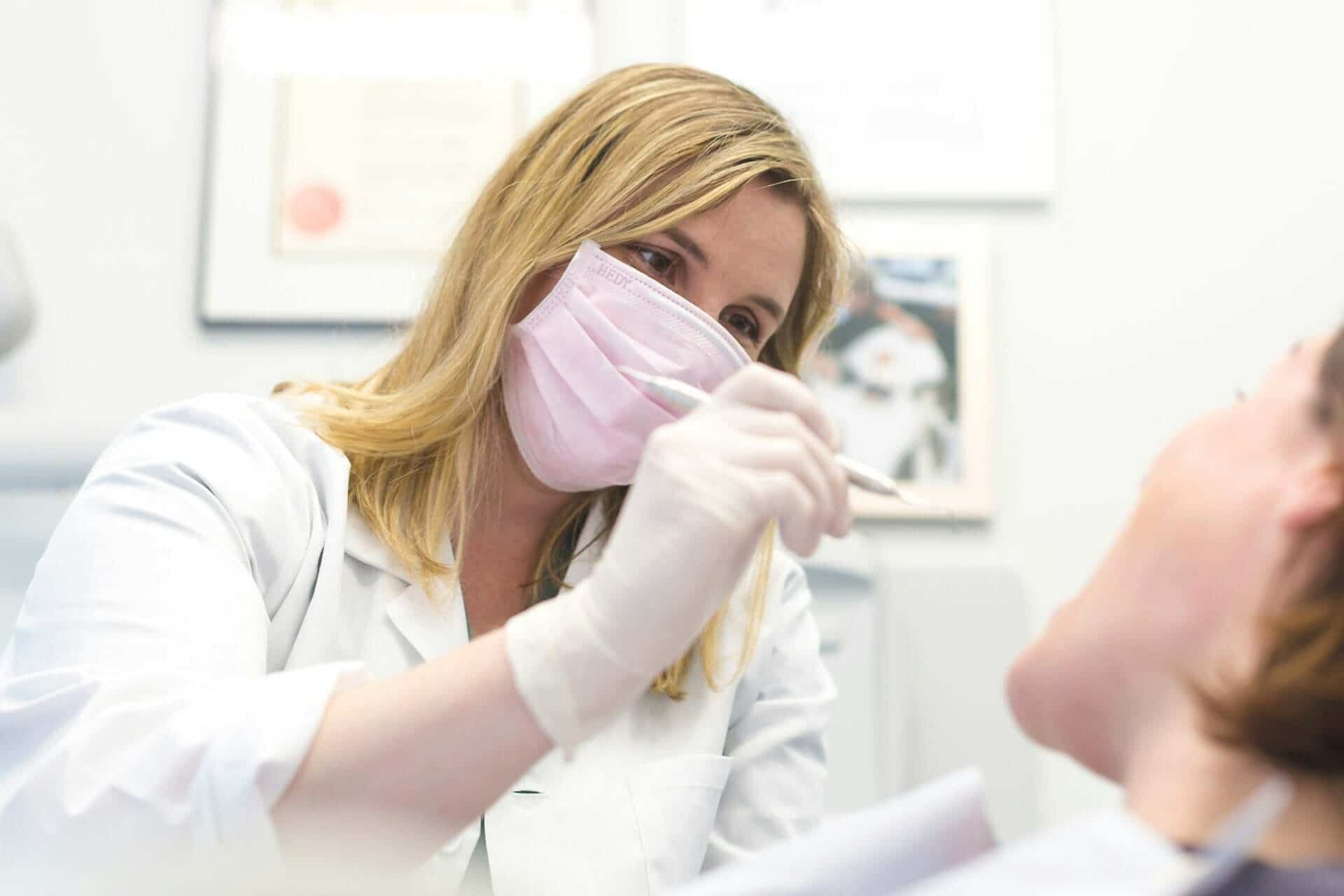
A dental hygienist performs the scaling, polishing, flossing, and fluoride portions of the visit. The dentist then completes a separate oral exam, reviewing X-rays and checking for cavities, signs of gum disease, or anything that warrants follow-up.
This two-person approach is a quality check built into every preventive dental procedure. The hygienist has eyes on your teeth throughout the cleaning, and the dentist evaluates with fresh perspective at the end.
What a Routine Visit Usually Feels Like
For most patients with healthy teeth and gums, a routine cleaning produces mild pressure sensations and occasional scraping sounds, but not pain. Some areas near the gumline can feel more sensitive, especially if plaque has built up between visits.
If you have had sensitivity before, mentioning it at the start lets the hygienist adjust their technique. That small conversation at the beginning of the appointment genuinely changes how the visit goes.
Once you know what to expect from the structure, the next question is usually: what exactly are they doing to your teeth the entire time?
The Main Steps That Clean Your Teeth
The teeth cleaning process follows the same core sequence at every visit: check, scale, polish, floss, and protect. Each step builds on the one before it, and together they reach the spots your toothbrush simply cannot.
Checking the Teeth and Gums First
Before any tools come out, the hygienist uses a small mirror to examine your teeth and gum tissue. They are checking for visible plaque, inflamed gums, and any areas that may need closer attention during scaling. This quick visual scan shapes the rest of the appointment.
Gum pocket depth is also measured using a thin probe. Numbers under three millimeters are generally healthy. Higher numbers signal areas where plaque and tartar have moved below the gumline.
Scaling to Remove Hardened Buildup
Scaling is the step most people associate with the scraping sound. The hygienist uses a scaler, which may be a hand tool or an ultrasonic scaler that vibrates to break apart tartar. Both are effective; many practices use a combination of the two.
Plaque and tartar removal happens tooth by tooth, including along the gumline and in the spaces between teeth. The sound can feel intense, but the sensation is pressure rather than cutting. Tartar that has been on a tooth for a while takes more effort to remove, which is the main reason regular visits keep this step shorter and gentler each time.
Polishing for a Smoother Surface
After scaling, the hygienist uses a soft rubber cup with a gritty polishing paste to buff each tooth surface. This step removes any remaining surface stains and creates a smoother surface that makes it harder for plaque to adhere quickly. The paste has a mild, slightly gritty texture and comes in flavors like mint or bubblegum.
Polishing is not meant to whiten teeth the way a whitening treatment would. It restores the natural brightness of enamel by clearing away the layer of film and light staining that builds up over months.
Professional Flossing and Final Rinse
Professional flossing goes deeper between teeth than most at-home routines reach. The hygienist guides the floss in a C-shape around each tooth, clearing debris loosened during scaling and polishing. This step also checks whether any spaces between teeth are prone to trapping food.
You may notice minor bleeding during this step, especially if you do not floss consistently at home. That is a sign of gum inflammation, not an injury from the floss. It typically improves quickly once regular flossing becomes part of your daily routine.
Fluoride Protection at the End
Fluoride treatment is often the final step of a professional cleaning. The hygienist applies a fluoride gel or varnish to the tooth surfaces, which is absorbed by the enamel over the next several hours. Fluoride strengthens tooth enamel and helps prevent cavities by making the surface more resistant to acid from bacteria.
For adults, fluoride is optional at some practices but routinely recommended. For children, it is almost always included. You will be asked not to eat or drink for about 30 minutes after a fluoride varnish application to allow it time to take effect.
Now that you know the steps, it is worth understanding why those steps matter so much even when your at-home brushing and flossing routine is solid.
Why Cleanings Matter Between Home Care Routines
Even consistent brushing and flossing cannot fully substitute for a professional cleaning. The tools, technique, and trained eye that a hygienist brings to the appointment address things your toothbrush is structurally unable to reach.
How Plaque Turns Into Tartar
Plaque forms daily as a soft, sticky film of bacteria on your teeth. Brushing and flossing remove most of it, but pockets near the gumline and tight spaces between teeth are easy to miss. Within about 24 to 72 hours, any plaque left behind begins to harden into tartar, also called calculus.
Tartar cannot be removed by brushing. Only a dental instrument can break it off. This is the core reason why home oral hygiene and professional cleanings work as a team rather than as substitutes for each other.
How Visits Help Prevent Bigger Problems
Routine dental cleanings catch early signs of cavities, gum inflammation, and bone changes before they become expensive or uncomfortable problems. During the exam portion, the dentist reviews X-rays that can reveal decay forming between teeth or beneath a filling, long before a patient notices any pain.
Catching tooth decay early means a small filling rather than a root canal. That gap in complexity and cost is one of the clearest arguments for keeping twice-yearly appointments on the calendar.
Why Fresh Breath and Gum Health Improve
Bacteria that cause bad breath and gum irritation live in the same tartar deposits the hygienist removes during scaling. Patients often notice that their breath is noticeably fresher in the days following a cleaning, and that their gums feel less tender when brushing at home.
Consistent professional cleanings reduce the bacterial load in your mouth, which directly supports gum health and helps prevent gum disease from progressing to a more serious stage. That word, progression, is worth understanding, because some patients discover at a cleaning that a routine visit is not quite enough for where their gums are.
When a Standard Visit Turns Into a Deeper Cleaning Plan
Sometimes the hygienist finds something during your routine exam that changes the plan. That is not a failure; it is the system working as it should.
Signs That Point to Gum Problems
Gum pocket depths over four millimeters, visible tartar below the gumline, bleeding that does not resolve, and bone changes on X-rays are all signs of gum disease. Gingivitis is the early, reversible stage. Periodontitis is more advanced and requires a different level of care.
Bleeding gums that persist between visits
Gum pockets measuring 4 mm or deeper
Visible tartar buildup at or below the gumline
Bone loss visible on X-rays
Teeth that feel loose or have shifted position
How Deep Cleaning Differs From a Routine Visit
A deep cleaning, formerly called scaling and root planing, treats gum disease by cleaning beneath the gumline and smoothing the root surfaces of the teeth. The goal is to remove bacteria and tartar from places a standard prophylaxis cleaning cannot reach.
Feature | Routine Cleaning (Prophylaxis) | Deep Cleaning (Scaling and Root Planing) |
Where it cleans | Above and at the gumline | Below the gumline, along tooth roots |
Anesthesia needed | Rarely | Usually, local numbing |
Appointment length | 45 to 60 minutes | Often 1 to 2 hours per side |
Who it is for | Patients with healthy gums | Patients with gum disease |
Follow-up schedule | Every 6 months | Every 3 to 4 months typically |
Deep cleaning is not a punishment for neglect. It is a targeted treatment for a specific condition, and most patients manage it more comfortably than they expected once the area is numbed.
Who May Need More Frequent Follow-Ups
After scaling and root planing, periodontal maintenance visits every three to four months replace the standard six-month schedule. These more frequent cleanings prevent gum disease from returning by clearing bacteria before they have time to re-establish deep deposits.
Patients who have a family history of gum disease, diabetes, or a weakened immune system may also need more frequent cleanings even without active periodontitis. Your hygienist and dentist will tell you clearly which schedule fits your situation. For families with children in the household, the cleaning process looks a little different from the start.
What Parents Should Know for a Child's Cleaning Visit
A dental cleaning for kids follows the same core steps as an adult visit, but the pace, tools, and tone are adjusted to match the child's age and comfort level. Most kids leave their first cleaning feeling proud rather than scared.
How Kid Appointments Usually Stay Simple
For younger children, the hygienist uses smaller instruments and softer pressure. The exam is often shorter, focused on checking for cavities in baby teeth and making sure permanent teeth are coming in correctly. X-rays may or may not be taken depending on age and risk of cavities.
Children do not usually have the same tartar buildup as adults, so scaling is typically a lighter part of the visit. The focus shifts more toward education: showing a child how to brush properly and reinforcing habits they can practice at home.
Ways to Prepare a Nervous Child
Telling your child what will happen in plain terms before the visit reduces much of the fear. Phrases like "the hygienist will count your teeth with a tiny mirror" or "they will brush your teeth with a special electric toothbrush" are accurate and non-threatening.
Avoiding the word "hurt" entirely, even to say "it will not hurt," is a small but effective strategy. Children focus on the word, not the reassurance. Framing the visit as something normal your whole family does regularly goes further than any prep speech.
Extra Cavity Protection Children May Be Offered
Fluoride treatment is standard for most children after a cleaning, applied as a varnish that is painted onto the teeth and left to absorb. Dental sealants may also be recommended for children whose permanent molars have deep grooves that trap food and are hard to brush clean.
Sealants are a thin protective coating bonded to the chewing surface of back teeth. They are one of the most effective tools for cavity prevention in children and can last several years with normal wear. After any cleaning, whether for a child or an adult, what you do at home in the hours and days that follow shapes how long the results last.
After the Appointment and Your Next Step
Right after a cleaning, your teeth may feel polished and slick in a genuinely satisfying way. That sensation is worth protecting, and the steps you take over the next few days reinforce it.
What Mild Soreness or Sensitivity Is Normal
Some patients notice their teeth feel more sensitive to cold or pressure for 1 to 3 days after a cleaning, particularly if tartar removal was extensive. This happens because the enamel and gum tissue have been slightly disturbed and need a brief window to settle. It is temporary.
Gum soreness along the gumline is also common after scaling, especially if the appointment addressed areas of heavier buildup. An over-the-counter pain reliever like ibuprofen or acetaminophen handles it well for most people. If sensitivity persists beyond a week, that is worth mentioning to your dentist.
Home Care Tips That Help the Results Last
The two to three days after a cleaning are an ideal time to reinforce good habits. Here are the tools and techniques that make the biggest difference between visits:
Use a soft-bristled toothbrush or a high-powered electric toothbrush to clean effectively without irritating gum tissue.
A water flosser complements string floss and is especially helpful for getting between tight contacts.
Improve your flossing technique by curving the floss in a C-shape around each tooth rather than snapping it straight down.
If your hygienist mentioned specific problem spots, give those areas extra attention every day.
Teeth whitening treatments, if you are interested, are also more effective right after a professional polishing because the surface is clear of film and buildup.
Frequently Asked Questions
Will the hygienist scrape my teeth, and is that normal?
Yes, scraping is a normal part of scaling, and it is the step that removes hardened tartar from your tooth surfaces. The sound can feel louder than the sensation actually is, and most patients with healthy gums find it manageable. Letting your hygienist know if you feel discomfort at any point allows them to make adjustments.
How much does a routine cleaning usually hurt, and what can I do if I'm sensitive?
A routine cleaning should produce pressure and a mild scraping sensation, not sharp pain. If you have sensitive teeth or inflamed gums, certain areas may feel more intense. Telling your hygienist about sensitivity before the appointment starts lets them use a gentler approach or a desensitizing rinse.
What's the difference between a regular cleaning and a deep cleaning for gum disease?
A regular prophylaxis cleaning maintains healthy teeth and gums by removing plaque and tartar above and at the gumline. A deep cleaning, or scaling and root planing, treats active gum disease by cleaning beneath the gumline and along the tooth roots, usually under local anesthesia. The two procedures are not interchangeable.
How long does a typical cleaning appointment take from start to finish?
Most routine dental cleaning appointments take between 45 and 60 minutes, including the hygiene portion and the dentist's exam. If X-rays are being taken at the same visit, budget closer to 75 minutes. Deep cleaning appointments typically run longer and may be divided into two separate visits.
Can a cleaning remove tartar stains and make teeth look brighter right away?
Professional polishing removes surface staining and film that dulls the enamel's natural color, so many patients notice their teeth look brighter immediately after a cleaning. It does not change the underlying shade of your enamel the way a whitening treatment would, but the difference from removing buildup alone is often visible.
Is professional cleaning safe for dental implants, porcelain veneers, or Invisalign attachments?
Yes, but the approach may be adjusted. Hygienists use plastic or resin scalers around implants to avoid scratching the titanium surface, and the selection of polishing paste matters for veneers to protect the porcelain. If you have implants, veneers, or Invisalign attachments, mentioning them at the start of your appointment ensures the team uses the right instruments throughout the appointment.
Your Smile Is Worth the Hour
A dental cleaning is one of the most straightforward investments in your health, and walking in knowing what to expect makes it even easier. From the initial gum check to the final fluoride varnish, each step serves a clear purpose, and the whole visit is designed to leave your mouth healthier than when you sat down.
If you are in Torrance and ready to schedule a cleaning for yourself or your child, Dentist of Torrance and Dr. Hamid Barkhordar's team are ready to make the visit comfortable from start to finish. Call 213-929-8633 or book your appointment online, and let a caring, experienced team take it from there.