Your child smiles at you, and you notice something: a tooth coming in crooked, a bite that looks off, or maybe two teeth crowding against each other. It is one of those parenting moments when you are not sure whether to call a dentist today or wait another year. The question almost every Torrance parent eventually asks is: what age should kids get braces, and is now the right time?
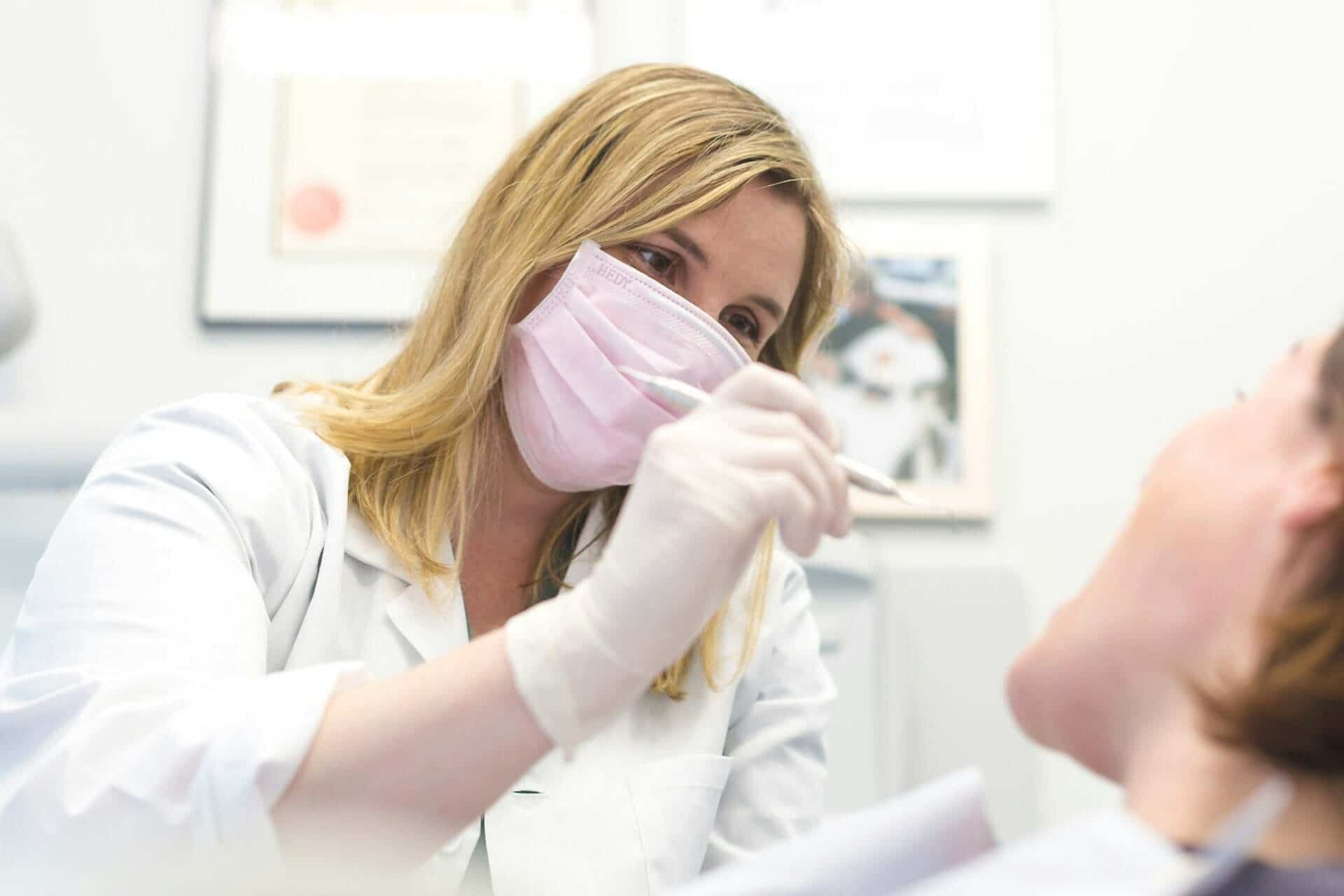
At Dentist of Torrance, Dr. Hamid Barkhordar, trained at USC and Harvard, sees these questions from families across Torrance every week. His approach is always to give parents a clear, evidence-based picture rather than rushing toward a treatment plan.
Keep reading to find out when the AAO recommends a first orthodontic check-up, what early signs to watch for at home, how Phase One treatment differs from full braces, and which options, including Invisalign® and traditional braces, tend to work best by age group.
The Short Answer: When Most Kids Start Treatment
Most children begin full orthodontic treatment between ages 11 and 14, but the process often starts much earlier with a simple evaluation. Knowing what each stage involves helps you avoid starting too soon and paying more than necessary, or waiting so long that treatment becomes more complex.
Why Age 7 Is the First Orthodontic Check-Up
The American Association of Orthodontists recommends that every child receive their first orthodontic evaluation by age 7. At that point, the first permanent molars and incisors have typically come in, which gives an orthodontist enough information to assess jaw growth, spacing, and bite alignment. This is not an appointment that ends with braces being placed; it is a baseline visit.
What the orthodontist is looking for at age 7 is whether any skeletal or eruption problems are developing that would be easier to address now than later. Most kids leave that appointment with a monitoring plan and a follow-up date. A small percentage of people enter early treatment right away.
Why Many Kids Start Between 9 and 14
The window between ages 9 and 14 covers mixed dentition (a mix of baby and permanent teeth) and the transition into a full adult set. Full braces, or Phase Two orthodontic treatment, typically begins once most permanent teeth have erupted, usually around ages 11 to 13. At this stage, jaw growth is still active, which helps treatment move efficiently.
Starting braces during active jaw growth means the bone is more responsive and tooth movement can be guided alongside natural development. By age 14 to 15, most teens have a complete set of adult teeth and braces are still very effective, just without the same growth advantage.
Why Timing Depends on Dental Development
Two children born in the same month can have very different orthodontic timelines depending on when their permanent teeth erupt and how their jaws grow. X-rays taken during a dental visit can reveal teeth still forming beneath the gumline, providing a clearer picture than a visual exam alone. Skeletal maturity, not just age, is the real factor that orthodontists weigh when deciding whether to begin treatment.
This is why early evaluation matters even if treatment does not start immediately. It puts you in a position to make a planned, informed decision rather than a reactive one.
Signs Your Child May Need an Earlier Evaluation
Some issues are clear enough that you can spot them from across the breakfast table. Others are subtle enough that only a clinical exam will catch them. Either way, knowing what to look for means you can book an evaluation with confidence rather than uncertainty.
Bite Problems Parents Can Spot at Home
Certain bite patterns are visible to the eye and worth flagging sooner rather than later. An overbite, where the upper front teeth overlap the lower ones significantly, is common and not always urgent. But an underbite, where the lower teeth sit in front of the upper ones when biting down, or a crossbite, where upper and lower teeth do not align left to right, often benefit from earlier attention.
An open bite, where front teeth do not touch at all when the back teeth come together, can affect how your child chews and speaks. Misaligned teeth that produce facial imbalance or a noticeably asymmetric jaw are also worth evaluating early.
Tooth Eruption and Spacing Issues to Watch
Pay attention to how and when your child loses baby teeth. Early or late loss of baby teeth compared to typical timelines can signal crowding or spacing problems developing beneath the surface. If a baby tooth falls out and the adult tooth does not follow within a few months, or if teeth erupt in unusual positions, an orthodontic check-up is a reasonable next step.
Extra teeth, a narrow upper jaw, or adult teeth coming in clearly rotated are all situations where waiting too long can make correction harder. Crowded teeth visible even before the full adult set has arrived are a signal worth investigating.
Functional Clues Like Chewing and Cheek Biting
Sometimes the first clue is not visual. Difficulty chewing certain foods, frequent cheek biting, or a child who consistently chews only on one side can point to a malocclusion that is not obvious from the outside.
Avoiding hard foods or chewing on one side only
Frequently biting the inside of the cheek or lip
Speech issues that persist past typical developmental stages
Mouth breathing as a primary breathing pattern
Complaints of jaw soreness or clicking
These functional signs are worth mentioning at your child's next dental visit, even if you are not ready to book a separate orthodontic consultation yet.
When Early Orthodontic Treatment Makes Sense
Early orthodontic treatment, sometimes called Phase One, is not the right call for every child. But for a specific set of problems, starting treatment between ages 7 and 10 can prevent the need for more invasive treatment later.
What Phase One Treatment Means
Phase One treatment typically involves partial braces, a palatal expander, or other removable appliances, which are used while a child still has a mix of baby and permanent teeth. The goal is not to straighten every tooth but to correct skeletal or jaw problems that respond best to intervention during active growth.
Treatment usually lasts 9 to 18 months, followed by a rest period, and then Phase Two (full braces). A palatal expander, for example, widens the upper jaw over several months while the suture in the roof of the mouth is still open and responsive. After the jaw fuses, typically in the mid-teens, expansion requires more invasive methods or surgery.
Cases That Are Better Treated Young
The following table shows which issues typically benefit from early treatment versus which ones respond just as well to waiting for Phase Two:
Condition | Early Treatment (Phase One) | Wait for Phase Two |
Crossbite | Recommended | Not ideal; may worsen |
Underbite | Often recommended | May require surgery if delayed |
Narrow upper jaw | Recommended (expander) | Less effective after jaw fuses |
Severe crowding | Usually not needed | Phase Two handles it well |
Open bite (habit-related) | Recommended | Can become harder to correct |
Mild overbite | Not needed | Phase Two corrects effectively |
Spacing issues | Usually not needed | Often closes naturally |
When Watching and Waiting Is the Better Plan
For many children, especially those with mild crowding, minor spacing, or a slight overbite, the most appropriate recommendation is observation rather than treatment. Crowding often looks worse during the mixed dentition stage than it actually is; as larger permanent teeth settle in, some spacing issues correct on their own.
Starting Phase One treatment for problems that do not require it adds cost and time without improving the final outcome. A good evaluation tells you clearly which category your child falls into, and that clarity alone is worth the appointment.
What Treatment Often Looks Like in the Teen Years
Once most permanent teeth are in, usually by age 12 to 13, full orthodontic treatment can begin. This phase is when most families in Torrance make concrete decisions about which type of braces or aligners to choose.
Full Braces Once More Adult Teeth Are In
Traditional metal braces remain one of the most effective and affordable options for comprehensive tooth movement. Metal brackets bond to the front of each tooth and are connected by a wire that gradually shifts teeth into alignment. They are a reliable choice for moderate-to-severe crowding, bite correction, and cases where precise movement is important.
Ceramic braces work the same way but use tooth-colored brackets that are less visible. They are a popular choice for teens who want a lower-profile look but do not qualify for or prefer not to use aligners.
Clear Aligners and Invisalign® for the Right Case
Invisalign® and other clear aligner systems are increasingly used for teens with mild to moderate alignment issues. Aligners are removable, which makes brushing and flossing much easier than with brackets and wires. The trade-off is compliance: aligners need to be worn 20 to 22 hours a day to work as intended, and some younger teens struggle with that consistency.
Invisalign® Teen includes compliance indicators, small blue dots on the aligner that fade with wear, so parents and providers can track whether aligners are actually being used. For motivated teens with the right case profile, clear aligners produce excellent results.
How Long Treatment Usually Takes
Most full orthodontic treatment runs between 12 and 24 months, depending on the complexity of the case and how consistently the patient follows care instructions. Mild cases treated with aligners can sometimes be completed in about 12 months. Complex cases involving significant crowding, bite correction, or jaw discrepancies may run longer.
Treatment duration is something to ask about specifically at the first consultation, along with what the retention plan looks like after braces come off. Retainers are not optional; they are what protects the result in the long term.
How to Choose the Right Option for Your Child
The first orthodontic consultation is where a general picture becomes a specific plan. Coming in with a few prepared questions makes that visit more productive for your whole family.
Questions to Ask at the First Consultation
Does my child need treatment now, or is monitoring appropriate?
Is this a Phase One situation or are we looking at Phase Two only?
What problems are we correcting, and what happens if we wait?
Which treatment option, braces or aligners, is better for this specific case?
What does the retention plan look like after treatment ends?
These questions help you evaluate whether the recommended plan matches the actual clinical picture.
How Braces Cost and Complexity Affect Planning
Braces typically cost $3,000 to $8,000 for a single phase of treatment. If your child needs both Phase One and Phase Two, the combined total can range from $7,500 to $12,000 depending on the case and provider.
Dental insurance often covers a portion of orthodontic treatment, sometimes up to $1,500 to $2,000 over the lifetime of the plan, so checking your specific benefits before the first consultation is worth doing.
Some families find that a single Phase Two treatment phase, when Phase One is not genuinely necessary, is significantly more affordable. An honest orthodontic consultation will tell you which path applies to your child.
Daily Care During Orthodontic Treatment
Braces and aligners both require consistent daily care to avoid problems that can extend treatment or affect oral health.
For metal or ceramic braces, brushing after every meal and threading the floss through a floss threader, or using a water flosser, around each bracket is essential. Plaque buildup around brackets can lead to white spot lesions, permanent marks left on enamel after braces come off.
For Invisalign® users, rinsing aligners and brushing teeth before reinserting them helps prevent bacteria from being trapped against the enamel for hours at a time. The flexibility of removable aligners is an advantage, but it requires your teen to be genuinely committed to wearing them consistently.
Frequently Asked Questions
When Should My Child Have Their First Orthodontic Evaluation?
The American Association of Orthodontists recommends the first orthodontic check-up by age 7. This visit is about assessment, not immediate treatment, and it gives the provider a baseline to monitor growth and catch issues early.
Is It Okay to Start Braces Before All the Baby Teeth Are Gone?
Yes, in certain cases. Phase One treatment is specifically designed for children in the mixed dentition stage, when baby and permanent teeth coexist. An orthodontist will determine whether the timing is appropriate based on the specific problem being addressed.
How Do I Know If My Child Needs Braces or Invisalign® Instead?
The choice depends on the complexity of the case and your child's ability to consistently wear aligners. Traditional braces are generally better for complex alignment or bite issues, while Invisalign® is a strong option for mild to moderate cases in motivated teens.
Is There a "Too Early" or "Too Late" Time to Start Orthodontic Treatment?
There is no universal cutoff, but starting full braces before most permanent teeth have erupted is rarely appropriate. On the other end, teens who begin treatment at 15 or 16 still achieve excellent results; the timeline is just slightly different.
What Are the Signs My Child May Need Early Treatment Like Palatal Expanders?
A narrow upper jaw, a posterior crossbite, or persistent mouth breathing are common indicators. A palatal expander works by gradually widening the jaw during growth, which is why earlier intervention is more effective than waiting until the jaw has fused.
How Much Do Braces Typically Cost for Kids, and What Payment Options Are Common?
A single phase of braces generally costs between $3,000 and $8,000. Many practices offer monthly payment plans, and dental insurance often contributes a lifetime orthodontic benefit. Confirming your coverage before the consultation helps you plan around the actual out-of-pocket portion.
Ready to Find Out Where Your Child Stands?
Figuring out the right time for orthodontic treatment does not have to feel like guesswork. Most families just need one good evaluation to get a clear picture: whether to start now, monitor for a year, or begin planning for full braces as more adult teeth come in. The answer is in the exam, not the calendar.
Your family's dental health does not have to feel complicated or expensive. Reach out to Dentist of Torrance, and find out how affordable, comfortable care fits into your schedule. Call us at 213-929-8633 or book your appointment online today.