If you’re dealing with back-of-mouth pain, swollen gums, or jaw stiffness, it may not be “nothing.” These can be signs that your wisdom teeth are causing problems.
At Dentist of Torrance, we keep things simple and calm, with modern imaging and clear explanations so you know what’s happening and why it matters.
Up next: the most common warning signs, the less obvious symptoms, when to call for help, and how to catch issues early.
Common Indicators Your Wisdom Teeth Are Causing Problems
Spotting wisdom tooth issues early saves you hassle later. If you’re dealing with pain that hangs around, gums that look off, or your jaw feels strange, don’t shrug it off.
These symptoms often mean your wisdom teeth need attention, and they may be signs your wisdom teeth are causing problems.
Persistent Pain Or Discomfort
Ongoing pain at the back of your mouth often points to wisdom teeth acting up. It might start as a dull ache but can turn sharp or stick around, making chewing or even resting uncomfortable.
Pain like this can mean those teeth are pressing against others or stuck under the gums. If it doesn’t ease after a few days, get checked. Ignoring it can let infection or damage sneak in.
Swelling And Redness Around Gums
Notice your gums looking puffy or red near your wisdom teeth? That’s a classic sign of irritation or infection.
Inflamed gum tissue can mean that pressure or trapped food is causing trouble. You might feel soreness or spot puffiness in that area.
This swelling can make brushing painful and allow bacteria to build up. If you notice pus or a nasty taste, infection may be involved.
Jaw Stiffness Or Difficulty Opening Mouth
Struggling to open your mouth wide or feeling jaw stiffness can be a sign that your wisdom teeth are acting up. You may feel tightness or soreness when yawning or eating.
Swelling or infection can affect your jaw muscles, making daily tasks like eating or talking a chore. If you can’t open your mouth fully for more than a couple of days, it’s time to see your dentist.
Secondary Symptoms To Watch For
Sometimes wisdom teeth don’t just hurt where they are. They can cause other symptoms that feel unrelated.
These smaller clues can be signs your wisdom teeth are causing problems, even if the pain in the back of your mouth is not obvious.
Bad Breath Or Unpleasant Taste
Bad breath or a strange, persistent taste in your mouth could be connected to your wisdom teeth. They may grow at odd angles or only partly break through, leaving pockets where food and bacteria hide.
Bacteria trapped there can cause breath odor or a bitter taste, even after brushing. If this keeps happening, it may be time to get your wisdom teeth checked before things worsen.
Headaches Or Earaches
Headaches or earaches that don’t quite make sense can sometimes connect back to wisdom teeth. Pain may radiate to your head or ears because of how jaw nerves and muscles are connected.
You might notice a dull headache or pressure near your ears, especially if your jaw feels stiff or sore when you chew. If these aches show up with mouth pain, your wisdom teeth could be involved.
Oral Health Complications Linked To Problematic Wisdom Teeth
Wisdom teeth that don’t come in correctly can affect your gums and nearby teeth. This can mean pain, swelling, and longer-term problems if you let it slide.
If you’re seeing ongoing changes, these may be signs that your wisdom teeth are causing problems that need professional attention.
Gum Infection Or Inflammation
When wisdom teeth only poke partway through, they can create a hiding place for bacteria. That can lead to gum infections like pericoronitis.
Redness, swelling, and soreness around those teeth are common signs. It can hurt to open your mouth or chew, and the infection may spread if untreated. Keeping that area clean is tough when food and bacteria get trapped under the gum flap.
Cysts Or Damage To Nearby Teeth
Sometimes, a cyst (a fluid-filled sac) can form around a wisdom tooth that never breaks through. If that tooth stays trapped, the cyst can grow and damage bone or nearby tooth roots.
Cysts can slowly push other teeth out of place and contribute to misalignment. Wisdom teeth pressing against molars can also lead to pain or decay.
Regular check-ups can catch these issues early. If your dentist sees a risk, they’ll talk you through options like removal to protect nearby teeth.
When To Seek Professional Dental Advice
If you’re facing unusual or ongoing issues with your wisdom teeth, don’t wait it out. Getting checked sooner can protect your oral health and prevent bigger problems.
Pay attention when symptoms feel persistent, since they may be signs your wisdom teeth are causing problems that won’t resolve on their own.
Persistent Bleeding
Bleeding gums around your wisdom teeth that won’t stop after rinsing or brushing can be a sign that you should see your dentist.
This can happen if your wisdom tooth is stuck or only partly out, creating pockets where bacteria build up. You might notice blood when eating or flossing in the back.
If bleeding lasts more than a day or becomes heavy, don’t just hope it goes away. Early care helps prevent gum disease and keeps your mouth healthier.
Noticeable Shifting Of Other Teeth
Feeling like your other teeth are getting crowded or moving? Wisdom teeth may be a factor when your mouth is running out of space.
This pressure can push teeth out of alignment, affect your bite, and make cleaning harder, raising the risk for cavities or gum problems. The shift can be subtle at first, but it often worsens over time.
Your dentist can confirm whether wisdom teeth are causing crowding and discuss options, including removal if needed.
Preventive Steps And Early Detection
Keeping tabs on your wisdom teeth can save you pain and money over time. Catching changes early can make treatment simpler.
If you want to stay ahead of signs your wisdom teeth are causing problems, preventive care and monitoring matter.
Regular Dental Check-Ups
Regular visits are one of the best ways to catch wisdom tooth trouble before it turns serious. During check-ups, your dentist looks for signs of discomfort, swelling, or infection around your wisdom teeth.
They’ll also evaluate how your teeth fit together and watch for pressure or shifting. If you notice anything unusual, bring it up during your appointment. Early warning signs are often easier to manage.
Early X-Ray Evaluation
X-rays help show how your wisdom teeth are developing beneath the gums. Early images can reveal if your wisdom teeth are coming in crooked, crowding other teeth, or staying trapped under the gumline.
Your dentist can use these images to judge whether your wisdom teeth may cause future problems. If something looks concerning, they’ll explain your options so you can make an informed decision.
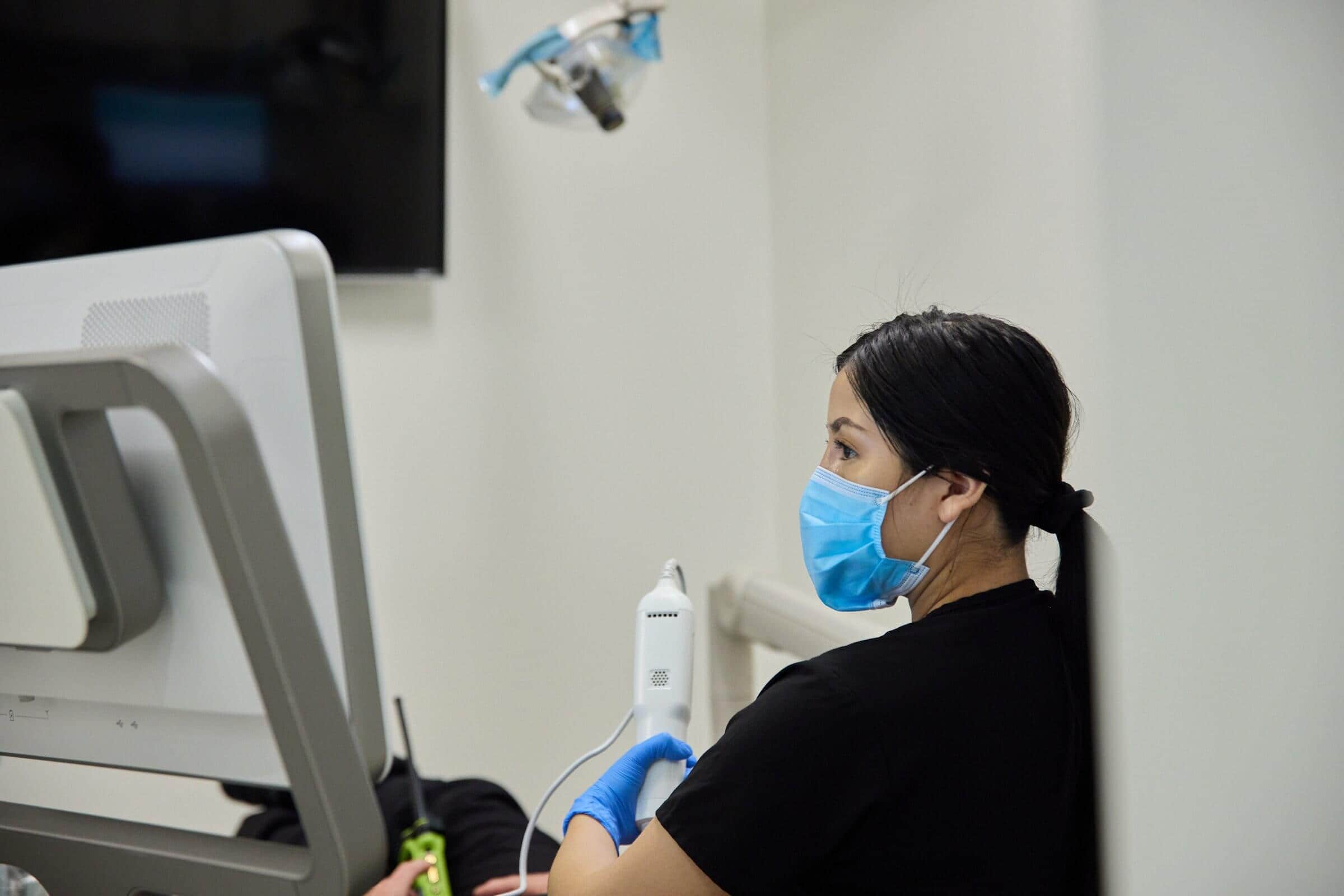
Modern tools can make these exams quick and comfortable. Keeping up with recommended X-rays during check-ups helps you catch issues earlier.
Find Relief Before Wisdom Tooth Pain Gets Worse
Ongoing pain, swelling, or jaw stiffness can disrupt eating, sleep, and focus. Catching wisdom tooth issues early helps protect your comfort and prevent bigger dental problems.
At Dentist of Torrance, we focus on gentle exams, modern tools, and clear guidance so you understand your options without added stress.
If you’re noticing signs your wisdom teeth are causing problems, request an appointment or call our Torrance Office for calm, pressure-free care.
Frequently Asked Questions
What are the most common signs that your wisdom teeth are causing problems?
Wisdom teeth can cause problems if they grow the wrong way or put pressure on nearby areas. You might notice pain that comes and goes, swelling, tightness, or changes in your bite.
Sometimes the discomfort can show up in unexpected places, like your ears, which can make the cause harder to spot.
How can you tell if your wisdom teeth are coming in incorrectly?
You might feel pain or pressure in the back of your mouth. Swollen or sore gums are another sign. If the teeth are angled or stuck under the gum, they may not be coming in properly.
What are common symptoms indicating a wisdom tooth is pressing on a nerve?
Sharp or shooting pain can occur, sometimes with numbness or tingling in your jaw, lips, or tongue. Chewing or opening your mouth may feel difficult, especially if the area is inflamed.
Why might wisdom tooth pain be intermittent?
Pain can come and go as the tooth shifts or tries to break through. Infection or swelling may flare and then calm down. That’s why discomfort is not always constant, even when a problem is developing.
How long is pain typically experienced when a wisdom tooth is growing?
Pain may last a few days or stretch for weeks, depending on how the tooth moves and how your body reacts. If it sticks around or worsens, it’s worth getting evaluated.
Can impacted wisdom teeth lead to other dental issues?
Yes. Impacted wisdom teeth can crowd other teeth, trigger infections, or damage nearby teeth. They can also contribute to gum issues or interfere with dental work over time.
Is it possible for a wisdom tooth to trigger ear pain?
Yes. Pain from wisdom teeth can sometimes spread to your ears or create a sense of pressure there. The nerves around your jaw connect in ways that can make tooth and jaw pain feel like it’s coming from the ear.