If you’re dealing with soreness in the back of your mouth, swollen gums, or jaw tightness, it may be time to get impacted wisdom teeth symptoms evaluated in Torrance.
These symptoms can make eating, sleeping, and even talking feel harder than they should. At Dentist of Torrance, we keep your visit calm and straightforward, with modern imaging and clear explanations.
Next, you’ll learn what impacted wisdom teeth are, the most common warning signs, how an evaluation works, and when treatment may be the safest next step.
What Are Impacted Wisdom Teeth?
Impacted wisdom teeth crop up when your third molars, or wisdom teeth, can’t fully come in the way they’re supposed to. They might get stuck under your gums or only poke through a bit, which can lead to discomfort or other dental issues.
Knowing what these teeth are, the different types of impactions, and why they happen can help you decide when it’s time to see a dentist.
Definition Of Impacted Wisdom Teeth
Impacted wisdom teeth are the ones at the back of your mouth that just don’t have enough space to come in normally. Instead of making a full appearance, they get trapped under the gum line or only partially break through.
This situation creates a pocket where food and bacteria can hide, and that can lead to pain or infection. Impacted wisdom teeth might press against their neighbors or cause your gums to swell up.
Since they’re stuck, these teeth often need to come out to avoid long-term problems. Sometimes you won’t notice anything wrong at first, but symptoms can show up over time.
Types Of Impaction
There are mainly three types of impacted wisdom teeth:
Fully impacted: The tooth stays completely under the gum and doesn’t erupt at all.
Partially impacted: The tooth breaks through the gums but only partially. This area is hard to clean and can cause infections.
Angled impaction: The tooth grows at an angle toward the front, back, or sideways, often pushing against other teeth.
Each type brings its own set of problems, like pain, swelling, or infections. Dentists use X-rays to check how your wisdom teeth are growing and figure out the right treatment for you.
Common Causes
Impacted wisdom teeth usually show up because there’s not enough room in your jaw for them to fit. For lots of folks, the jaw is too small, or the teeth are already crowded, so the wisdom teeth get stuck or push against other teeth.
The angle of the tooth’s growth and how early your wisdom teeth start to develop matter too. Genetics can play a role—if your family has a history of tricky wisdom teeth, you might be in the same boat.
Symptoms Of Impacted Wisdom Teeth
Impacted wisdom teeth can make your day-to-day life pretty uncomfortable. Most people deal with pain, swelling, jaw stiffness, and sometimes bad breath. Spotting these symptoms early can help you dodge bigger problems down the line, especially with impacted wisdom teeth symptoms evaluated in Torrance.
Pain And Discomfort
You might notice a sharp or dull ache near the back of your mouth. Usually, this pain kicks in when the wisdom tooth pushes against your other teeth or gums.
Sometimes, it gets worse when you chew or open your mouth wide. This discomfort might be constant, or it could come and go, which can be frustrating.
Pain can even spread to your ear, jaw, or head. If you feel pressure or throbbing near those back teeth, it’s worth paying attention.
Swelling And Redness
Swelling around your gums near the wisdom teeth is common when they’re impacted. The gum tissue might look red, tender, or puffy.
Sometimes you’ll spot a small bump or a flap of gum tissue covering part of the tooth. That flap can trap food and bacteria, making swelling worse.
Cleaning gets tricky, and your gums might bleed more easily. See a dentist if swelling doesn’t improve or keeps coming back.
Jaw Stiffness
An impacted wisdom tooth can make your jaw feel tight or tough to move. Opening your mouth wide or even yawning might hurt more than you’d expect.
This stiffness can happen when swelling or infection affects the muscles near your jaw. Sometimes, it’s simply the tooth’s position causing pressure.
If your jaw feels locked or sore, don’t wait too long to get help. Treating inflammation early can help you move your jaw more comfortably.
Bad Breath
Bad breath, or a strange taste in your mouth, often comes along with impacted wisdom teeth. Food and bacteria get trapped around a partially erupted tooth and start to smell.
The gum flap over the tooth forms a pocket where germs thrive, leading to infection and unpleasant odors. You might notice a lingering bad taste, even after brushing.
Good hygiene helps, but sometimes you need a dentist to remove trapped debris and control infection. Regular checkups can keep your mouth fresher.
How Impacted Wisdom Teeth Are Evaluated In Torrance
When you head in to get your impacted wisdom teeth checked, the process usually involves a thorough exam and imaging.
Dentists want to see exactly where those teeth are and figure out the best way to help with impacted wisdom teeth symptoms evaluated in Torrance. The evaluation is about spotting risks and the source of your discomfort before problems build up.
Dental Examination Process
The dentist starts by looking inside your mouth, checking for swelling, redness, or pain near your wisdom teeth. You’ll probably be asked about any discomfort or trouble chewing or opening your mouth.
They’ll gently feel around the gums and teeth near your wisdom teeth to check for signs of infection or pressure. This hands-on approach gives important clues about how your wisdom teeth are affecting your mouth.
Diagnostic Imaging
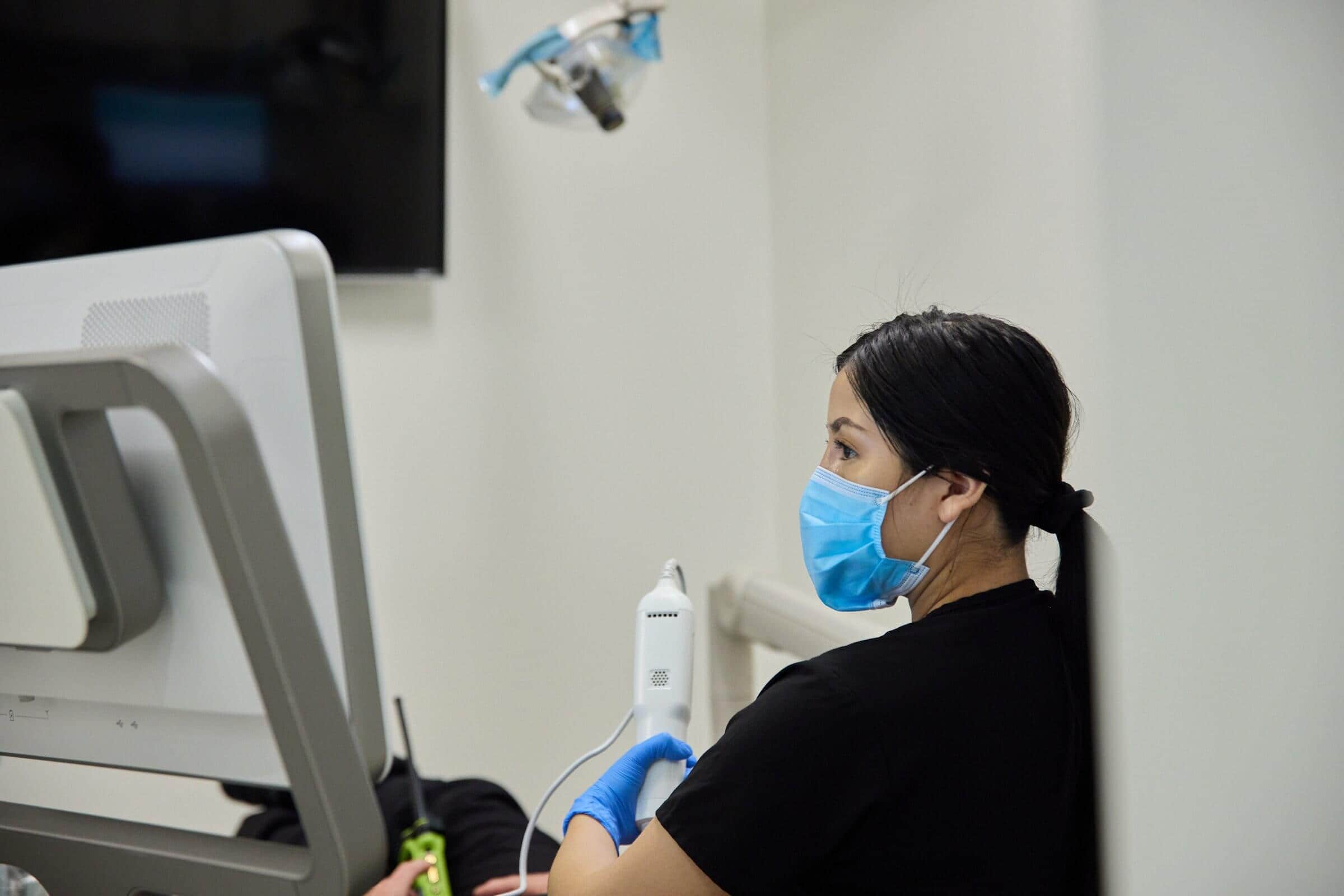
X-rays or 3D scans help dentists see how your wisdom teeth are sitting under the gum. With Cone Beam Computed Tomography (CBCT), they get a detailed, true-to-size picture of your teeth, bones, and nerves.
This kind of imaging makes it easier to spot teeth that are growing sideways or crowding others. It also helps show if your wisdom teeth are trapped under bone or soft tissue, which can lead to pain or infection.
Local Expertise In Torrance
In Torrance, you’ll find dental teams that blend skilled care with real, down-to-earth communication. They use up-to-date tools to make your exam as comfortable as possible.
They’ll walk you through each step and answer your questions so you know what’s happening. The goal is to help you make choices that protect your long-term oral health with advice you can trust.
Potential Health Risks If Left Untreated
If you ignore impacted wisdom teeth, you could end up facing a bunch of dental problems. These issues can affect your gums, nearby teeth, and overall oral health. It’s worth knowing what could happen if you leave those teeth alone.
Infection And Abscesses
When wisdom teeth get stuck, they can create pockets where bacteria grow. That can lead to an infection in your gums, which might show up as redness, swelling, pain, or a bad taste in your mouth.
If the infection gets worse, you might develop an abscess, a painful pocket of infection that needs dental attention. Infections can make eating and talking harder, and if they spread, symptoms can get more intense.
Cyst Formation
Sometimes, a cyst, a fluid-filled sac, can form around an untreated impacted wisdom tooth. These cysts can grow in your jawbone and cause damage over time, including weakening the bone or affecting nearby teeth.
If a cyst gets big enough, it can affect your bite or cause jaw discomfort. Surgery might be needed to remove both the cyst and the tooth. Regular dental visits help catch these issues early.
Damage To Adjacent Teeth
An impacted wisdom tooth might push against the tooth next to it. This pressure can cause pain and even damage to the neighboring tooth.
The tooth beside the wisdom tooth could develop cavities or root problems. Sometimes you’ll need more involved dental work, like fillings or crowns, because one wisdom tooth was in the wrong spot.
Treatment Options Available In Torrance
If you’re dealing with impacted wisdom teeth, you’ve got a few treatment options. The focus is on safely removing the teeth, managing pain, and helping you heal comfortably. Each step aims to keep you supported through the process.
Surgical Extraction
Most impacted wisdom teeth need to be surgically removed. The dentist or oral surgeon will make a small cut in your gum to reach the tooth if it hasn’t come in all the way.
They’ll use special tools to carefully take out the tooth, sometimes breaking it into smaller pieces to make removal easier. Modern tools and 3D imaging help make the procedure smoother and lower the risk of complications.
You’ll get the details ahead of time, so you know what to expect. Local anesthesia helps keep you comfortable during the process.
Pain Management
Managing pain during and after wisdom tooth removal is important. You’ll often get guidance on over-the-counter pain relievers like ibuprofen or acetaminophen, and sometimes a prescription if you need it.
Cold compresses can help with swelling and numb the area a bit. Following your care instructions on when and how to take meds can make recovery more comfortable. The care team can also check in if your pain feels hard to manage.
Post-Procedure Care
Taking care of your mouth after surgery helps you heal and avoid problems. Try not to rinse your mouth too hard for the first 24 hours, since the healing area is delicate.
Stick to soft foods and avoid chewing near the extraction site. Your dentist will share tips for keeping the area clean to help prevent infection. You’ll likely hear it’s best to avoid smoking or drinking through straws, since those can interfere with healing. Follow-up visits help confirm you’re healing well and staying comfortable.
Feel Relief With A Clear Plan
When wisdom tooth pain starts affecting eating, sleep, or focus, getting answers can bring real relief. An evaluation can confirm what’s causing the pressure and help protect nearby teeth and gums.
At Dentist of Torrance, we keep care gentle and clear, using modern imaging and flexible scheduling so you don’t feel stuck waiting while symptoms worsen.
If you’re ready to stop guessing, call our Torrance Office or request an appointment to get impacted wisdom teeth symptoms evaluated in Torrance.
Frequently Asked Questions
What Are The Signs That I Might Need My Wisdom Teeth Removed?
You might notice swelling, pain in the back of your mouth, or redness near your wisdom teeth. Trouble opening your mouth or bad breath are also clues. Sometimes, wisdom teeth that don’t fit well cause crowding or damage to other teeth.
How Can I Identify If My Wisdom Tooth Infection Is Severe?
Severe infections can include severe pain, swelling that spreads beyond your gums, fever, or trouble swallowing. If you notice drainage or a lingering bad taste, it’s important to get care right away.
Can Impacted Wisdom Teeth Cause Headaches Or Jaw Pain?
Yes, impacted wisdom teeth can put pressure on your jaw and the nerves around it. This pressure can lead to headaches or a sore jaw, especially when you chew or try to open your mouth wide.
What Complications Could Arise From Untreated Impacted Wisdom Teeth?
If you ignore impacted wisdom teeth, you might run into infections, cysts, or damage to teeth nearby. Cleaning back there gets tricky, so the risk of gum disease or tooth decay can increase.
How To Distinguish Between Typical Tooth Pain And Impacted Wisdom Tooth Pain?
Regular tooth pain is often sharp and stays in one spot. Wisdom tooth pain tends to be dull or throbbing, and you’ll feel it in the back of your mouth. You might also notice swelling or pressure in your jaw.
At What Point Should I Consult An Oral Surgeon Regarding My Wisdom Teeth?
If you have persistent pain, swelling, or signs of infection around your wisdom teeth, it’s time to reach out for evaluation. Early care can help prevent complications and can make the process less stressful.