Missing teeth can make it hard to chew comfortably, speak clearly, and smile without feeling self-conscious. If you’re wondering how to know if you’re a good candidate for dental implants, you likely want a fix that feels secure.
At Dentist of Torrance, we keep things simple with gentle exams, modern imaging, and clear answers. You’ll understand what’s causing the problem and what options fit your health, timeline, and budget.
This article covers what implants are, who typically qualifies, and what can affect healing. You’ll also learn what to expect at a consultation and get quick FAQs to help you decide.
What Are Dental Implants?
Dental implants are made to replace missing teeth with something sturdy and natural-looking. They act like tooth roots, anchored right into your jawbone.
This gives your mouth strength and helps support your bite. Different types of dental implants suit different needs, so it’s good to know your options if you’re considering treatment.
Definition And Purpose
Dental implants are small posts, usually titanium, that a dentist places into your jawbone. The implant acts as an artificial root, holding a replacement tooth, like a crown or bridge, firmly in place.
The goal is to restore your ability to chew and speak comfortably while keeping your jaw’s shape. Implants also stop nearby teeth from shifting and help prevent bone loss after you lose a tooth.
They offer a long-term solution that looks and feels pretty close to natural teeth. You’ll need to care for them just like your real teeth, brushing and flossing every day.
Types Of Dental Implants
The most common is the endosteal implant, which goes right into the jawbone. Usually, a dentist places a post, attaches an abutment, and then adds the visible tooth or crown.
Another type, the subperiosteal implant, sits on top of the jawbone but under the gum. This one’s for people who don’t have enough bone for the endosteal type and can’t get a bone graft.
A popular technique is the All-on-4 implant, where four implants hold up an entire arch of replacement teeth. It’s a lifesaver for folks needing all their upper or lower teeth replaced.
Which type you get depends on your bone health, how many teeth you’re missing, and your overall oral condition. Your dental team will help you figure out what works best for you.
Key Requirements For Dental Implant Candidacy
To be a good candidate for dental implants, you’ll need some key health factors in your favor. These include the health of your mouth, the strength of your jawbone, and whether you’ve finished growing.
All these things come together to help your implant heal and last for the long haul.
Overall Oral Health
Your mouth should be free of active infections like gum disease before you get implants. Untreated gum disease can mess with healing and cause trouble down the road.
Healthy gums and nearby teeth help support the implant and keep things stable. You’ll also want to have good oral hygiene habits; brushing, flossing, and regular dental visits are all key.
Your dentist will check for any other issues that need fixing first. Starting with a strong foundation gives your implant the best shot at success.
Jawbone Density
Dental implants need a sturdy jawbone to hold them in place. If your bone’s too thin or weak, the implant might not fuse well.
Sometimes, a bone graft can build up the area before you get an implant. A CT scan or X-ray lets your dentist measure your bone’s quality and quantity and decide if you need extra steps.
Strong jawbone keeps the implant stable for chewing and everyday use. Without enough bone, the implant could fail or feel loose; nobody wants that.
Age And Maturity
Your jawbone should be fully developed before you get implants, which usually means you need to be an adult. In younger people, the jaw and facial structure are still growing, and that can cause implant issues.
If you’re a teen, your dentist might wait until you’ve finished growing. This avoids shifting implants or uneven results.
For older adults, implants can work really well as long as your health checks out. Age alone doesn’t rule you out if the other factors look good. Your dentist will go over your medical history to make sure everything’s safe.
Health And Lifestyle Considerations
Your overall health and daily habits play a big part in whether dental implants are a smart choice for you. Some health conditions and lifestyle choices can affect how well you heal and how successful the implant is.
Chronic Medical Conditions
Conditions like diabetes or autoimmune diseases can slow down healing after implant surgery. If you have a chronic illness, it’s important to get it under control before moving ahead.
Things that affect your immune system or bone health, like osteoporosis, might make it tougher for implants to bond with your jawbone. Be honest with your dentist about medications and health issues so they can plan safe, effective treatment for you.
Regular check-ups and managing your condition well make for a smoother recovery. It’s definitely worth taking the time to get things stable before diving in.
Smoking And Tobacco Use
Smoking or using tobacco can really slow down how well implants heal. Tobacco cuts blood flow and bumps up infection risk after surgery, which just isn’t good for implants.
If you smoke, you’ll be encouraged to quit or at least cut back before and after your procedure. The more time you spend away from tobacco during your treatment, the better your chances.
Even occasional tobacco use can cause problems like gum disease around the implant. Your dentist will talk about ways to support quitting and help you keep healthy gums, so your investment in implants pays off.
Dental History And Previous Treatments
Your dental history helps figure out if implants are a good fit for you. This includes how you lost teeth and any past treatments like braces. These details can affect how well implants work.
Tooth Loss Reasons
The reason for your tooth loss matters. If you lost teeth in an accident, implants usually work well since the jawbone might still be strong.
If gum disease or decay caused the loss, your gums and bone might need extra care first. If you had an infection or bone loss, your dentist could suggest treatments to rebuild those areas before placing implants. Healthy gums and enough bone are crucial to hold implants steady.
Previous Orthodontic Procedures
If you’ve had braces or other orthodontic work, your jaw and teeth alignment could affect implant placement. Well-aligned teeth can make things easier and more stable for implants.
Sometimes, teeth moved by braces change the bone shape or amount. Your dentist will check how previous orthodontics might impact your implant options to make sure you get the best fit and function.
Consultation And Evaluation Process
This process helps decide if dental implants are right for you. It covers a review of your dental health and uses special imaging to check bone quality and placement options. Both steps help create a treatment plan that makes sense for your situation.
Initial Assessment
Your dentist will start by asking about your medical and dental history. They’ll want to know about health issues like diabetes or gum disease, since those can affect healing. You’ll also get a chance to talk about your goals and what you’re hoping for from implants.
Next comes a mouth exam, checking your gums, teeth, and bite to see if your jawbone can support implants.
Sometimes, your dentist will look for signs of infection or other problems that need attention before moving forward. This is a good time to ask questions or share any worries. Your comfort matters, so expect honest explanations about each step.
Diagnostic Imaging
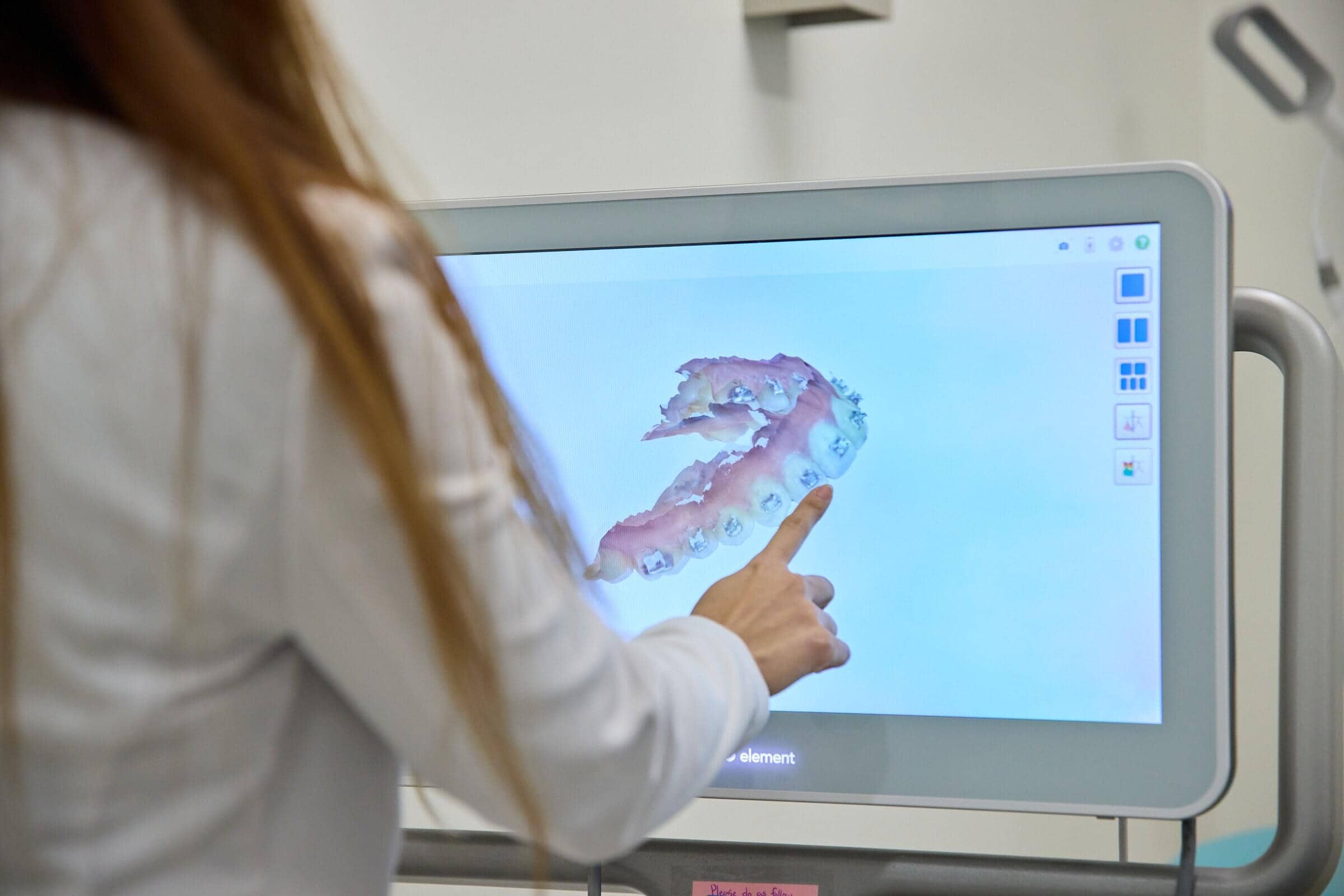
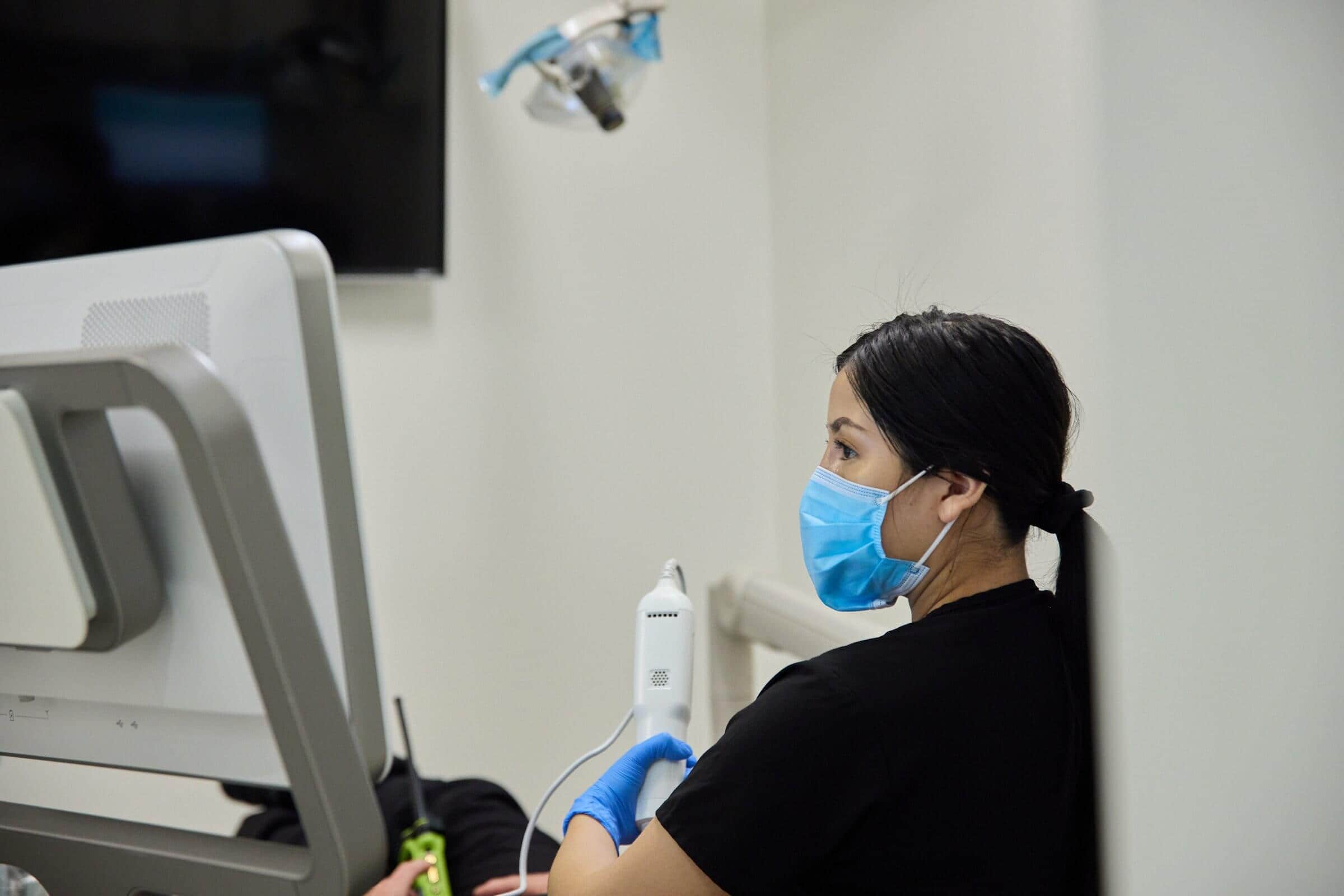
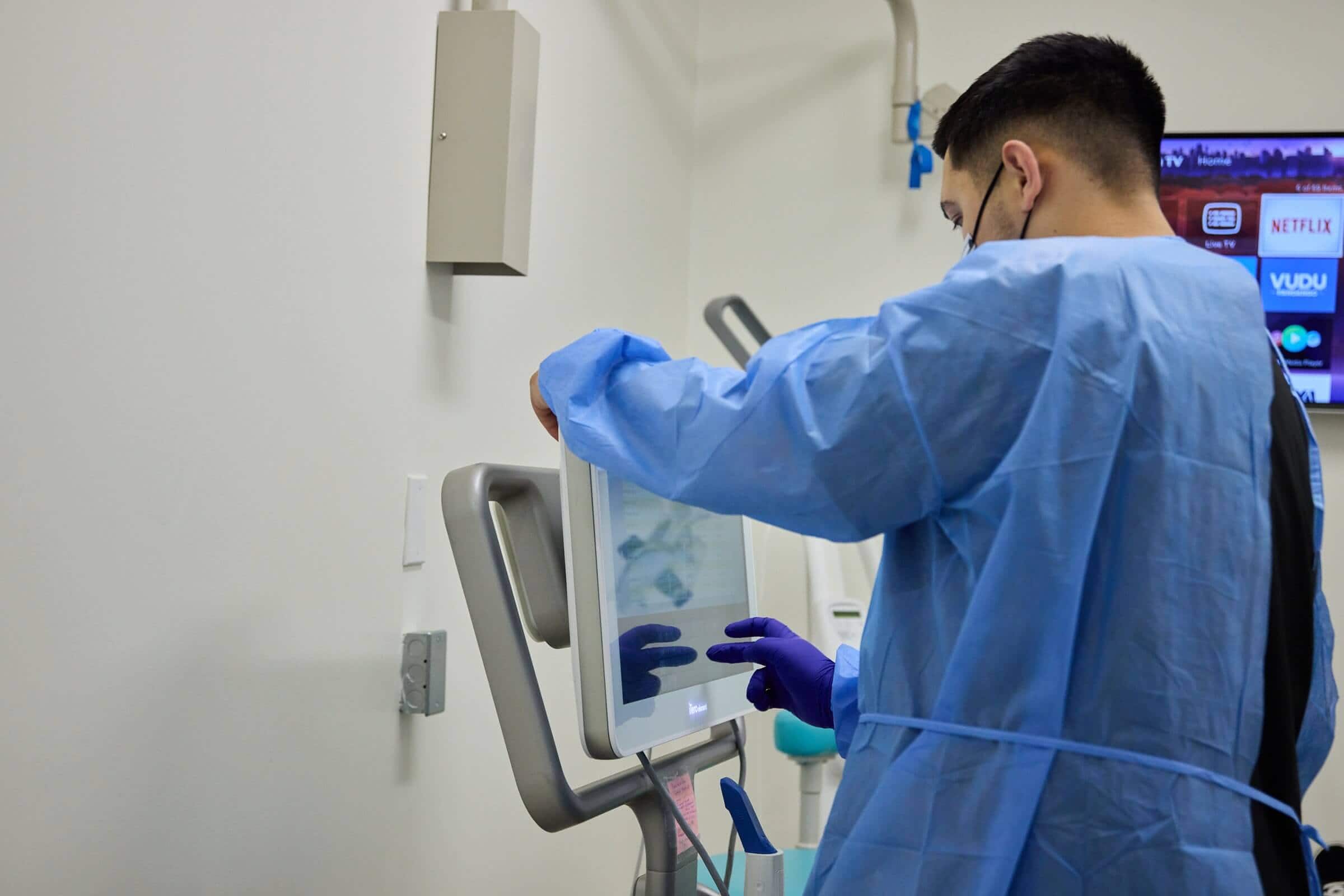
After the initial exam, you’ll usually get imaging done, often a 3D scan called a cone beam CT. This lets the dentist see your jawbone’s thickness, shape, and nerves in detail.
X-rays alone don’t cut it for implants. The 3D images help your dentist plan exactly where each implant will go, reducing risks and making sure they fit and feel natural.
The scan also spots hidden bone loss or other issues that might need fixing before implants. You’ll get a clear picture of your options after this, with recommendations tailored to your needs.
A Clear Path Forward For Missing Teeth
Living with missing teeth can affect how you eat, speak, and feel about your smile. Dental implants can restore comfort and stability when the timing and health factors are right.
At Dentist of Torrance, the focus is on calm guidance, modern technology, and care that respects your concerns. Every recommendation is based on your health, comfort, and long-term oral function.
If you’re still unsure about whether you’re a good candidate for dental implants, a simple evaluation can help. Request an appointment or call our Torrance office to get clear, pressure-free answers.
Frequently Asked Questions
What Factors Determine Eligibility For Dental Implants?
Your overall health and oral condition matter most. Healthy gums and enough jawbone to support the implant are must-haves, and your dentist will check if you’re likely to heal well.
Are There Any Health Conditions That Disqualify Someone From Getting Dental Implants?
Conditions like uncontrolled diabetes, immune disorders, or recent cancer treatment can affect healing. Smoking and heavy alcohol use may also lower your chances of implant success.
How Does Jawbone Density Affect Suitability For Dental Implants?
You need a strong jawbone to keep the implant in place. If your bone is thin or weak, you might need a bone graft before getting implants.
Are Dental Implants Advisable For People With Certain Lifestyle Habits?
Smoking or poor oral hygiene can cause implant problems. Your dentist will go over steps to improve your habits before treatment if needed.
Can Age Impact The Success Of Dental Implants?
There’s no strict age limit. Implants can work well for older adults if their overall health is good and healing looks promising.
What Preparatory Steps Should Be Taken To Assess Implant Candidacy?
Your dentist will do a full exam, including X-rays or scans to check bone quality. They'll also review your health history to spot any risks. It's all about making sure you're safe and comfortable before moving forward.