Gum swelling can be scary, especially when it hurts, bleeds, or makes eating uncomfortable. If you’re wondering about gum swelling and when to seek urgent dental care in Torrance, you’re in the right place.
At Dentist of Torrance, we keep the focus on comfort first. You’ll get a gentle exam, modern diagnostics, and clear answers without judgment.
This guide covers what gum swelling can mean, the red flags to take seriously, what an urgent visit is like, and simple ways to help prevent flare-ups.
Recognizing Gum Swelling
Swollen gums can be uncomfortable and sometimes signal a problem. Knowing how to spot the signs, understand the causes, and recognize when to seek urgent dental care in Torrance helps protect your oral health and comfort.
Common Signs And Symptoms
You might notice gums that look redder or puffier than usual. They can feel tender, sore, or painful when you touch or brush them.
Sometimes, your gums bleed easily, especially when flossing or brushing. Other signs include gum tenderness or tenderness around a tooth.
You may also feel a constant throbbing or sharp pain near the swollen area. If your gums begin to pull away from your teeth, it can create small pockets that trap food and bacteria. Paying attention to these symptoms early can help you get the care you need before things get worse.
Possible Causes Of Swollen Gums
Swelling often happens because of plaque buildup, causing inflammation called gingivitis. Poor dental hygiene, like skipping brushing or flossing, lets bacteria irritate your gums.
Other causes include infection from a trapped food particle or an injury from hard or sharp foods. Sometimes swollen gums result from irritation due to dental appliances like braces or dentures.
Certain health conditions, like vitamin deficiencies or hormonal changes, can also cause gum swelling. Knowing the cause helps you and your dentist choose the right treatment to reduce swelling and protect your teeth.
When Swelling Indicates A Serious Concern
If your gums stay swollen for more than a few days or the pain increases, visit a dentist right away. Swelling with severe pain, constant bleeding, or pus may mean an infection needs urgent treatment.
Other signs to watch for include fever, trouble chewing, or swelling spreading beyond your gums. These symptoms can point to a serious dental problem that needs quick care to avoid complications.
Urgent Dental Care: When To Contact A Dentist In Torrance
If you notice sudden or severe gum swelling, it’s important to know when your symptoms need quick professional help. Some warning signs mean you should see a dentist right away.
Red Flags Requiring Immediate Attention
Call your dentist if your gum swelling is accompanied by severe pain, spreading redness, or swelling that affects your face or neck. These signs may mean an infection is getting worse and needs fast treatment.
Other urgent signs include pus or discharge near your gums, difficulty opening your mouth, trouble swallowing, or a fever. If your gums start bleeding heavily or if swelling follows a recent injury, contact your dentist immediately.
Don’t wait if you have a lump or sore that doesn’t heal within a few days. These symptoms require prompt care to prevent complications.
How Emergency Dental Services In Torrance Operate
In Torrance, emergency dental care is available weekdays and often on Saturdays by appointment. When you call, a team member will ask about your symptoms and schedule the soonest possible visit.
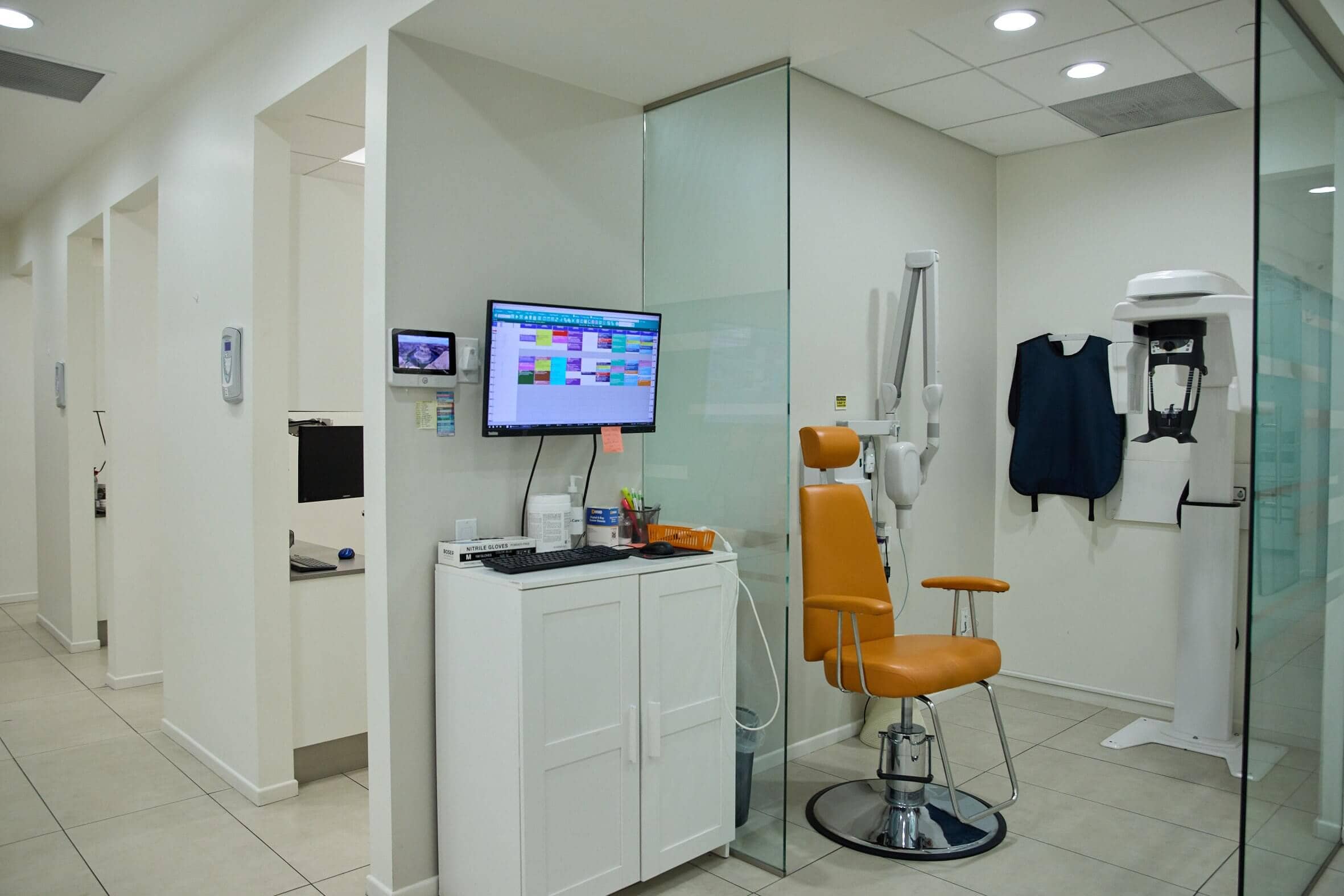
Emergency dental offices use modern tools to diagnose and treat urgent problems quickly. They focus on relieving pain and preventing infections from spreading.
If you need follow-up care, they’ll explain your options clearly. Same-day or next-day appointments help reduce your discomfort.
During busy times, the team prioritizes emergencies to make sure you get the support you need.
What To Expect During An Urgent Dental Visit
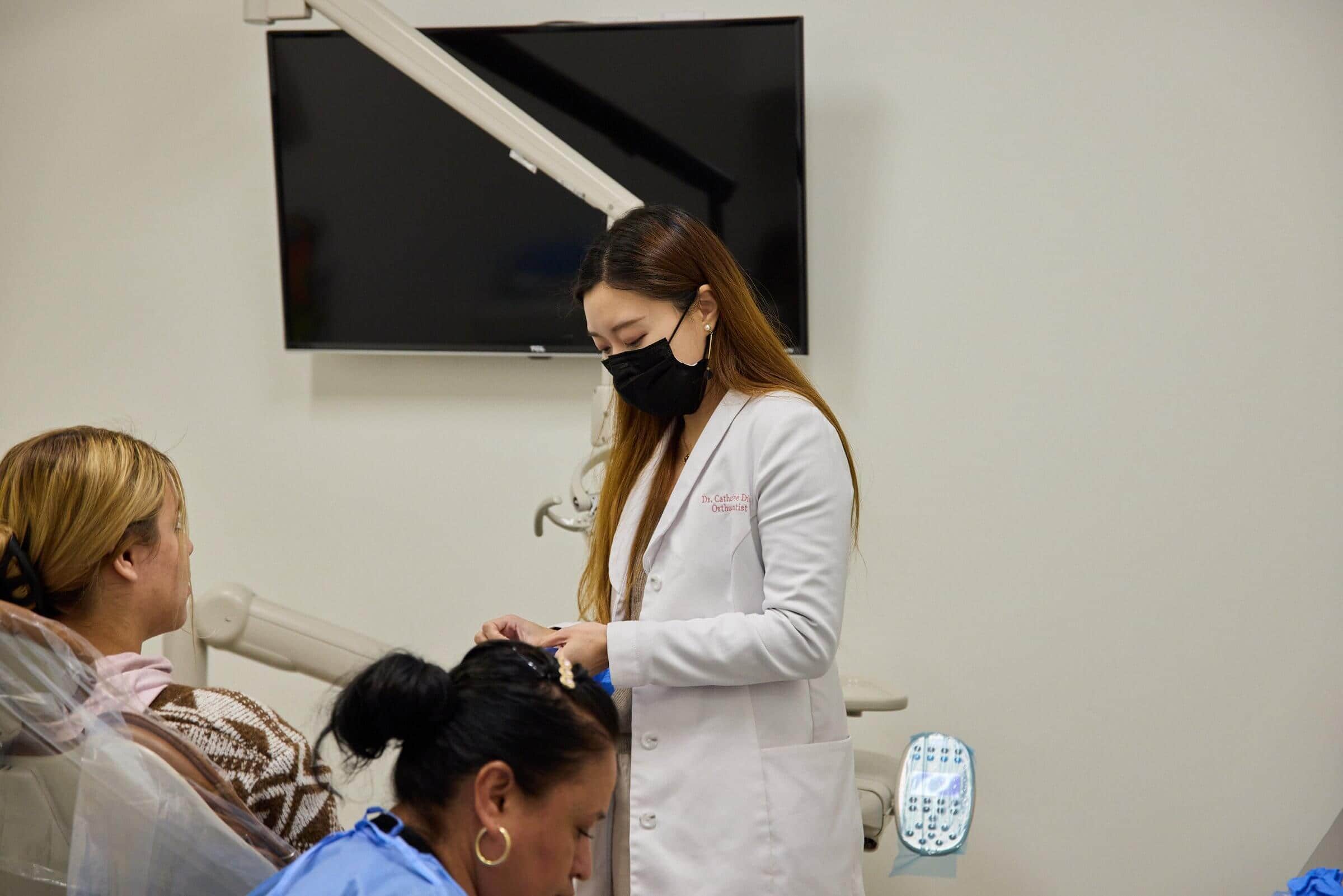
When you arrive, the staff will welcome you and take a careful history of your symptoms. The dentist will do a gentle exam and may take X-rays to figure out what’s causing your gum swelling.
Your comfort always comes first. The dentist will explain treatment before starting, whether it’s cleaning, draining an infection, or prescribing medication.
After treatment, you’ll get advice on how to care for your gums at home and when to return if needed. The goal is to support your healing and keep your smile healthy and comfortable.
Preventing Gum Swelling
Keeping your gums healthy takes consistent care. Small daily habits, regular dental visits, and a healthy lifestyle all help stop gum swelling before it starts.
Best Oral Hygiene Practices
Brushing your teeth twice a day with a soft-bristle brush is key. Use gentle circular motions to clean along the gumline without causing irritation.
Floss daily to remove plaque and food particles between teeth. This helps prevent gum inflammation and swelling.
Rinsing with an antibacterial mouthwash can reduce harmful bacteria in your mouth. Avoid harsh mouthwashes that may dry out your gums.
If you notice any early signs of discomfort or swelling, adjusting your brushing technique or switching to a sensitive toothpaste might help.
Routine Dental Checkups
Visiting your dentist regularly helps catch gum issues before they worsen. During a cleaning, your dentist or hygienist will remove plaque buildup that you might miss at home.
Your dentist can check for early gum disease signs, like redness or tender spots. Early care often means simpler treatment. Regular checkups also allow your team to give personalized advice based on your gum health and habits.
Lifestyle Factors That Impact Gum Health
Your daily choices affect your gums a lot. Avoid tobacco because it reduces blood flow and weakens your gum tissue.
Eating a balanced diet rich in vitamins C and D supports healthy gums. These nutrients help repair gum tissue and fight infection. Stress can also affect your oral health. It lowers your body's ability to fight bacterial attacks in your gums.
Drink plenty of water throughout the day to keep your mouth hydrated. Dry mouth can make gums more prone to irritation and swelling. By managing these lifestyle factors, you support healthy gums and reduce the chance of swelling.
Treatment Options For Swollen Gums
Swollen gums can be uncomfortable and may need different types of care depending on the cause. You can start with simple steps at home to ease pain and reduce swelling.
If the problem continues, professional dental care offers more thorough treatments to protect your gums and overall oral health.
Home Remedies For Temporary Relief
You can try several home remedies to ease swollen gums before seeing a dentist. Gently rinsing your mouth with warm salt water helps reduce bacteria and soothe irritation.
Avoid very hot or spicy foods, which can make swelling worse. Using a soft-bristled toothbrush and brushing gently removes plaque without hurting sensitive gums.
Over-the-counter pain relievers may help reduce discomfort. Applying a cold compress to the outside of your cheek can also ease swelling and pain.
While these steps can bring temporary relief, they don’t replace professional care. If your swollen gums worsen or last more than a few days, make an appointment promptly.
Professional Treatments Available In Torrance
If home care isn’t enough, dental professionals offer treatments to address the underlying causes of gum swelling. Deep dental cleanings remove plaque and tartar buildup, especially below the gum line, which helps reduce inflammation.
This process can stop gum disease from getting worse. In some cases, medications like antibacterial rinses or antibiotics are used to control infection.
For severe gum problems, more advanced therapies may be needed to restore gum health. Your dentist will examine your gums, explain your specific condition, and guide you through gentle, modern treatment options. They focus on your comfort and long-term oral health to help you feel better quickly.
Long-Term Oral Health Tips
Managing your gum health after a swelling episode takes ongoing care and attention. You need to keep your gums strong and check regularly for any signs that problems might be coming back. Staying on top of these habits can help you avoid more serious issues later.
Maintaining Healthy Gums After Recovery
Once your gum swelling improves, keep up a good cleaning routine. Brush twice a day gently with a soft-bristled toothbrush, and floss daily to remove plaque where your brush can’t reach.
Using an antimicrobial mouthwash can also help reduce bacteria that cause irritation. Eat a balanced diet rich in vitamins like C and D, as they support your gum tissue.
Avoid tobacco and reduce sugary foods, which can increase the risk of gum problems. Make sure to visit your dentist regularly for professional cleanings and check-ups. They can catch early signs of trouble and help you stay on track.
Monitoring For Recurring Issues
Pay close attention to how your gums feel and look after recovery. Swelling, redness, or tenderness that returns should prompt you to contact your dentist promptly.
Keep a simple diary of any discomfort or changes you notice between visits. If you experience severe gum pain or swelling that worsens quickly, don’t wait to get help. Early action prevents complications and helps keep your smile healthy over time.
Relief Starts With Knowing When To Act
Gum swelling can be uncomfortable and worrying, especially when pain, pressure, or bleeding doesn’t improve. Knowing when symptoms are minor and when they signal something urgent helps you protect your health and avoid bigger problems.
At Dentist of Torrance, care is focused on easing pain, identifying the cause, and helping you feel calm and informed. Gentle exams and clear explanations make urgent visits less stressful.
If swelling worsens, spreads, or becomes painful, don’t wait. Call our Torrance Office or request an appointment to get timely care and peace of mind.
Frequently Asked Questions
What signs indicate that my gum swelling requires immediate dental attention?
If your swollen gums come with severe pain, bleeding that won’t stop, or pus, you should see a dentist right away. Also, if you notice swelling spreading to your face or neck, or if you have trouble breathing or swallowing, seek urgent care.
Are there home remedies I can try before visiting a dentist for gum swelling?
You can try rinsing gently with warm salt water. It might ease mild swelling and help cut down on bacteria. Sometimes, pressing a cold compress outside your cheek helps with pain and takes the edge off swelling. Avoid very hot or crunchy foods until you get it checked out.
How can I tell if my gum swelling is due to an infection?
Swollen gums that look red, feel warm, and come with a bad taste or smell, plus pus, can signal infection. If you notice a fever or feel generally unwell, an infection is a strong possibility.
Getting dental care quickly matters, since infections can worsen faster than expected. If you’re unsure, an exam can confirm what’s going on.
What could be causing my gums to swell suddenly?
Sudden swelling could be gum disease, an abscessed tooth, or an injury. Sometimes, an allergic reaction is the culprit.
Poor oral hygiene or irritation from dental work can stir things up, too. Certain medications or changes in your health can also play a role.
At what point does gum swelling become a serious medical issue?
If swelling makes it tough to eat, talk, or breathe, that's a red flag. When it spreads past your gums to your face or jaw, or you have severe pain and discharge, it’s time to get same-day help.
How quickly should I seek dental care if I experience severe gum pain along with swelling?
Severe gum pain with swelling isn’t something you want to ignore. Reach out to your dentist as soon as you can, and same-day care is ideal if it’s intense.
Prompt treatment can ease the pain and help prevent things from getting worse. If you’re worried, it’s better to be seen sooner rather than later.