If you’re dealing with jaw soreness, pressure in the back of your mouth, or worry about future dental pain, you may be asking why early wisdom tooth evaluation matters. These teeth often cause problems before you can see or feel them clearly.
At Dentist of Torrance, early wisdom tooth checks focus on comfort, clarity, and prevention. Modern imaging helps spot issues early, so patients are not caught off guard by sudden pain or urgent treatment.
This page explains what wisdom teeth are, why early evaluation matters, common warning signs, and what to expect during an exam. A little knowledge now can help you avoid bigger problems later.
What Are Wisdom Teeth?
Wisdom teeth are the third and final set of molars located at the very back of your mouth. Most adults have four wisdom teeth, one in each corner.
They don’t usually play a big role in chewing. Because they come in later than other teeth, your jaw may not have space for them. This can cause wisdom teeth to push against others or get stuck, which might lead to pain or dental problems. Early evaluation helps spot these issues before they get worse.
When Do Wisdom Teeth Erupt
Wisdom teeth typically begin to come in between the ages of 17 and 25. This process is called eruption, and it can be slow or faster depending on the person.
Sometimes you may not feel anything when wisdom teeth start coming in. Other times, you might notice soreness in the back of your mouth, swelling, or tenderness.
A dentist can use X-rays to see how your wisdom teeth are growing, even before you feel any pain. It’s a bit wild how much goes on beneath the surface before you notice anything.
Common Wisdom Tooth Issues
Wisdom teeth can cause problems like crowding, pain, or infections. One common issue is an impacted tooth, which means the tooth is trapped under gum or bone and can’t come in properly.
This can cause swelling and discomfort. Sinus pressure can also happen, especially in the upper jaw, leading to congestion or pain.
If wisdom teeth aren’t removed when needed, they may lead to gum disease or damage to nearby teeth. Early check-ups help manage these risks with gentle, patient-focused care.
Importance of Early Evaluation
Early evaluation of your wisdom teeth helps catch problems before they start. It gives you a chance to avoid pain, infections, and complicated treatments.
Knowing what to expect lets you make clear choices about your dental health. Finding out early if your wisdom teeth may cause trouble helps keep your mouth healthy.
Benefits of Early Diagnosis
Getting checked can reveal if a tooth is stuck under the gums or growing in the wrong way. This can prevent pain and swelling before it begins.
Early diagnosis also allows your dentist to plan the safest way to manage your wisdom teeth. If removal is needed, it’s often easier and healing is faster when done sooner.
Plus, early care may reduce the risk of infection or damage to nearby teeth. By scheduling regular visits, you stay ahead of any changes.
Potential Risks If Ignored
If you skip early evaluation, problems can grow unnoticed. Impacted wisdom teeth can cause pain, swelling, and even infections.
These infections may spread, making treatment harder and more painful. Ignoring issues may also lead to damage to your other teeth, like crowding or cavities.
Sinus pressure and headaches are common when wisdom teeth press on sensitive areas near your nose. Waiting too long can mean surgery becomes more complex, with longer recovery times.
Without early care, you might face unexpected pain or expensive dental work. It’s just not worth the risk.
Who Should Get Evaluated
Most teenagers and young adults should have their wisdom teeth checked. This is usually between ages 16 and 22, when wisdom teeth start to come in.
If you notice pain, swelling, or discomfort in the back of your mouth, it’s important to see your dentist. Even if you feel no pain, evaluation is key.
Some wisdom teeth cause no symptoms until they create bigger problems. Early evaluation keeps your smile healthy and your dental care simple. That’s a big reason why early evaluation of wisdom teeth matters.
Signs You May Need a Wisdom Tooth Evaluation
You might notice certain changes in your mouth or jaw that suggest your wisdom teeth need a closer look. Some signs include discomfort when chewing, pain in your jaw, or shifts in how your teeth fit together.
Paying attention to these little details can help you decide when to visit your dentist. Don’t ignore what your mouth’s trying to tell you.
Symptoms of Impacted Wisdom Teeth
Impacted wisdom teeth don’t have enough space to grow normally. This can cause pain, swelling, or redness around the back of your mouth.
You might also notice bad breath or a bad taste that won’t go away, which can be caused by trapped food or infection near the partial tooth. In some cases, your gums could be tender or bleed when brushing.
If you feel discomfort or swelling near your wisdom teeth, it’s a good idea to get an evaluation. Early care can help prevent more serious issues later by spotting problems before they get worse.
Jaw Pain and Swelling
Jaw pain near your wisdom teeth might mean they are pushing on nearby teeth or causing inflammation. This pain can range from dull and constant to sharp and sudden.
You may also notice swelling on one or both sides of your jaw that lasts for days or comes and goes. Swelling can limit how wide you open your mouth or make chewing uncomfortable.
If your jaw feels stiff or sore for no clear reason, an early exam helps find out if your wisdom teeth are causing this. Getting treatment before the pain gets worse means you can feel better sooner.
Changes in Bite Alignment
Wisdom teeth can push other teeth out of place because there isn’t enough room for them. This pressure may cause your bite, or how your upper and lower teeth come together, to change.
You could notice your teeth feeling crowded, shifting forward, or even crooked. These changes might affect chewing or how your smile looks.
Early wisdom tooth evaluation lets your dentist check for shifts and offer solutions before major adjustments or orthodontic issues develop. That’s a relief, honestly.
Role of Dental Professionals in Evaluation
Dental professionals play an important role in checking your wisdom teeth early. They use special tools and create a plan that fits your needs.
This helps protect your oral health and prevent problems later on. You really do want someone who knows what they’re looking for.
Diagnostic Tools and Imaging
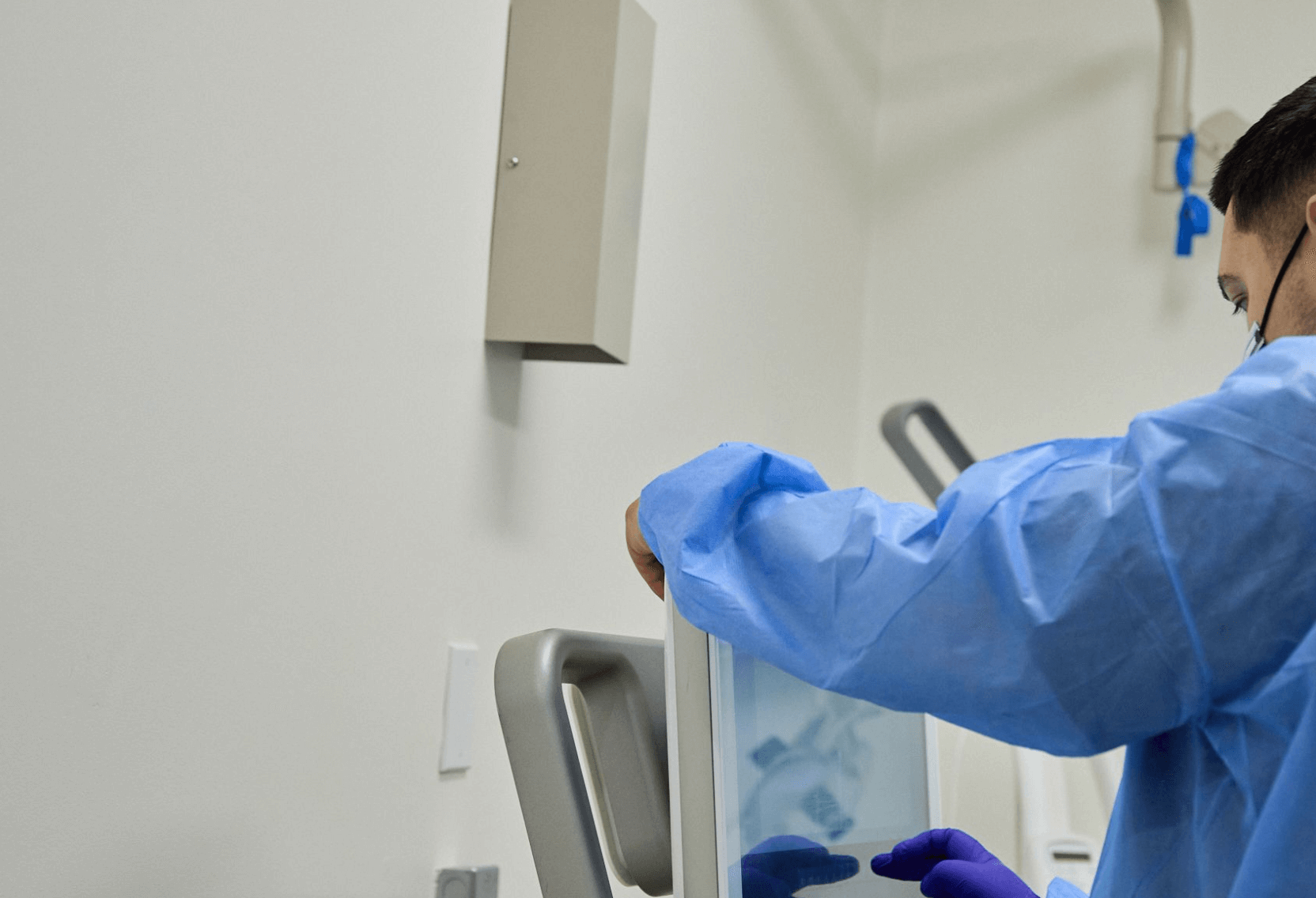
To see what’s happening with your wisdom teeth, dentists use X-rays or 3D scans. These images show the exact position of your teeth below the gum line.
This helps spot if they are impacted or growing at the wrong angle. By carefully reviewing these images, your dentist can detect signs of infection, crowding, or damage to nearby teeth.
Using modern tools allows for a gentle, clear, and accurate assessment. Early diagnosis makes it easier to decide if removal or monitoring is the best choice for your comfort and health.
Customized Treatment Plans
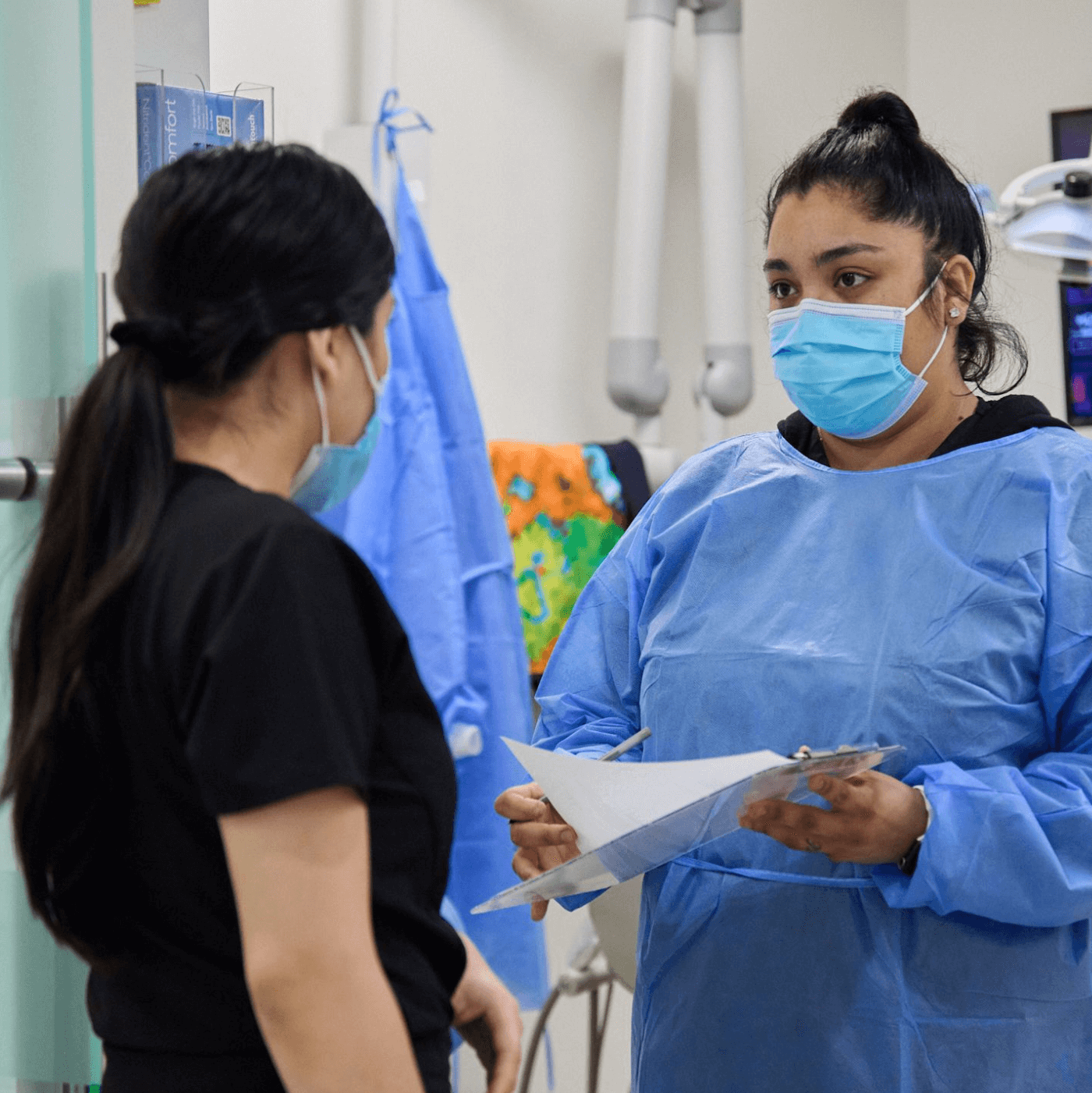
Once your wisdom teeth are examined, the dental team creates a plan just for you. Each plan considers your age, tooth position, and oral health.
This helps avoid pain, infection, and other issues that can arise without treatment. Your personalized plan explains what will happen before, during, and after any procedure.
The goal is to keep you comfortable and informed. This clear, patient-focused approach helps you feel confident in your care decisions.
Preventive Care and Long-Term Oral Health
Taking care of your wisdom teeth early helps protect your mouth from future problems and keeps your smile healthy over time. You can avoid pain, infections, and damage to nearby teeth by checking your wisdom teeth before issues begin.
Preventing Future Complications
Early evaluation of your wisdom teeth lets your dentist spot problems before they start. Wisdom teeth can cause pain, infection, or crowding if they don’t come in right.
They might also push against other teeth or cause cysts. This helps prevent intense pain, infections, or sinus problems that sometimes happen with wisdom teeth growth.
Early care means fewer emergency visits and less complicated treatment. And honestly, who wants an emergency dental visit?
Maintaining Healthy Smiles
Keeping your wisdom teeth healthy matters for your overall mouth health. When wisdom teeth come in clean and properly, they do not cause gum issues or lead to cavities in hard-to-reach places.
But if they are impacted or partially erupted, bacteria can build up, causing gum disease and bad breath. Regular checkups with your dentist help you maintain a bright, healthy smile.
You’ll get clear explanations about your options and feel confident making choices that protect your teeth. Your comfort always comes first during these visits, and modern tools make the process gentle and easy.
Plan Ahead And Avoid Wisdom Tooth Pain
Wisdom teeth can cause pressure, swelling, and sudden pain when problems go unnoticed. Early evaluation helps reduce surprises, lowers the risk of infection, and keeps treatment simpler and more comfortable.
At Dentist of Torrance, patients receive calm guidance, modern imaging, and clear answers so they can address concerns about wisdom teeth before pain or emergencies develop.
If you are noticing jaw discomfort or want peace of mind, call our Torrance Office to schedule an early wisdom tooth evaluation at a pace that feels right for you.
Frequently Asked Questions
What Are the Benefits of Early Wisdom Teeth Evaluation for Young Teens?
Early evaluation helps catch potential problems before they start. Your dentist can spot if wisdom teeth might cause crowding, pain, or infections.
This means treatment can be planned to avoid bigger issues in the future. Honestly, it’s just less stressful that way.
At What Age Should Someone Consider Getting an Evaluation for Wisdom Teeth Removal?
Most dentists recommend an evaluation between the ages of 16 and 19. This is when wisdom teeth often begin to grow, but before major problems develop.
Early checkups help create a clear plan if removal is needed. It’s not always urgent, but it’s good to know where you stand.
Are There Any Risks Associated With Early Removal of Wisdom Teeth?
Early removal is generally safe but can carry common surgery risks like swelling or mild discomfort. Your dentist will explain what to expect and take gentle steps to keep you comfortable.
They only suggest removal if it’s the best choice for your health. No one’s pushing surgery if you don’t need it.
What Indicators Suggest It's Time for a Wisdom Tooth Evaluation?
Signs include soreness at the back of your mouth, swelling, trouble opening your jaw, or headaches. Even without symptoms, regular dental visits help catch issues early through X-rays and exams.
How Common Is It for Wisdom Teeth to Emerge in Early Adolescence?
Wisdom teeth rarely show up as early as age 12 or 13. Most folks notice them starting to grow in sometime between 17 and 25.
Why Might a Dental Professional Suggest a Consultation Before Removing Wisdom Teeth?
A consultation lets your dentist check out how your wisdom teeth are sitting in your mouth. They'll probably use X-rays and chat with you about the different options.
That way, you get a clearer idea of what's going on and can actually ask questions before making any decisions. It's not just about the teeth; it's about making sure you know what's up.