You look in the mirror and notice a chipped tooth, a stubborn stain that whitening never fixed, or a gap that has always made you hesitant to smile in photos. Dental veneers are one of the most direct ways to address those exact concerns without braces or surgery.
When veneers are done well, the results look natural and can last a decade or more with regular care. That means fewer follow-up treatments and a smile you feel comfortable showing every day, not just for special occasions.
This article walks you through what veneers are made from, which cosmetic concerns they can fix, how the process works from consultation to placement, and how they compare to other options like bonding and whitening.
The guidance here comes from the team at Dentist of Torrance, a full-service cosmetic dentistry practice, so every answer is grounded in real clinical experience with real patients.
How Veneers Change The Look Of Teeth
Veneers work by covering visible imperfections with a durable, tooth-colored shell, and the material you choose plays a big role in how natural the result looks and how long it lasts.
What Veneers Are Made From
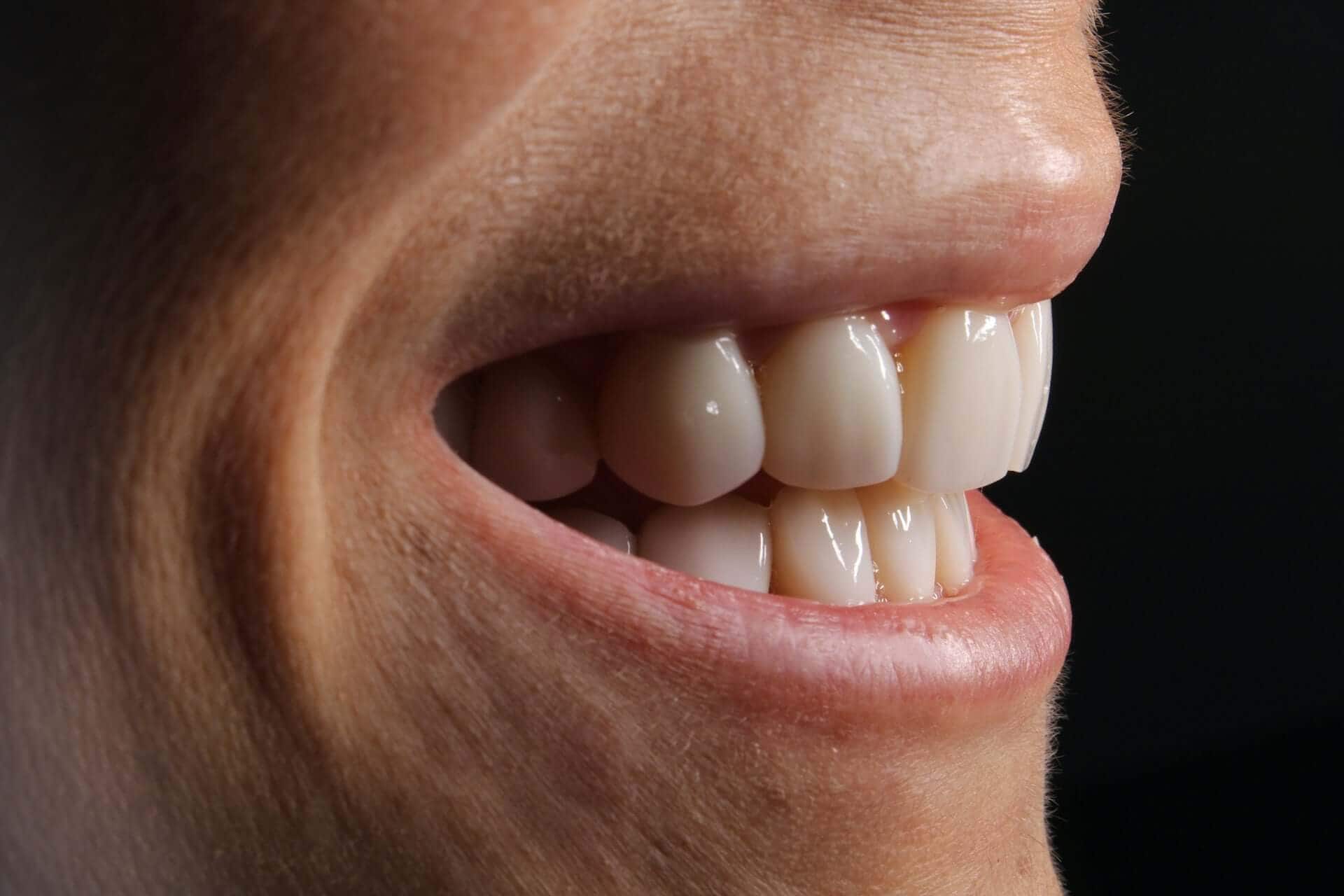
Porcelain veneers are the most widely used option in cosmetic dentistry. They are custom-crafted in a dental lab to match the shape and shade of your surrounding teeth, which is why they tend to look so natural in the final result.
Composite veneers use the same resin material as dental bonding. Your dentist applies them directly to the tooth surface and shapes them by hand, which makes the appointment faster, but the material is softer and more prone to staining over time.
Porcelain reflects light the way natural enamel does. That quality makes it especially difficult to tell a porcelain veneer apart from the real tooth beside it.
Aesthetic Concerns Veneers Can Improve
Patients who explore porcelain veneers in Torrance often come in with one of a handful of common concerns. Veneers can address:
Chips or small breaks on front teeth
Deep stains that do not respond to professional teeth whitening in Torrance
Gaps or spacing between teeth
Teeth that are noticeably smaller than the rest
Teeth with an irregular or misshapen appearance
Veneers are not a fix for crooked teeth in the clinical sense. If your teeth are significantly out of alignment, orthodontic treatment would be the more appropriate course of action. Veneers work best when the underlying tooth is structurally healthy, and the concern is primarily cosmetic.
How Veneers Support Long-Lasting Cosmetic Results
Porcelain is a hard, non-porous material, which means it resists staining from coffee, tea, and wine far better than natural enamel or composite resin. That resistance is one reason patients often find that a veneer holds its color longer than a dental bonding on the same tooth.
With consistent brushing, flossing, and routine checkups, porcelain veneers typically last between 10 and 15 years. Some last longer. The lifespan depends heavily on daily habits, which is why your dentist will talk through care expectations before you commit to treatment.
When Veneers Make Sense And When They Do Not
Veneers are not the right choice in every situation, and knowing the difference up front saves you time, money, and frustration later. Understanding both the benefits and the real limitations helps you walk into a consultation with clear expectations.
Common Reasons People Choose Veneers
Most patients seeking a family dentist in Torrance for veneer consultations share similar motivations. They want a permanent-looking solution that holds up through daily life without requiring dramatic changes to their routine.
Veneers appeal to people who:
Have one or two discolored teeth that stand out against the rest
Chipped a front tooth years ago and want a durable fix
Feel self-conscious about uneven tooth lengths when they smile
Have tried whitening treatments without satisfying results
A dental checkup in Torrance is always the first step. Your dentist needs to confirm that your teeth and gums are healthy before veneers become a realistic option.
Are Veneers Bad For Your Teeth?
This is one of the most common questions people ask, and the honest answer is nuanced. Getting porcelain veneers requires removing a thin layer of enamel from the front of the tooth. That layer does not grow back, so the tooth will always need some form of coverage.
The procedure is not harmful to a healthy tooth when done correctly. Enamel removal is minimal, and the veneer itself protects the surface underneath. Problems arise when veneers are placed on teeth with active decay, gum disease, or fractures that should have been treated first.
Veneers are cosmetic only. They do not treat cavities, reinforce a cracked tooth, or correct bite problems. A routine teeth cleaning in Torrance and a thorough exam beforehand ensure that any underlying issues get resolved before your smile makeover begins.
Are Veneers Expensive?
Porcelain veneers are one of the more significant investments in cosmetic dentistry. The cost varies depending on how many teeth are treated, the material used, and the complexity of your case. Composite veneers tend to cost less upfront but may need to be replaced sooner, which affects their long-term value.
Most dental insurance plans classify veneers as a cosmetic treatment and do not cover them. Flexible financing options can make the cost easier to manage over time without paying everything at once.
What The Veneer Process Usually Looks Like
Getting veneers takes more than one appointment, and each visit has a specific purpose that builds toward your final result. Knowing what each step involves helps you prepare and makes the experience feel much less uncertain.
Consultation And Smile Planning
Your first appointment is a conversation as much as an exam. Your dentist reviews your teeth, checks your gum health, and talks through what you want to change about your smile. Digital X-rays and photos help document your starting point.
This is also the visit where you and your dentist decide how many veneers make sense, which material fits your goals and budget, and whether any other treatment needs to happen first. Think of it as building a plan together rather than simply being told what to do.
If sedation dentistry in Torrance is something you are curious about because of dental anxiety, now is the right time to bring it up. Your comfort during the process matters as much as the outcome.
Preparing The Teeth And Taking Impressions
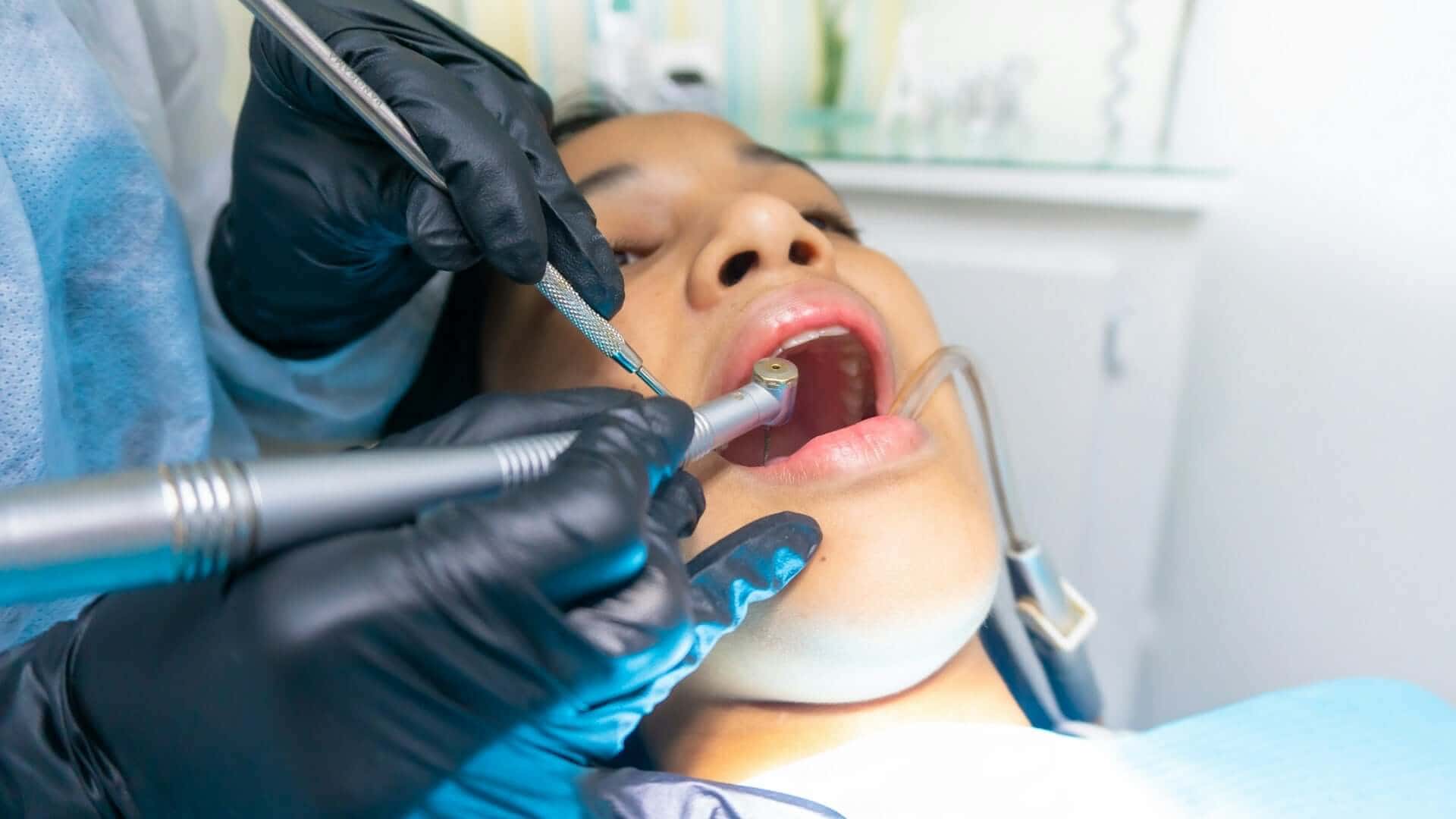
At the preparation appointment, your dentist removes a very thin layer of enamel from each tooth receiving a veneer. This creates the slight roughness that helps the veneer bond securely. Local anesthetic keeps the process comfortable.
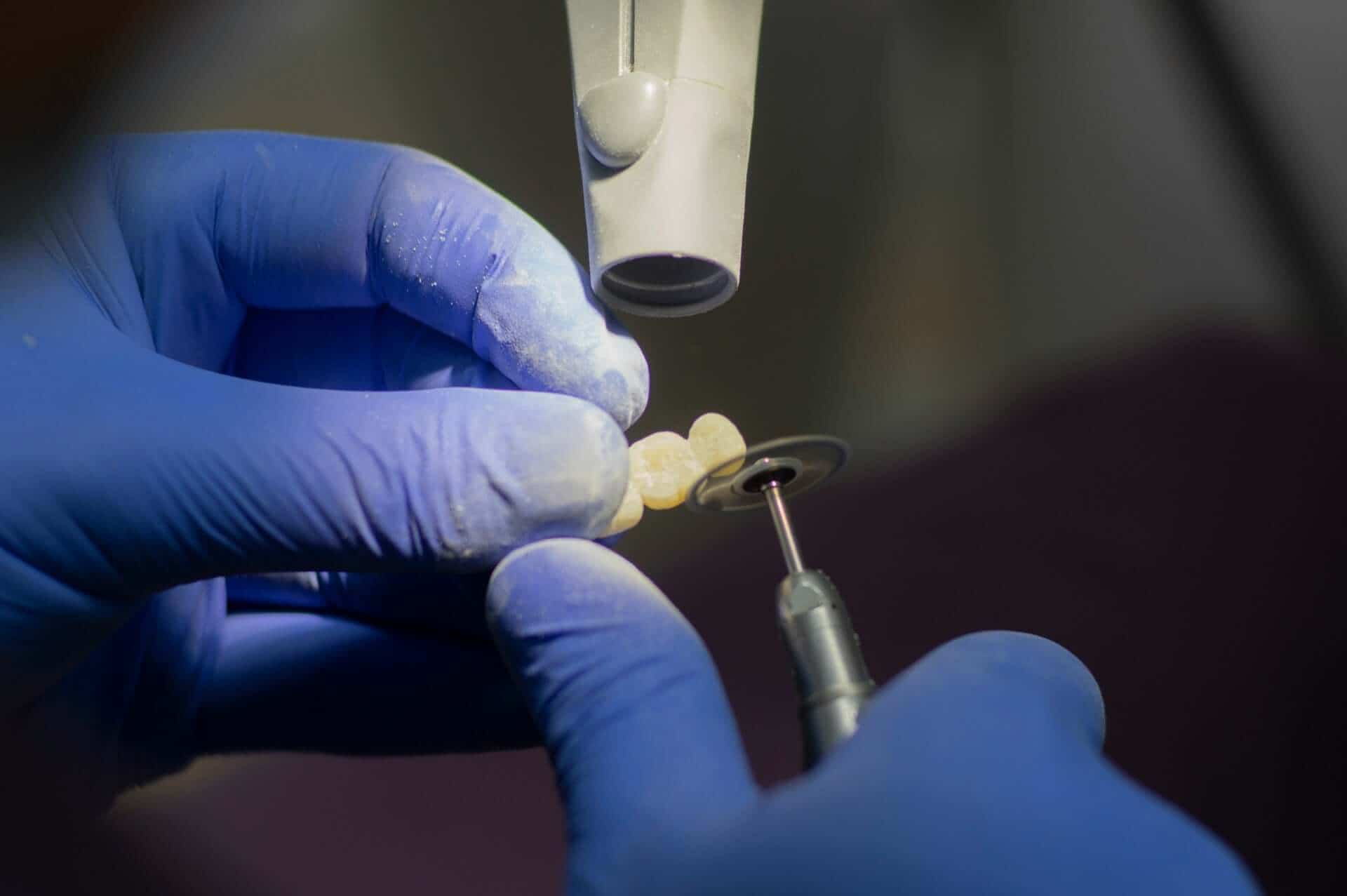
After shaping, your dentist takes a precise impression of your teeth. That impression goes to a dental lab where technicians craft your custom veneers. Temporary veneers cover your prepared teeth in the meantime so you are not walking around with exposed enamel between appointments.
The lab process typically takes one to two weeks. Some practices that use CAD/CAM technology can produce certain restorations faster, but traditional porcelain lab work takes time to get right.
Placement Care and Follow-Up Visits
When your permanent veneers return from the lab, your dentist checks the fit, color, and shape before bonding them in place. Small adjustments happen at this stage so the final result looks and feels natural. The bonding process uses a dental adhesive and a curing light to lock everything in.
After placement, your dentist schedules a follow-up visit to check how the veneers are settling and whether your bite feels comfortable. Payment options and financing in Torrance can be arranged before or after treatment, so do not let cost concerns keep you from asking questions at any stage.
Veneers Compared With Other Cosmetic Fixes
Veneers are one tool in a larger set of cosmetic options, and they are not always the most practical choice for every concern. Comparing them directly to bonding, crowns, and whitening helps clarify exactly when veneers earn their place.
Veneers Vs Bonding For Chipped Or Uneven Teeth
Dental bonding uses composite resin applied directly to the tooth to fill chips, close small gaps, or even out irregular shapes. It costs less than veneers and can often be completed in a single appointment. For minor cosmetic fixes, bonding is a solid, affordable choice.
The tradeoff is durability. Composite resin is softer than porcelain, which means it chips more easily and stains faster. Veneers vs bonding for chipped or uneven teeth often comes down to the size of the concern. A small chip on one tooth may be a perfect candidate for bonding. A set of front teeth with multiple uneven edges and discoloration is usually better served by porcelain veneers.
Veneers Vs Crowns For Damaged Teeth
Dental crowns cover the entire tooth, not just the front surface. That full coverage is what makes porcelain crowns in Torrance the right choice when a tooth is cracked, severely decayed, or structurally weak. A crown restores strength as well as appearance.
Veneers sit only on the front face of the tooth. They improve how a tooth looks, but they do not reinforce it. If your dentist identifies structural damage during your exam, a crown addresses both functional and cosmetic concerns in a single treatment.
Whitening Vs Veneers For Stains And Discoloration
Professional teeth whitening in Torrance works well on surface-level yellowing caused by food, drinks, and aging. It is non-invasive, fast, and significantly less expensive than veneers.
The limitation is that whitening cannot change the color of teeth stained from the inside, such as teeth affected by tetracycline, fluorosis, or trauma. Those deeper stains do not respond to bleaching agents. Porcelain veneers cover that discoloration completely and hold their shade far longer than natural enamel after whitening.
Simple Ways To Protect Veneers Over Time
Your habits after placement matter just as much as the procedure itself. A few practical steps make a real difference in how long your veneers last:
Brush twice a day with a soft-bristled toothbrush and non-abrasive toothpaste
Floss daily to keep the gumline around each veneer clean
Wear a nightguard if you grind your teeth during sleep
Avoid biting into hard foods like ice, hard candy, or crusty bread with your veneered teeth
Keep your scheduled cleanings and checkups every six months
A fluoride treatment at your regular cleaning visit helps protect the natural enamel on your non-veneered teeth, which supports the overall health of your smile. An oral hygiene guide for kids from your dentist is equally useful for parents who want to build good habits early in their household.
Frequently Asked Questions
These are the questions patients ask most often before committing to veneers, answered plainly so you can make a confident decision.
How much do veneers typically cost?
Porcelain veneers generally range from $900 to $2,500 per tooth, depending on the dentist, your location, and the complexity of your case. Composite veneers cost less but may need replacing sooner. Most dental insurance plans do not cover veneers because they are considered a cosmetic treatment.
Are veneers permanent, or can they be removed later?
Veneers are considered a permanent treatment because placing them requires removing a thin layer of enamel that does not grow back. Once that enamel is gone, the tooth will always need some form of coverage. That said, worn or damaged veneers can be replaced when needed.
What's the difference between porcelain veneers and composite veneers?
Porcelain veneers are custom-made in a dental lab and bonded to the tooth in a separate appointment. They are harder, more stain-resistant, and tend to last longer. Composite veneers are applied directly to the tooth in one visit using resin material, which makes them faster and less expensive but more prone to staining and chipping over time.
Do veneers damage or ruin your natural teeth?
Getting veneers requires removing a small amount of enamel from the front of the tooth, a procedure that is not reversible. When placed on a healthy tooth by a qualified dentist, veneers do not damage the underlying structure. Problems typically arise when veneers are placed on teeth with untreated decay or gum disease, which is why a thorough exam always comes first.
Can you get veneers on just your front teeth (like two teeth), and how does pricing work?
Yes, you can get veneers on as few as one or two teeth. Pricing is usually calculated per tooth, so treating two teeth costs significantly less than a full set. Your dentist will help match the shade and shape of your new veneers to the surrounding teeth so the result looks balanced.
Do veneers help protect your teeth, or are they purely cosmetic?
Veneers are primarily a cosmetic treatment and are not designed to strengthen or repair teeth. They cover the front surface but do not restore structural integrity the way a crown does. That said, the porcelain shell does add a layer of surface protection against minor everyday wear once it is in place.
Taking the Next Step Toward Your New Smile
Veneers are a reliable, long-lasting way to fix cosmetic concerns that whitening, bonding, or time alone cannot resolve. Porcelain veneers in Torrance work best when your teeth are structurally sound, your gums are healthy, and your expectations are grounded in what the treatment can realistically deliver.
The process takes several appointments and a meaningful financial commitment, but for patients who are good candidates, the results tend to hold up well and feel worth it. Understanding how veneers compare to bonding, crowns, and whitening helps you make a choice that actually fits your situation rather than one that sounds appealing but misses the mark.
If you are ready to find out whether veneers are the right fit for your smile, Dentist of Torrance is here to help. Payment options and financing are available to make treatment more accessible. Book your consultation and get a clear, honest picture of what is possible for your smile.