Tooth pain can take over your day, especially when heat, cold, or chewing triggers a sharp, lingering ache. If you want tooth pain relieved by root canal therapy in Torrance, understanding the cause is the first step toward real ease.
At Dentist of Torrance, we keep things calm and clear, using modern tools and gentle techniques to help you feel comfortable. You’ll know what’s happening, why it’s recommended, and how it can stop the pain while saving your natural tooth.
This page explains what root canal therapy is, why it works for stubborn tooth pain, what to expect during treatment, and how recovery usually feels. You’ll also find simple FAQs to help you decide your next step.
Tooth Pain And Its Causes
Tooth pain can show up as sharp, dull, constant, or occasional. It usually starts from something going wrong inside the tooth or in the nearby tissues.
Knowing what type of pain you have, why it’s happening, and when it’s time to take it seriously can help you get the right care fast. Sometimes it’s tough to tell, but paying attention to the details does matter.
Types Of Tooth Pain
Tooth pain isn’t all the same. You might notice:
Sharp pain when you bite or eat something hot or cold.
Dull, throbbing pain that comes and goes.
Constant ache that lingers for hours or even days.
Sensitivity to sweets or cold air.
Sometimes, the pain gets worse if you touch the tooth or move your jaw. It might start mild and then get more intense if you ignore it.
Noticing these changes can help you explain what’s going on when you see the dentist. Clear details often help the dentist pinpoint the cause faster.
Common Reasons For Toothaches
There are a bunch of reasons your tooth might hurt. Most often, it comes down to things like:
Tooth decay that leads to cavities.
Infections inside the tooth, like abscesses.
Cracks or fractures in the tooth.
Gum disease that causes inflammation around the tooth.
Other culprits include worn-out fillings, grinding your teeth, or even impacted wisdom teeth. Sometimes, pain is actually coming from somewhere else nearby, like your sinuses.
Either way, a careful checkup is key to figuring out the real cause so you can get the right fix. This is often the first step toward tooth pain relieved by root canal therapy in Torrance.
When Tooth Pain Signals A Serious Issue
Some warning signs mean you shouldn’t wait:
Pain sticking around for more than a day or getting worse.
Swelling in your jaw, face, or around the tooth.
Fever or feeling sick along with the tooth pain.
Difficulty eating or opening your mouth.
If you notice these, it could mean an infection that needs fast treatment. Root canal therapy can often save the tooth by removing the infection and stopping pain before things get worse.
What Is Root Canal Therapy?
Root canal therapy is a way to save a tooth that's damaged or infected. It stops pain, restores function, and helps prevent infection from spreading.
This treatment is precise and careful, aiming to keep your natural tooth healthy for the long haul. It’s not as scary as it sounds.
How Root Canal Therapy Works
Every tooth has soft tissue inside called pulp. If that pulp gets infected or damaged, you’ll probably feel sharp pain or sensitivity.
During a root canal, the dentist removes the unhealthy pulp to stop the infection. Then, they clean, disinfect, and shape the inside of the tooth.
After that, they fill the space with a special material to keep bacteria out. Usually, a crown goes on top to protect and strengthen the tooth.
This process lets you keep using your tooth without the pain. That’s the goal of tooth pain relieved by root canal therapy in Torrance.
Why Root Canal Therapy Relieves Pain
Most tooth pain comes from inflammation or infection in the pulp. When the pulp’s in trouble, pressure builds up inside your tooth and causes pain.
Root canal therapy removes the source of the pain and infection. Once the infected tissue is removed, many people feel relief quickly.
It also helps stop the infection from spreading to other teeth or your jaw. That prevention can be a huge relief, too.
Signs You May Need A Root Canal
Here are some signs you might need a root canal:
Severe tooth pain that lingers or gets worse
Sensitivity to hot or cold foods and drinks
Swelling or tenderness near the tooth
Darkening or discoloration of the tooth
A tiny bump or pimple on your gums near the tooth
If you’re dealing with any of these, don’t wait too long to see your dentist. Getting care early means less trouble down the road and much quicker relief.
Benefits Of Root Canal Therapy In Torrance
Root canal therapy does more than just stop the pain. It helps you keep your natural tooth, supports oral health, and improves comfort long term. This treatment brings back your tooth’s function and protects your smile. In many cases, it can do what pulling the tooth simply can’t.
Long-Term Pain Relief
If your toothache comes from infection or damage, root canal therapy can get rid of the pain. The dentist removes the infected tissue, so you’re not stuck with that throbbing feeling.
After treatment, many people feel normal again when eating, talking, or smiling. Any sensitivity you had should ease up, too, since the nerve inside the tooth is removed.
Preserving Your Natural Tooth
Keeping your real tooth matters for your dental health overall. Root canal therapy can save the tooth instead of losing it.
When you keep your natural tooth, your bite and jaw stay strong. It also helps you avoid shifting teeth that sometimes happen after extractions.
Pairing a root canal with a dental crown gives your tooth solid protection. Saving your tooth can also help you avoid bigger treatments later.
Improved Oral Health After Treatment
Removing an infection inside your tooth helps keep it from spreading. That lowers the risk of more complicated dental problems.
After a root canal, your tooth is cleaned, sealed, and restored. This helps keep bacteria from sneaking back in.
Root canal therapy can also make daily care easier. It’s tough to brush well when you’re hurting, so relief supports better habits.
The Root Canal Procedure Step By Step
A root canal treats pain and infection inside your tooth. The process includes an exam, removing infected areas, and restoring the tooth.
Here’s a look at what happens during your visit and how to care for your tooth afterward. Most people find it more manageable than they expected.
Consultation And Diagnosis
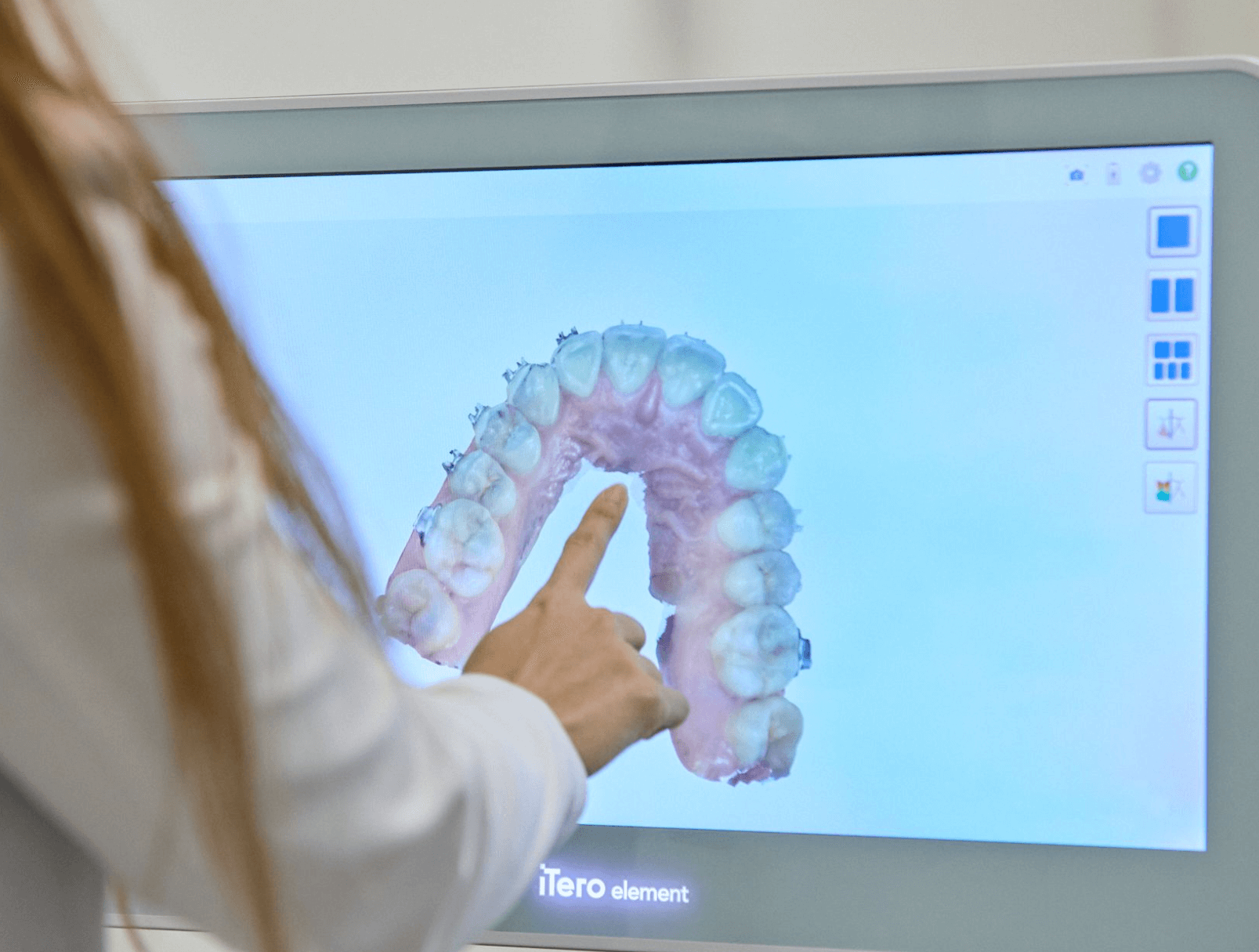
Everything starts with a visit where the dentist asks about your pain and checks your tooth. X-rays may be needed to spot infection or root damage.
This helps the dentist decide if a root canal is your best option for saving the tooth. You’ll also get explanations and time to ask questions.
Knowing the “why” behind treatment can help you feel more at ease. It’s a key step toward relieving tooth pain with root canal therapy in Torrance.
Treatment Process Overview
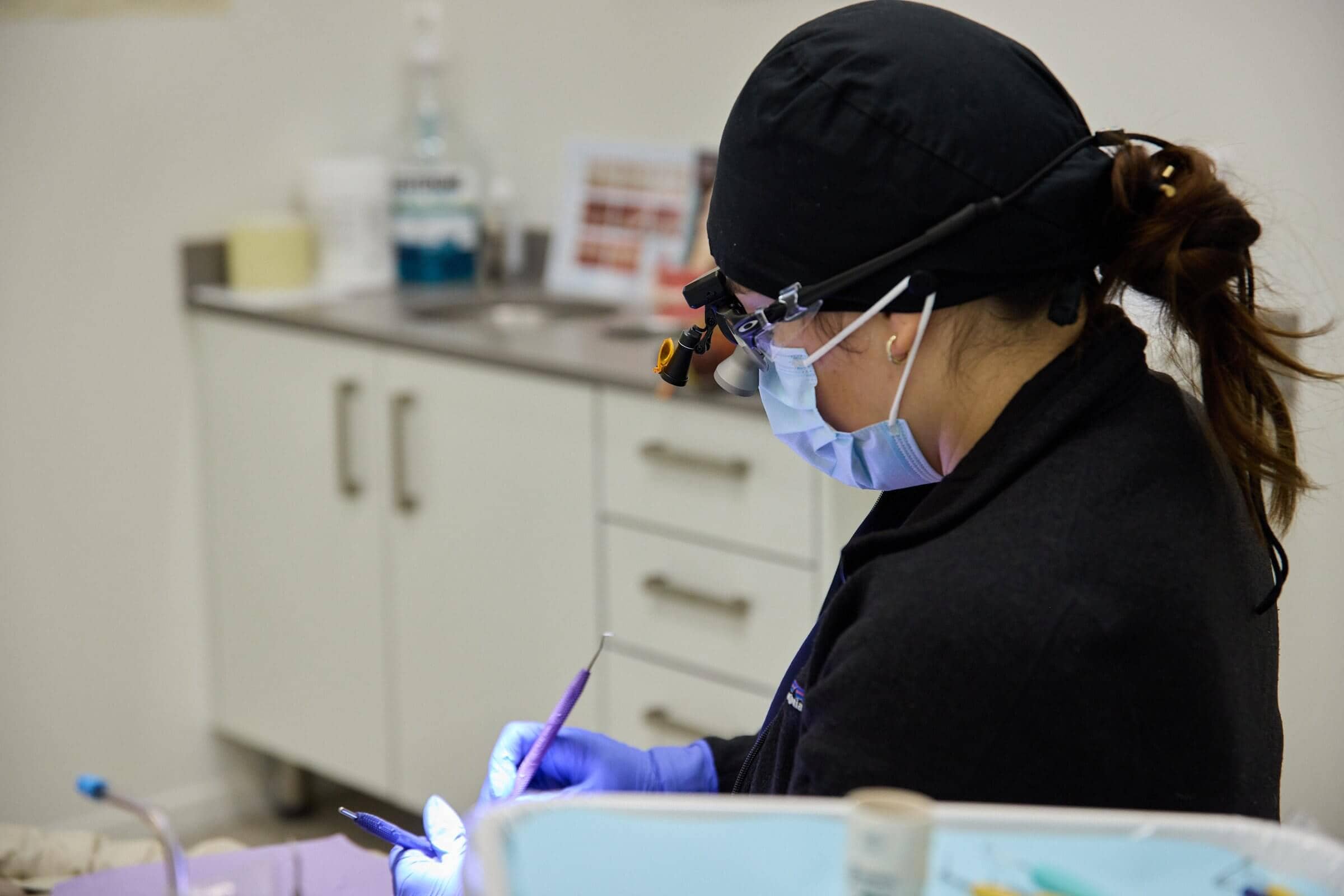
During the root canal, you’ll get local anesthesia so you don’t feel pain. The dentist makes a small opening in your tooth to reach the infected pulp.
They remove the unhealthy tissue, then clean and shape the inside of the tooth. After cleaning, they fill the space with a special material to seal it.
Often, a temporary filling is placed first. A crown is usually recommended later to protect the tooth and restore strength.
Post-Treatment Recovery Tips
After your root canal, you might feel a little sore or sensitive for a couple of days. Over-the-counter pain medicine usually helps.
Stick to soft foods and avoid very hot or cold drinks while you heal. Keep up with gentle brushing and flossing around the treated tooth.
Don’t skip your follow-up visit. That’s when your dentist checks the healing and places the permanent crown if needed.
Choosing The Right Dentist For Root Canal Therapy In Torrance
Finding a dentist you trust can make root canal therapy feel much less stressful. It helps to choose someone who is skilled and keeps you informed.
Knowing what to look for and what will happen during your visit can ease nerves. Comfort and communication should be part of the plan.
Qualities Of A Good Root Canal Specialist
A good root canal specialist uses gentle care and modern tools to make treatment easier. You want someone who listens and explains each step clearly.
Experience matters, especially with complex infections or pain. Flexible scheduling for urgent visits can be a big plus.
Comfort should be a priority, including ways to reduce stress during treatment. Friendly staff and a welcoming atmosphere can make a real difference.
What To Expect During Your Visit
Before treatment, your dentist will review symptoms and take X-rays for clarity. You’ll get a detailed explanation so you’re not left guessing.
During the root canal, you should be numb and comfortable. You may feel pressure, but you shouldn’t feel pain.
Treatment often takes one or two visits, depending on the tooth and infection. Afterward, mild soreness can happen, and you’ll get care instructions.
Follow-up appointments help confirm healing and lasting comfort. That support is part of the path to tooth pain relief by root canal therapy in Torrance.
Relief From Tooth Pain Starts With The Right Care
Ongoing tooth pain can make eating, sleeping, and focusing difficult. Root canal therapy is designed to remove infection, stop the source of pain, and help you feel comfortable again while protecting your natural tooth.
At Dentist of Torrance, care is focused on comfort, clear communication, and modern treatment options. The goal is simple: reduce pain, restore function, and help you feel at ease throughout the process.
If tooth pain is disrupting your day, gentle help is available. Call our Torrance Office or request an appointment to take the next step toward lasting relief.
Frequently Asked Questions
What Is The Process Of Root Canal Therapy Provided By Endodontists In Torrance, CA?
It starts with an exam and X-rays to understand the damage. The dentist numbs your tooth, then cleans out the infected area inside.
Next, they seal the tooth to help prevent infection from returning. A crown or filling may be placed to protect and strengthen the tooth.
You should get clear explanations at each step. That clarity can make the experience feel much less stressful.
How Successful Is Root Canal Treatment In Dealing With Internal Resorption?
Root canal treatment often works well for stopping internal resorption. It removes inflamed tissue inside your tooth and can slow or stop the damage.
How early you get treatment and how severe the resorption is matter a lot. Your dentist will evaluate your tooth and explain what to expect.
Can A Tooth Undergoing Internal Root Resorption Still Be Preserved?
In many cases, yes. Root canal therapy can save the tooth by removing inflamed tissue and sealing the inside.
If the tooth structure hasn’t been damaged too much, preserving it is often possible. Your dentist will explain whether your tooth is a good candidate. If not, they’ll review other options in a clear, calm way.
What Can I Expect In Terms Of Recovery Time After A Root Canal For Internal Resorption?
Most people recover in a few days to about a week. You may notice tenderness or mild discomfort, which is common.
Over-the-counter pain relievers often help. Your dentist can share guidance to keep your mouth comfortable while you heal.
Are There Any Home Remedies To Alleviate Pain From A Tooth Needing A Root Canal?
It can help to avoid very hot, cold, or crunchy foods that may trigger pain. Over-the-counter pain medicine may take the edge off until your appointment.
These are short-term comfort steps, not a fix. Root canal therapy is typically what resolves the underlying cause of pain.
What Are The Options For Pain Relief If I'm Not Ready For A Root Canal?
Your dentist may recommend pain relievers or a temporary filling to reduce irritation. In some cases, medication may be used to calm infection-related symptoms.
These steps don’t correct the root problem. They’re usually a short-term bridge until definitive care is completed.