
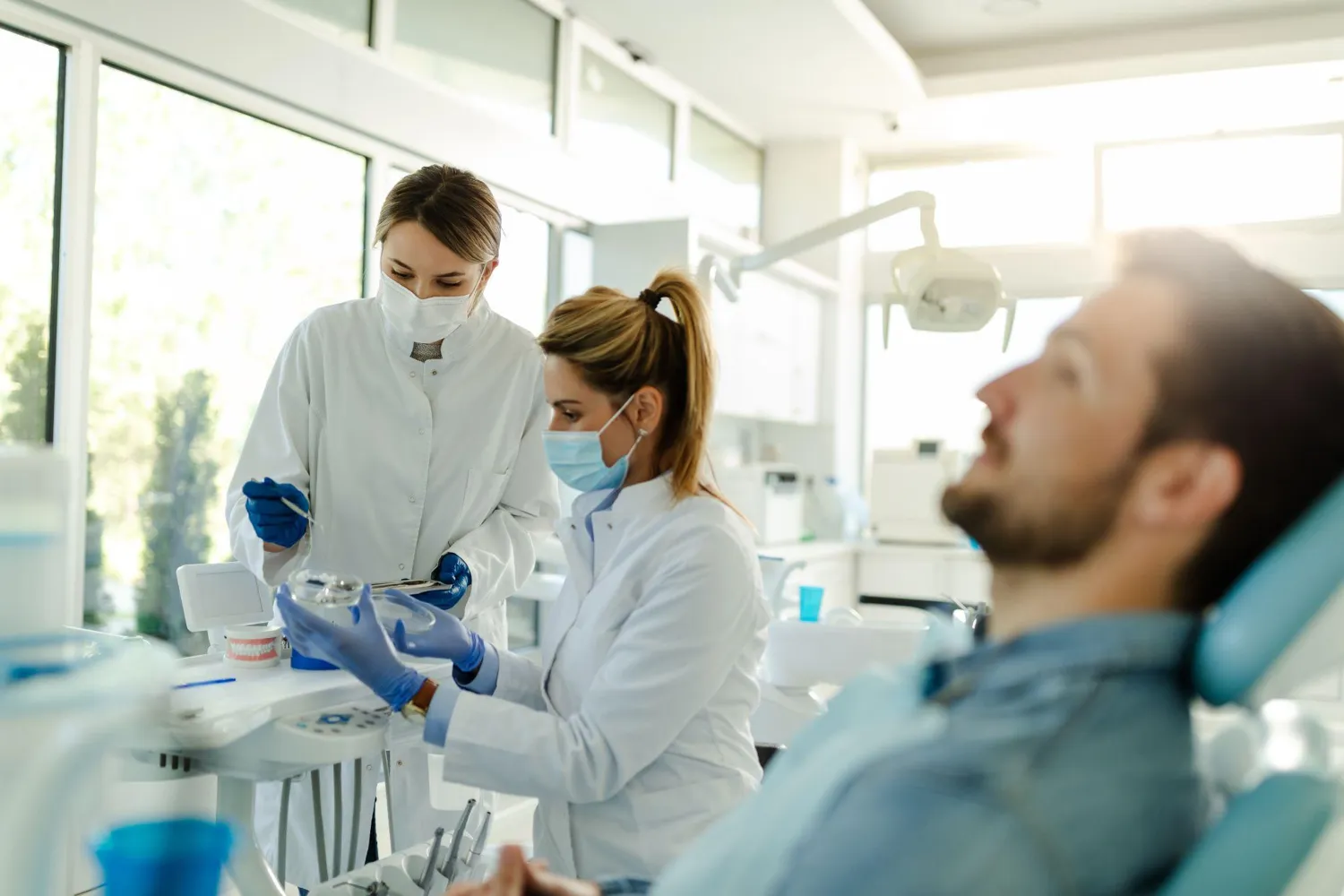
Dental pain can turn an ordinary day into a stressful scramble for answers. A broken tooth or sudden swelling may also leave you unsure what to do next. Getting prompt dental care can protect your comfort while limiting further damage. However, arriving prepared helps the dental team understand the problem and respond more efficiently. Knowing what to expect can make an urgent dental visit feel far more manageable.
Why Preparing for an Emergency Dental Visit Matters
Preparing for emergency dental care can help the appointment proceed with fewer avoidable delays. Having your health information ready gives the dentist useful context before recommending treatment. Clear details about your symptoms also help the dental team assess the problem more efficiently. Preparation can reduce confusion when pain or anxiety makes it harder to remember important information. It also helps you understand possible treatment steps, costs, and follow-up needs more clearly. Knowing what to expect allows you to focus on getting appropriate care when time matters.
How to Get Ready for Urgent Dental Care
Dental emergencies often leave little time to organize information or consider what comes next. Knowing how to prepare can make those first decisions easier during an already stressful situation. It also helps you arrive with useful details the dental team may need. A few practical steps can help you get ready before receiving urgent care.
Recognize When You Need Immediate Care
Some dental problems need attention sooner than a routine appointment can provide. Severe pain, swelling, bleeding, and dental trauma may require prompt professional evaluation. Recognizing these warning signs helps you respond appropriately instead of waiting for symptoms to worsen. Start by determining how quickly your dental problem needs professional attention.
Check for Signs That Need Prompt Attention
Persistent tooth pain deserves attention when it becomes severe or disrupts normal activities. Facial or gum swelling may indicate inflammation or an infection that requires professional care. A knocked-out permanent tooth also requires immediate attention because treatment options can narrow quickly. Heavy bleeding after an injury should prompt you to contact a dental professional. Cracked teeth may also need urgent care when pain or exposed inner tissue develops. Describe concerning symptoms clearly when you contact the dental office for guidance.
Decide If the Problem Can Safely Wait
Not every dental concern requires same-day treatment, even when it causes some discomfort. Mild sensitivity without swelling or severe pain may sometimes wait for a regular appointment. A small chip may also be less urgent when it causes no pain or sharp edges. However, increasing pain, swelling, or bleeding can change how quickly you need care. Contact a dental office if you are unsure how urgent your symptoms are. Staff can use your reported symptoms to recommend an appropriate appointment timeframe.
Call the Dental Office Before You Leave
Contacting the office first gives the dental team useful information about your situation. Staff can ask focused questions about your symptoms, injury, and recent dental problems. They may also provide instructions for protecting your mouth until you arrive. Call before leaving so you know what to do next.
Describe Your Symptoms With Specific Details
Begin with the main problem and explain where you feel pain or discomfort. Tell the staff when the symptoms started and whether they have changed since then. Mention swelling, bleeding, fever, trauma, or difficulty opening your mouth when these symptoms occur. Explain whether pain remains constant or appears after chewing, pressure, or temperature changes. Include any recent event involving the affected tooth, gums, jaw, or dental restoration. Specific information helps the dental team understand what may require attention when you arrive.

Ask What to Do Until Your Appointment
The dental team may recommend temporary measures based on your symptoms or injury. Following their directions can help protect the affected area while you travel. Ask how to handle a broken tooth, loose restoration, or other immediate concern. Confirm whether you should avoid eating or drinking before receiving certain dental procedures. You can also ask what documents, medications, or dental materials you should bring. These instructions help you arrive ready for the examination and possible treatment.
Protect the Affected Area Before Treatment
What you do before reaching the dental office can affect comfort and prevent further tooth damage. Gentle care usually works better than aggressive remedies that may irritate injured tissues. Avoid placing unapproved substances directly against painful teeth, gums, or open wounds. Focus on protecting the affected area while following your dental team's instructions.
Handle a Knocked-Out Tooth With Care
A knocked-out permanent tooth requires quick action and careful handling after an injury. Pick up the tooth by its crown and avoid touching the root surface. Gently rinse away visible debris without scrubbing the tooth or removing attached tissue. Try returning it to the socket only when you can do so safely. Otherwise, keep the tooth moist using milk or another dentist-recommended method. Contact a dental professional immediately because successful treatment can depend on how quickly you receive care.
Control Discomfort Without Adding Damage
Dental pain may tempt you to try strong home remedies while awaiting treatment. However, placing aspirin against the gums can irritate tissue without addressing the underlying problem. Use over-the-counter pain medication only as directed and when it is safe for you. A cold compress on the outside of the face may help manage swelling after some dental injuries. Avoid chewing with the affected area because pressure can worsen pain or existing damage. Treat these measures as temporary support until a dentist can address the actual cause.
Gather Your Current Health Information
Your dentist needs relevant health details before recommending medications or performing certain procedures. Some conditions and medications can affect bleeding, healing, anesthesia, or other treatment decisions. Gathering accurate information beforehand makes it easier to communicate those details when you're uncomfortable. Prepare your current medication, allergy, and medical information before leaving for the appointment.
Make a List of Your Current Medications
Write down any prescription medications you currently take before going to the dental office. Include relevant over-the-counter medicines, supplements, and other products you use regularly. Add the dosage and frequency when you have that information. Tell the dentist about medications that may affect bleeding or other treatment considerations. Do not stop prescribed medication simply because you expect to receive urgent dental treatment. Your dentist can review your medication history when determining appropriate treatment options.
Note Allergies and Relevant Health Conditions
Tell the dental team about known medication allergies before receiving treatment or prescriptions. Include previous reactions to antibiotics, pain medications, anesthetics, or dental materials when applicable. Certain health conditions can also influence which treatments or medications your dentist recommends. Mention recent surgeries or meaningful changes to your health that could affect dental care. Tell the dentist about pregnancy when applicable because it may influence some clinical decisions. Accurate health information helps your dentist choose care based on your individual circumstances.

Pack the Items You May Need at the Office
Rushing out the door can make it easy to forget important documents and dental materials. Gathering a few relevant items can simplify registration and conversations about your treatment. You do not need to pack extensively for an unexpected dental appointment. Focus on information and materials that directly support your evaluation and care.
Bring Identification and Insurance Information
Bring a photo ID, as the dental office will require it during patient registration. Bring your current dental insurance information if you plan to use your coverage. Existing patients should confirm whether their insurance or contact details have changed recently. New patients may also need information for health history and registration forms. Keeping these details accessible can reduce unnecessary administrative delays before your examination. Call ahead if you are unsure which documents the office requires.
Keep Any Broken Dental Pieces You Find
Save pieces of a broken natural tooth when you can locate them safely. Place them inside a clean container instead of carrying them loose. Bring a dislodged crown, filling, or other restoration when you still have it. These materials may give the dentist additional information about the damage. Avoid using household glue to reattach crowns, tooth fragments, or dental restorations yourself. Let the dentist determine whether any recovered piece can contribute to your treatment.
Get Ready for the Dental Examination
Urgent dental appointments usually begin with questions about your symptoms and recent dental history. The dentist will examine the affected area and look for possible sources of pain or damage. Diagnostic imaging may also help identify problems that are not visible during the examination. Prepare to explain what happened and answer questions as accurately as you can.
Explain How and When the Problem Started
Tell the dentist when you first noticed pain, swelling, bleeding, or another concerning symptom. Describe any event that occurred immediately beforehand, including falls, impacts, or biting injuries. Explain how the symptoms have changed instead of describing only how you currently feel. Mention previous dental work involving the affected tooth when you remember those details. Tell the dentist about any medication you've already taken for pain, inflammation, or other symptoms. A clear timeline can help the dentist focus the examination on likely causes.
Be Ready for Diagnostic Dental Imaging
Some dental problems involve structures beneath the gums that cannot be assessed through sight alone. Dental X-rays can reveal certain fractures, infections, decay, or changes around tooth roots. Your dentist will decide which images are appropriate after considering your symptoms and examination. If you're unsure, ask what imaging will help the dental team evaluate your condition. Bring recent dental images when available and when the office requests them. Useful diagnostic information helps the dentist recommend treatment based on the condition they identify.
Clarify Treatment Options and Expected Costs
Urgent care often focuses on relieving pain, controlling infection, or preventing additional damage. Some problems receive complete treatment immediately, while others require a follow-up appointment. Knowing what the dentist plans to address can help you make informed treatment decisions. Discuss the recommended care and expected expenses before proceeding whenever circumstances allow.
Confirm What Needs to Be Treated First
Ask which part of your dental problem requires treatment during the current appointment. Some conditions can receive definitive care immediately, depending on the diagnosis and available treatment. Other situations may need temporary measures before a longer procedure can take place. Ask what could happen if you delay any recommended treatment after the initial visit. Discuss reasonable alternatives when the dentist offers more than one suitable treatment approach. Understanding the immediate goal helps you make decisions based on your needs and clinical findings.
Ask About Fees Before Treatment Starts
Urgent dental costs vary based on examinations, imaging, procedures, medications, and required materials. Insurance benefits may also differ depending on your plan and the treatment performed. Ask for a cost estimate when the dental office can reasonably provide one. Confirm which charges relate to immediate treatment and which may apply to later appointments. Ask about available payment arrangements if unexpected dental costs create financial concerns. Understanding potential expenses can prevent billing questions from adding stress during your care.
Plan for Recovery and Follow-Up Care
Treatment may continue after you leave the dental office, especially after significant injury or infection. Your dentist may provide medication instructions, eating restrictions, or guidance for protecting the treated area. Some dental problems also require another procedure after the immediate symptoms are controlled. Prepare for recovery by understanding what you need to do once you return home.
Follow Your Dentist's Aftercare Directions
Review your aftercare instructions before leaving so you understand what recovery should involve. Ask questions right away if any direction about medication, eating, or oral hygiene seems unclear. Take prescribed medications as directed by your healthcare professional. Follow recommendations concerning brushing, rinsing, physical activity, and foods during the recovery period. Protect temporary restorations according to any precautions your dentist gives you. Contact the office if symptoms worsen or recovery differs from what the dental team described.
Schedule Any Needed Follow-Up Treatment
Relief from pain does not always mean the dental problem has been fully treated. A follow-up appointment may complete treatment or allow your dentist to evaluate healing. Schedule the recommended visit before leaving when the dental office can arrange it. Keep the appointment even if your discomfort decreases and normal activities become easier. Ask which symptoms should prompt you to return sooner than your scheduled appointment. Completing recommended care can reduce the chance of the same problem becoming urgent again.
Respond Promptly to a Dental Emergency
Dental problems can worsen quickly when pain, swelling, or damage goes untreated. Contact a dental professional promptly when symptoms require urgent attention. Having your health details and other necessary information ready can prevent avoidable delays. Acting with a clear plan helps you get the right care when your teeth need it most.
Have questions about dental care, common symptoms, or treatment options? Explore the Dentist of Torrance blog for clear, useful information that supports better oral health decisions.
