
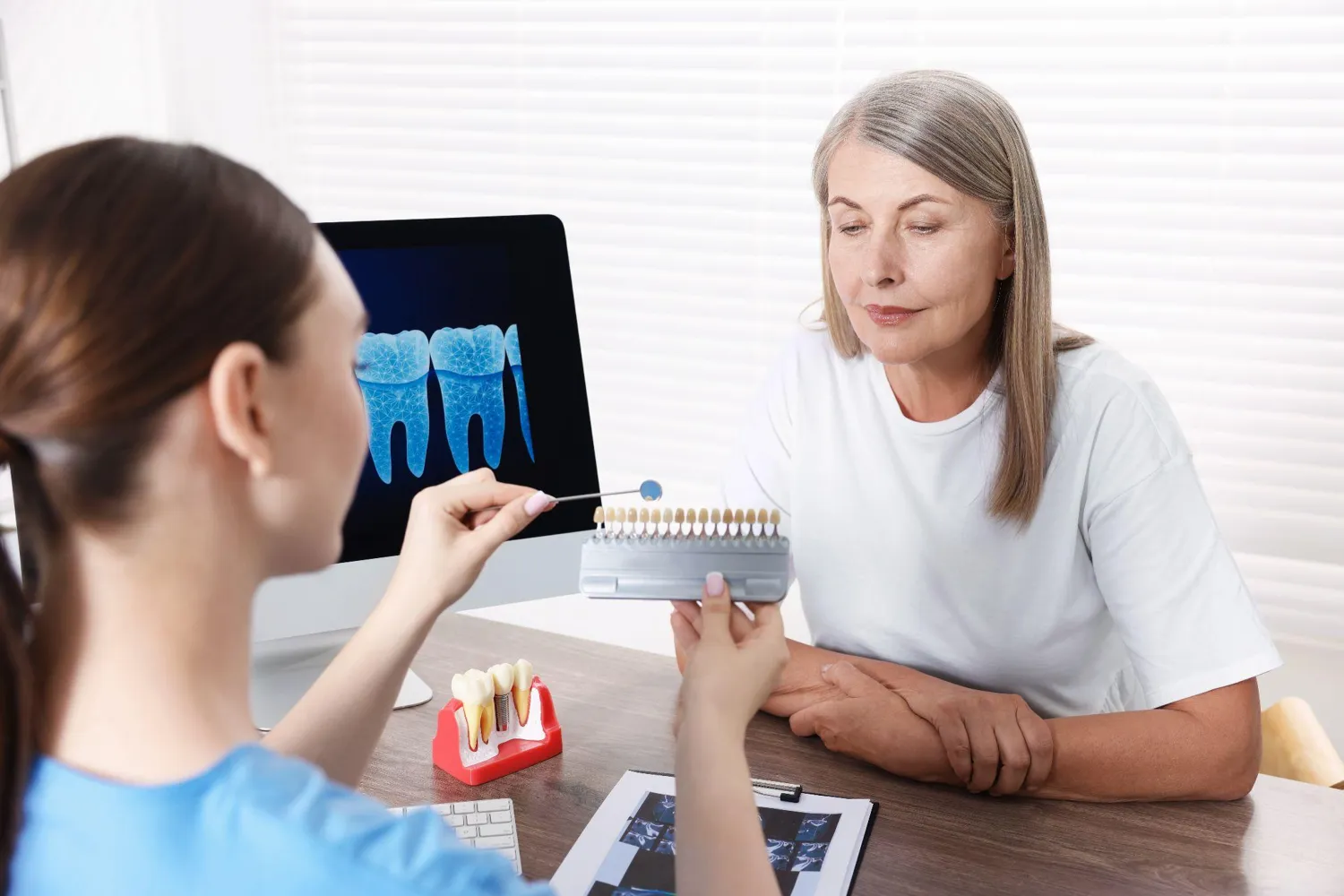
A healthy smile depends on teeth that look good and work comfortably every day. When gaps develop, everyday activities like eating and speaking may gradually feel different. Dental implants provide stable replacement teeth supported by small posts placed within the jawbone. Unlike some traditional options, they recreate support below the gumline as well as the visible tooth. Understanding how the process works can help you make a more informed choice about restoring your smile.
Understanding Dental Implants
Dental implants replace missing teeth by creating a stable foundation within the jaw. A small implant post supports a connector and a custom replacement tooth above the gums. The system works because the jawbone gradually develops a firm connection with the implanted post.
The Three Parts of an Implant
Most implant restorations contain three main parts: the implant post, abutment, and replacement tooth. The post sits within the jaw and works much like a natural tooth root. An abutment connects that post to the visible restoration above the gumline. The final restoration may be a crown, bridge, or implant-supported denture. Each component serves a separate purpose while working as one replacement system. This three-part design creates stable support while allowing the visible tooth to look natural.
How an Implant Connects With the Bone
After placement, the implant needs time to become firmly supported within the jaw. Bone gradually grows close to its surface through a process called osseointegration. Simply put, the implant becomes securely integrated with the surrounding bone. This connection helps the post handle normal chewing pressure once healing progresses sufficiently. Healing rates differ because bone condition, implant location, and personal health can affect recovery. The dentist checks implant stability before attaching the permanent restoration.
How Dental Implants Work
Implant treatment follows a structured process that rebuilds a tooth from its foundation upward. Each stage prepares the mouth for stable support, comfortable function, and a natural-looking restoration. Knowing what happens beneath the gums makes the treatment process easier to understand.
Planning Builds the Foundation for Treatment
Successful treatment starts well before anything is placed within the jaw. The dentist first studies how the teeth, gums, bone, and bite work together. These findings guide each stage that follows and help create a treatment plan suited to the patient.
The Dental Exam Guides Each Step
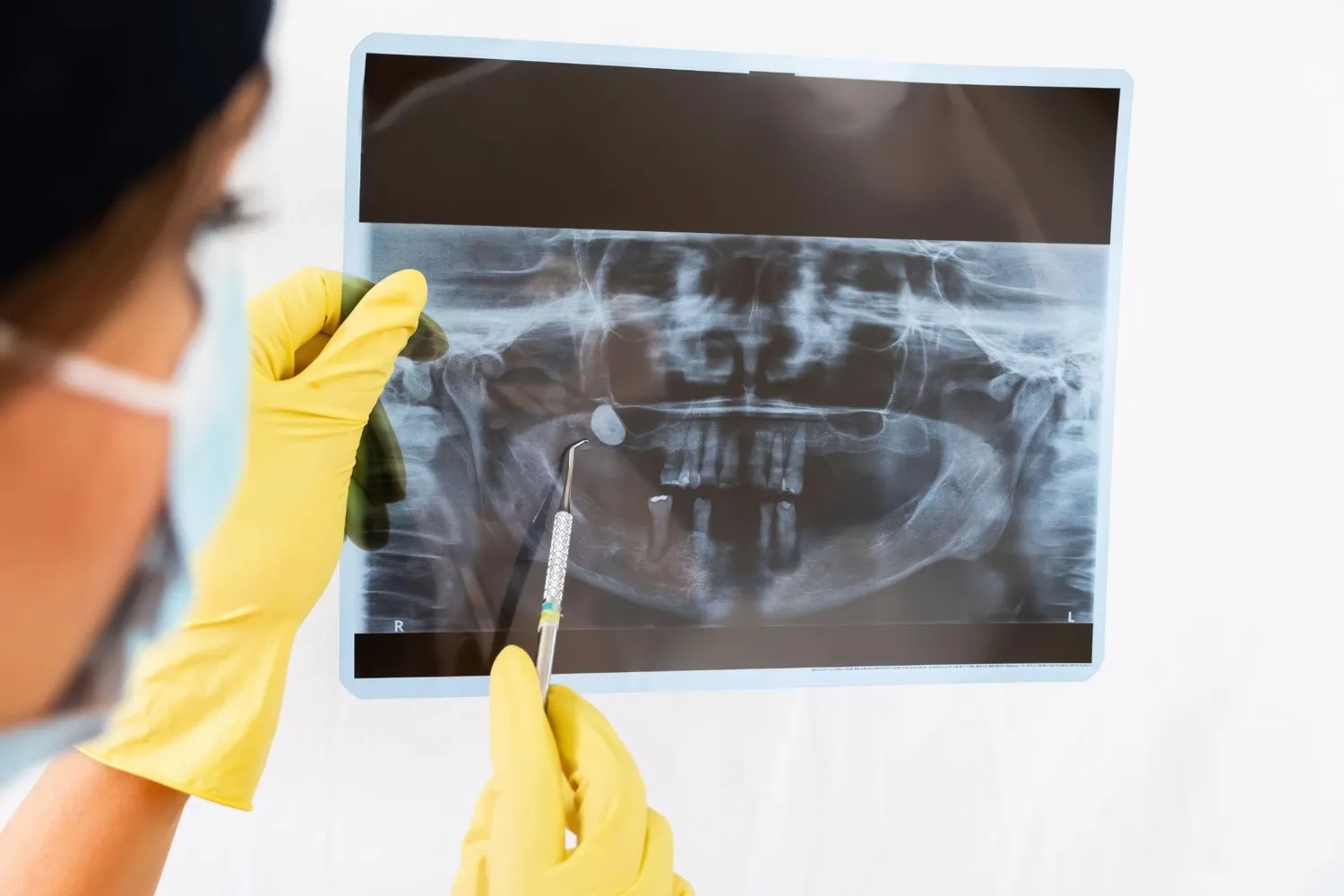
The initial examination helps determine what type of treatment the mouth can support. Dental images show the height, width, and condition of bone around the treatment area. They also help the dentist identify nearby structures that require consideration during placement. Medical history matters because certain health conditions and medications can affect healing. Gum health, tobacco use, and previous dental work may also influence the recommended approach. These details help the dental team choose a suitable position for the post and final restoration.
Healthy Bone Creates Stable Support
The jaw needs enough healthy bone to hold the post securely after placement. However, bone can gradually shrink when an area has remained without a natural tooth root. Significant bone loss may make immediate placement less predictable or require additional preparation. Dental imaging helps the dentist measure how much bone remains in the treatment area. Some patients may need bone grafting to create additional support before or during placement. Reduced bone does not automatically prevent treatment because several approaches may improve the available foundation.
Placement Creates a New Tooth Foundation
The placement procedure creates the foundation that will eventually support the replacement tooth. Local anesthesia usually numbs the area before the dentist prepares a precise space within the jaw. Once positioned, the post begins a healing process that makes it increasingly stable.
The Post is Positioned Within the Jaw
The dentist creates a small opening in the gum to reach the underlying bone. The dentist then prepares a carefully measured space to receive the post in its planned position. Once placed, the post may remain beneath the gum or connect to a small healing component. The chosen method depends on the treatment area, bone condition, and overall treatment plan. Patients receive instructions about eating, cleaning, medication, and protecting the area during early recovery. Following these directions creates the right conditions for normal healing.
Comfort is Managed During Recovery
Many patients want to know what the procedure and early recovery will feel like. Local anesthesia helps control discomfort while the post is being placed. Some tenderness, swelling, or minor bleeding can develop after the anesthesia wears off. These symptoms commonly improve as the surgical area begins healing. The dentist may recommend appropriate ways to manage discomfort based on the patient's needs. Report severe pain or symptoms that unexpectedly worsen to the dental office.
Healing Strengthens the New Foundation
The newly placed post needs time to develop a strong connection with the surrounding jawbone. Bone gradually forms around its surface through a natural healing process called osseointegration. This stage creates the stability needed before the permanent replacement tooth can handle regular chewing pressure.
Bone Gradually Secures the Post
Osseointegration happens beneath the gums while the treatment area continues healing. Bone cells gradually develop close contact with the surface of the implanted post. As this connection strengthens, the post can better withstand normal biting forces. Healing does not happen at the same rate for every patient. Bone condition, treatment location, overall health, and personal healing response can affect the timeline. The dentist checks stability before deciding when the treatment can move to the restorative stage.
Healing Time Depends on Individual Needs
The complete treatment process often takes several months, not just a few days. Much of this time allows the jawbone to develop firm support around the post. Patients who need an extraction or bone graft may require additional healing between treatment stages. More complex restorations can also affect the overall schedule. Some patients may qualify for faster treatment approaches when their clinical conditions allow them. A dental evaluation provides a more reliable timeline than a general estimate.
Temporary Teeth Can Bridge the Gap
Some patients may receive a temporary restoration while the treatment area heals. This option can maintain appearance and limited function before the permanent tooth is ready. However, the temporary restoration may need protection from excessive biting pressure. Too much force could interfere with the developing connection between the post and surrounding bone. Dietary adjustments may therefore remain necessary even when the temporary tooth feels comfortable. Following these restrictions helps protect the foundation during an important stage of healing.

The Restoration Completes the New Tooth
Once the post develops enough stability, treatment can move above the gumline. A connector joins the foundation in the jaw with the replacement tooth that patients see and use. Careful fitting helps the completed restoration work comfortably alongside neighboring teeth.
The Connector Links Both Components
A small component called an abutment connects the implanted post with the visible restoration. Depending on the treatment method, the dentist may place it during surgery or after healing. The surrounding gums then form a natural contour around the connecting area. Digital scans or impressions record its position in relation to nearby teeth. These measurements help create a restoration with the appropriate shape, position, and bite. The completed connection should also leave enough access for effective cleaning around the gumline.
The Crown Restores Visible Tooth Structure
A single-tooth restoration usually ends with a custom dental crown. The crown fills the visible space while working with neighboring teeth during biting and chewing. Its size, shape, and appearance are designed around the patient's mouth rather than a standard template. Tooth-colored ceramic materials are commonly used to create a natural appearance with suitable strength. The dentist attaches the crown to the supporting structure and checks how it meets the opposing teeth. Small adjustments can then improve comfort and create a more balanced bite.
Different Ways Implants Replace Teeth
Implant treatment is not limited to replacing one missing tooth at a time. Dentists can use implant posts to support individual crowns, bridges, or certain dentures. The best approach depends on the number of missing teeth, bone condition, cleaning needs, and treatment goals.
Replacing One Missing Tooth
A single implant can support one crown without using neighboring teeth as its main anchors. A traditional dental bridge works differently because nearby teeth usually support the replacement. Those supporting teeth may need reshaping so crowns can fit over them. An implant can avoid that step when neighboring teeth are healthy and placement is suitable. However, implant treatment usually requires surgery and more healing time than a conventional bridge. A dentist can explain which approach better fits the condition of your surrounding teeth.
Replacing Several Missing Teeth
Several missing teeth do not always require an implant beneath every replacement tooth. In some cases, strategically placed posts can support a bridge containing multiple teeth. Implants can also support certain dentures and improve their stability during speaking and eating. The number and location of posts depend on available bone and the planned restoration. Dentists must also leave enough space for patients to clean around the supporting areas. A well-planned design balances stability, appearance, comfort, and practical home care.
Benefits and Limitations of Dental Implants
Implant-supported teeth offer practical advantages because they gain support directly from the jawbone. They can restore chewing without depending entirely on neighboring teeth or removable appliances. However, surgery, healing time, maintenance needs, and individual health factors deserve consideration before treatment.
How Implants Compare With Bridges
Both implants and dental bridges can replace a missing tooth effectively in appropriate cases. A bridge normally uses neighboring teeth to support the replacement tooth between them. An implant instead receives its primary support from a post within the jaw. This difference may help preserve neighboring teeth when they do not already need crowns. However, a bridge can often be completed without implant surgery or months of healing. The condition of nearby teeth and bone can strongly influence which choice is more practical.
Implant Treatment Has Possible Risks
Like other surgical dental procedures, implant placement comes with potential complications. Infection can develop around the surgical area, although proper care can reduce that risk. An implant may also fail to integrate adequately with the surrounding bone. Other concerns can include gum inflammation, restoration problems, or injury to nearby structures. Individual risk varies according to implant location, health, habits, and treatment complexity. Discussing possible complications with a dentist provides useful context before deciding on treatment.
Stable Support Improves Everyday Function
A secure foundation can make the replacement tooth feel more stable during everyday use. Because support comes from the jaw, the restoration can handle normal chewing without relying mainly on nearby teeth. This design may also preserve healthy neighboring tooth structure when those teeth do not need crowns. Patients can speak and eat without managing a removable replacement for the treated area. The custom restoration also fills the visible gap and supports a natural-looking smile. With proper care, that combination of stability and function can provide a practical long-term replacement option.
Restore Missing Teeth With Dental Implants
The right tooth replacement should fit your oral health, daily needs, and long-term expectations. Dental implants can provide stable support, but every treatment plan starts with your individual condition. A professional evaluation can clarify your bone health, treatment needs, timeline, and suitable restoration options. Schedule a consultation with a qualified dental professional to find out if implant treatment is right for you.
Your next dental question deserves a clear answer. Explore the Dentist of Torrance blog for straightforward resources designed to make oral health and treatment choices easier to understand.
