You have a damaged tooth or a gap where a tooth used to be, and your dentist has mentioned both crowns and bridges. Now you are sitting at home, trying to figure out which one actually applies to your situation, and the difference is still not clear.
Choosing between dental crowns vs dental bridges is one of the most common questions patients in Torrance face during a restorative dentistry appointment.
This article walks you through how each option works, what factors affect the choice, which materials are involved, and what alternatives exist. The team at Dentist of Torrance helps patients work through these exact questions every day, so the guidance here reflects real clinical situations rather than just textbook descriptions.
Keep reading, and you will have a clear picture of which path makes the most sense for your smile.
How Crowns And Bridges Solve Different Problems
A crown and a bridge may look similar at a glance, but they address two completely different dental situations. Knowing which problem you actually have is the fastest way to understand which treatment belongs in your treatment plan.
When A Crown Makes Sense For A Damaged Tooth
A dental crown is placed over a tooth that is still rooted in your jaw but has been weakened, cracked, or heavily decayed. Think of it as a protective cap that restores the tooth's original shape and lets you chew normally again.
Crowns are also placed after root canal therapy when the treated tooth needs structural support to survive everyday use. Without the crown, a root-canal-treated tooth can fracture because the internal structure has been hollowed out during treatment. Porcelain crowns are a popular choice for front teeth because they match the color of your natural teeth closely.
An inlay and onlay restoration in Torrance is a related option worth knowing about. When decay affects only part of the biting surface rather than the whole tooth, an inlay or onlay covers just the damaged area instead of capping the entire tooth.
When A Bridge Is Used To Replace A Missing Tooth
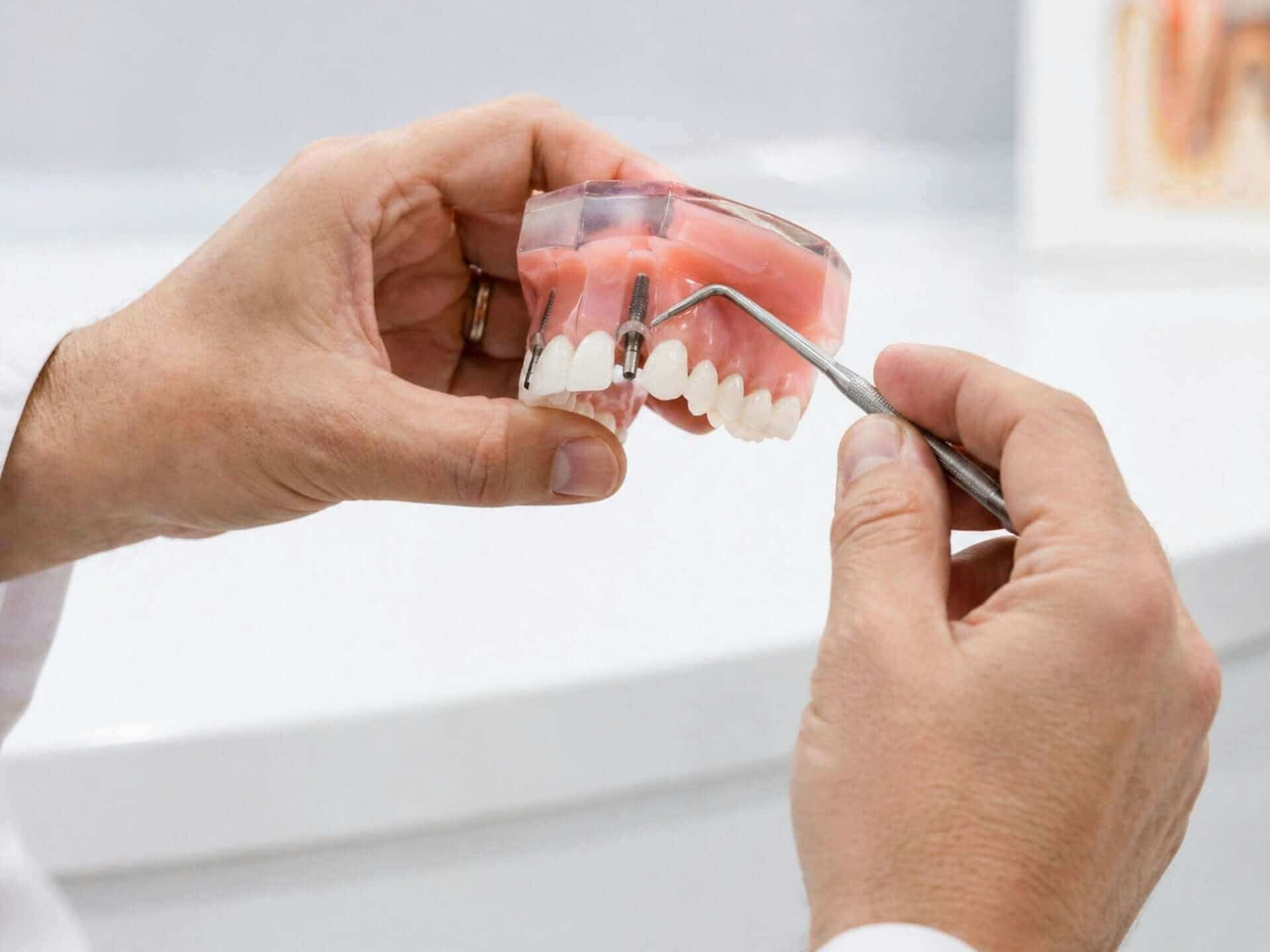
A dental bridge is designed for a different problem: a tooth that is already gone. The bridge uses the two teeth on either side of the gap as anchors, called abutment teeth. A false tooth, called a pontic, hangs between those anchors and fills the empty space.
Porcelain fixed bridges are permanently cemented in place, which means you brush and care for them like natural teeth. They prevent neighboring teeth from drifting into the gap over time, which can shift your bite and create uneven wear.
How Dental Crowns And Dental Bridges Compare
Feature | Dental Crown | Dental Bridge |
Purpose | Restore a damaged tooth | Replace a missing tooth |
Teeth involved | One tooth | Three or more teeth |
Adjacent teeth affected | No | Yes, abutment teeth are reshaped |
Removable | No | No |
Typical lifespan | 10 to 15 years or more | 5 to 15 years or more |
Bone preservation | Preserves existing root | Does not stimulate jawbone |
The core difference is that a crown saves a tooth, while a bridge replaces one. Your dentist cannot choose one for you based on preference alone. The clinical situation determines which option is even possible.
What Changes Your Decision In Real Life
The condition of your surrounding teeth and gums often matters just as much as the damaged or missing tooth itself. Two patients with the same gap can walk out with completely different treatment recommendations because of what is happening in the rest of their mouth.
The Health Of The Tooth And Gums Matters Most
If the tooth that needs a crown has deep gum pockets or an active infection around it, these issues must be addressed before any restoration is placed. Periodontal disease prevention in Torrance is not a side issue; it directly affects how well a crown or bridge holds up over time. A restoration placed over unhealthy bone or gum tissue will not last as long and may fail entirely.
Periodontics treatment, which targets gum disease at its source, is sometimes a required step before restorative work begins. Understanding what periodontal gum disease actually means helps here: it is a bacterial infection of the tissue and bone that hold your teeth in place. If it is active, your dentist will typically treat it first and then revisit the crown or bridge plan.
For a bridge specifically, the abutment teeth must be healthy and strong enough to support the structure. If those neighboring teeth already have existing large fillings or signs of decay, a bridge may put too much stress on them.
How Appearance Comfort And Daily Function Compare
Porcelain crowns and porcelain fixed bridges both blend well with natural tooth color, which matters most for teeth that show when you smile. For back teeth where biting force is heavier, material durability often matters more than color match.
A bridge does not require surgery, which makes it feel more straightforward to many patients. It is placed over two or three appointments and does not involve healing time beyond normal gum sensitivity. If the idea of a procedure causes real anxiety, sedation dentistry is an option worth asking about. Sedation is available for various levels of dental work and can make multi-appointment restorations feel much more manageable.
Daily function is similar between the two. Both are fixed restorations, meaning they stay in your mouth while you eat, sleep, and speak. The main functional difference is that a bridge requires you to floss under the pontic using a floss threader or water flosser, since normal flossing cannot reach between the false tooth and your gum.
Why Budget Timeline And Future Repairs Matter Too
A single crown generally costs less upfront than a three-unit bridge because fewer teeth are involved. That said, a bridge addresses a missing-tooth problem that a single crown cannot solve, so the comparison is not always apples-to-apples.
Payment options and financing in Torrance can make either option more accessible. Timeline matters too. A crown or bridge typically requires at least two visits: one to prepare the tooth and take impressions and one to place the final restoration.
If you are working around a busy schedule, asking about same-day options using CAD/CAM technology is worth the conversation. Affordable deep teeth cleaning is also often recommended before either restoration to ensure your gums are healthy enough to support the work.
Strength, Appearance, and Long-Term Maintenance
The material your crown or bridge is made from affects how it looks, how long it lasts, and how much it costs. Patients often ask whether porcelain is strong enough, whether silver is a smarter value, or whether gold is still worth considering in 2026.
Are Porcelain Crowns Strong Enough For Everyday Biting?
Porcelain crowns hold up well for most patients in everyday use, including normal chewing on both sides of the mouth. Modern dental porcelain is significantly stronger than that used a decade ago, and all-ceramic crowns placed on front teeth rarely cause problems under normal bite pressure.
Back molars, which absorb the heaviest chewing forces, are a different story. A porcelain crown placed on a molar in a patient who grinds their teeth at night may chip or crack over time.
In those cases, a porcelain-fused-to-metal crown adds a metal core beneath the porcelain layer, which improves durability without sacrificing much of the appearance. The decision depends on where the tooth sits in your mouth and how hard you bite.
Are Silver Crowns Cheaper Than Porcelain?
Silver amalgam crowns are rarely used as full crowns anymore, though metal alloy crowns are still placed in some cases. A full metal crown, sometimes called a gold-colored or silver-colored crown depending on the alloy, does tend to cost less than an all-porcelain crown in many practices.
The trade-off is visibility. Metal crowns stand out clearly against natural tooth color, which makes them a practical but not cosmetically ideal choice for teeth that show when you smile or speak. For back molars that are rarely visible, a metal crown can be a durable, cost-effective option that some patients specifically request.
Composite fillings address smaller areas of decay and cost less than any crown, but they are not a substitute when a full cap is needed.
Are Gold Crowns Better Than Porcelain?
Gold crowns have a well-earned reputation for longevity. Gold alloy is gentle on opposing teeth, meaning it wears at a rate closer to natural enamel than some harder ceramics. That reduces the risk of wearing down the tooth it bites against.
Gold crowns can last 20 years or more with proper care, which outpaces the typical lifespan of most porcelain restorations. The obvious limitation is appearance. A gold crown on a visible tooth is noticeable, and most patients request tooth-colored restorations for that reason.
Gold remains a clinically excellent choice for patients who prioritize longevity over appearance, particularly for second or third molars. Dental bonding handles minor surface issues and is not a crown alternative, but it is sometimes used alongside restorations for cosmetic touch-ups on nearby teeth.
A Simple Way To Choose The Right Treatment
Making a confident decision about your dental care starts with the right questions and a clear look at what your mouth actually needs right now. Knowing when to act quickly also matters, because waiting on certain dental problems can make the repair more complicated.
Questions To Ask During Your Exam
Bring these questions to your next dental checkup in Torrance and listen for answers that are specific to your tooth, not just general explanations:
Is the tooth still alive, or has it had a root canal?
Is the bone around the tooth healthy enough to support a crown long-term?
If I get a bridge, what condition are the abutment teeth in?
Am I a candidate for an implant instead, and what would that involve?
How will this restoration affect the teeth next to it?
What material do you recommend for my bite pattern and lifestyle?
Your dentist should be able to answer each of these clearly. If the answers feel vague, it is completely reasonable to ask for more detail before agreeing to any treatment.
A Step-by-Step Comparison You Can Use Right Away
Use this quick process to narrow down your options before your appointment:
Identify the problem. Is the tooth still in your mouth but damaged, or is it missing entirely?
If the tooth is still present, ask whether it can be saved. If yes, a crown is likely the first conversation. If no, extraction followed by an implant or bridge comes next.
If the tooth is missing, count how many adjacent teeth are healthy. Two strong neighbors usually make a bridge possible. No healthy neighbors or a preference for preserving them points toward an implant.
Consider your gum health. Active gum disease must be treated before any restoration. A deep teeth cleaning in Torrance or periodontics treatment may be needed first.
Factor in your timeline and budget. A bridge takes fewer appointments and costs less upfront. An implant costs more initially but avoids reshaping healthy teeth and preserves bone.
Ask about fluoride treatment in Torrance if you are at higher risk for decay, since both crowns and bridges can develop decay at the margins if oral hygiene slips.
Signs You May Need Prompt Care Instead Of Waiting
Some dental situations do not allow for a slow decision-making process. Contact an emergency dentist in Torrance right away if you notice any of the following:
A crown has fallen off, and the exposed tooth is painful or sensitive
A tooth is cracked, and the pain worsens when you bite down
There is swelling in your jaw or face near a damaged tooth
You have a chipped front tooth that is sharp or causing gum irritation
You are experiencing severe nighttime tooth pain that wakes you up
Frequently Asked Questions
These are the questions patients most often bring to their first restorative consultation. Each answer reflects the clinical realities that guide treatment decisions in everyday dental practice.
When is a crown a better option than a bridge for fixing a damaged tooth?
A crown is the right choice when the damaged tooth is still rooted in your jaw and structurally salvageable. If the tooth has significant decay, a crack, or has undergone root canal therapy, a crown restores its shape and strength without involving the neighboring teeth. A bridge is only used when the tooth is already missing and cannot be saved.
How do crowns, bridges, and veneers compare for improving the look of a smile?
Crowns cover an entire tooth and are used primarily for structural restoration, though they also improve appearance. Bridges fill a visible gap left by a missing tooth. Veneers cover only the front surface of a tooth and are better suited for cosmetic concerns like staining, chips, or minor shape issues on otherwise healthy teeth. The right choice depends on whether the issue is structural or cosmetic.
How do crowns and bridges compare to dental implants for replacing missing teeth?
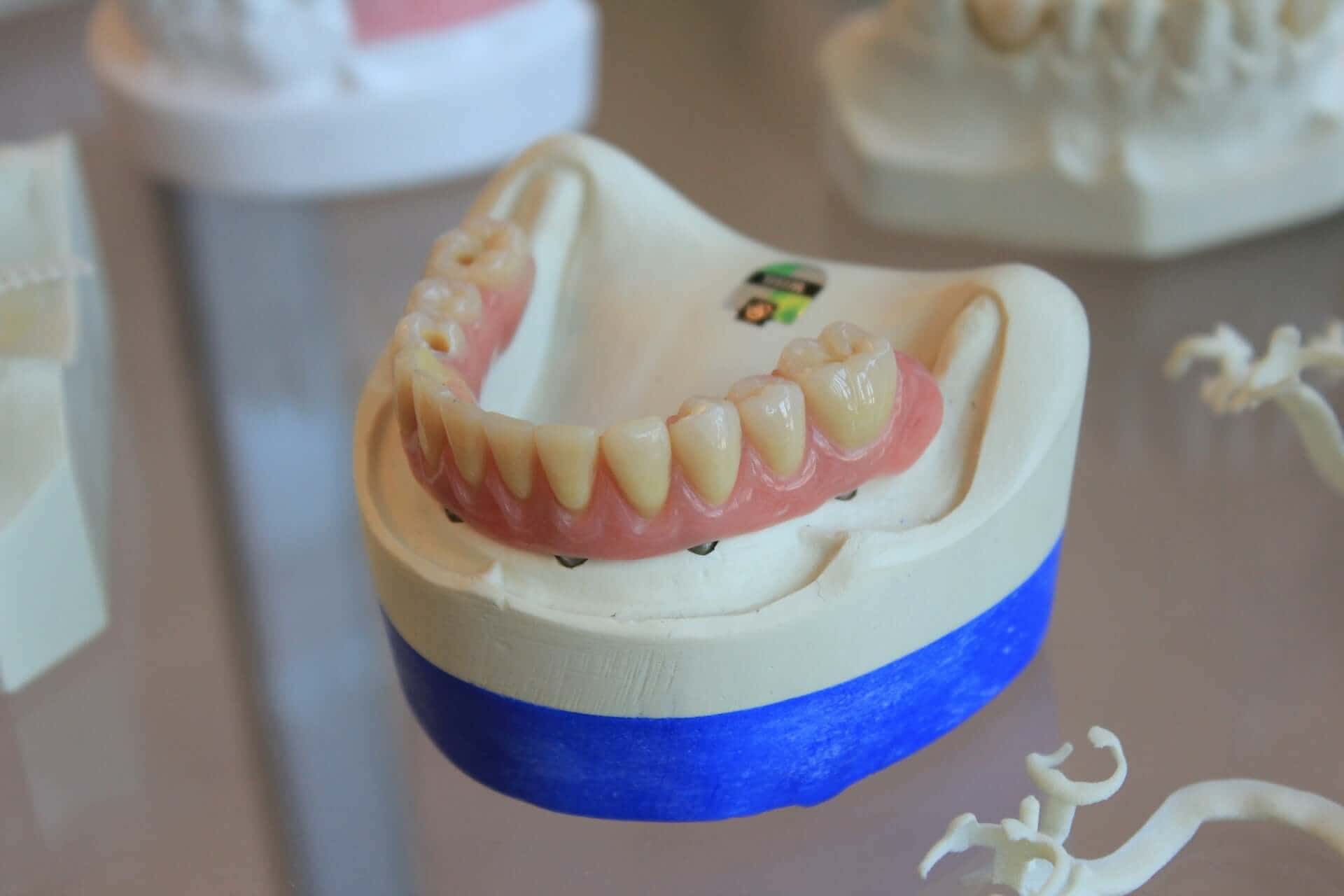
A bridge replaces a missing tooth by anchoring to adjacent teeth, which requires permanently reshaping those healthy neighbors. An implant replaces the tooth root directly in the jawbone, preserving bone density and leaving adjacent teeth untouched. Implants typically cost more upfront but offer better long-term bone health and do not depend on surrounding tooth structure for support.
What factors most affect the total cost of getting a crown or a bridge?
The number of teeth involved is the biggest cost factor, since a bridge covering three units costs more than a single crown. Material choice also affects price, with all-porcelain restorations typically costing more than metal or porcelain-fused-to-metal options. Additional treatments, such as deep cleaning, root canal therapy, or gum treatment, before the restoration also add to the total.
What are the different types of dental crowns, and how do their costs differ?
The main crown types are all-porcelain or all-ceramic, porcelain-fused-to-metal, and full metal, including gold alloys. All-porcelain crowns tend to cost the most and offer the best natural appearance. Porcelain-fused-to-metal crowns balance durability and aesthetics at a mid-range price. Full metal crowns are often the least expensive and the most durable, but they are the most visible and are typically used only on back teeth.
What kind of before-and-after results can I expect with crowns or bridges?
A crown restores a damaged tooth to its natural shape and allows you to chew comfortably without sensitivity or pain from the restored tooth. A bridge eliminates a visible gap, prevents neighboring teeth from shifting, and restores normal bite function. Both restorations are custom-made to match surrounding teeth in color and shape, so the result looks natural rather than obviously dental.
Crown Or Bridge: Choosing The Best Option For Your Needs
Choosing between a crown and a bridge comes down to one clinical fact: a crown saves a tooth that is still there, and a bridge replaces one that is not. Once you know which situation you are in, the decision becomes much easier to talk through with your dentist.
The details that follow, including materials, gum health, adjacent tooth condition, and cost, all matter. But they are manageable details, not reasons to delay care.
Dentist of Torrance uses modern technology and affordable payment options and financing in Torrance to help patients move forward with restorative care without stress or confusion. Call (310) 651-7660 today to schedule your appointment and find out exactly which option fits your smile.